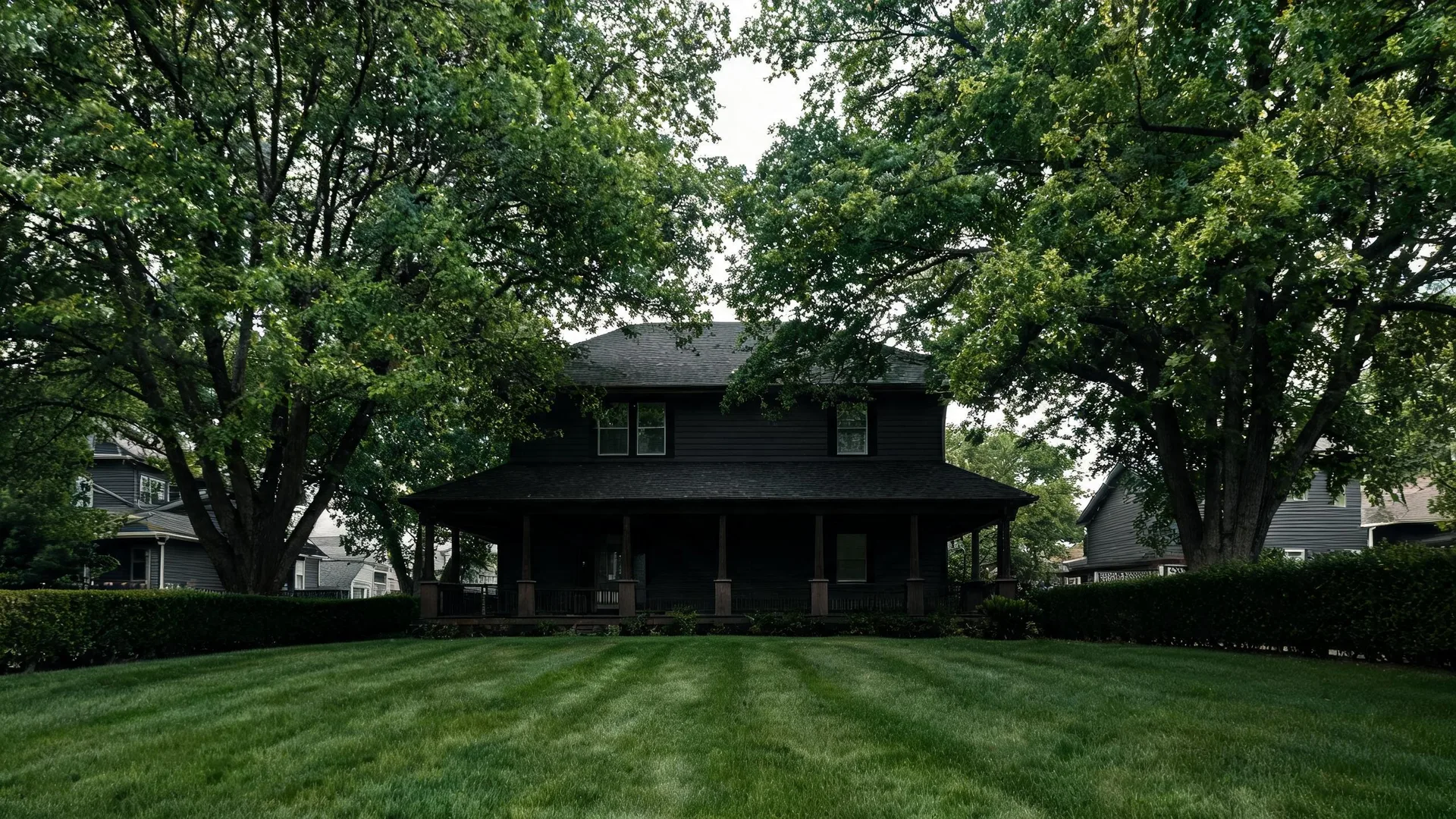





A dark two-story house with a wide covered front porch, framed by large leafy trees, behind a trimmed hedge and a striped mowed lawn.

Heat Pump Repair in Tipton, IA

Tell us about the job

Takes about a minute. No obligation.

RepairHeat PumpCedar County, IA
Step 1 of 2

What ZIP code is the job in?

A heat pump here works through two different starts, heat in October and cooling back in June. Most breakdowns show up right at one of those starts, not in the middle of the stretch. The part was already weak, and the first real demand on it is what finishes it off. September is worth a check for that reason, before the system switches over to eight months of heat. If yours is acting up right now, at the start of a season, that alone tells a contractor where to look first.

8 months
October through May, your system heats
3 months
June through August, it cools
16°F
the average winter night it heats against
82°F
the average summer afternoon it cools against
Isometric cutaway illustration of a single-story house showing interior rooms with furniture, an attic duct network connected to a furnace or air handler, and an outdoor condenser unit linked by lines outside the wall.
Your system heats October through May and cools June through August.

NOAA nClimDiv, 1991–2020 normals

Cedar County sees its share of hail, wind and winter storms, same as the rest of eastern Iowa.

None of that is what's wrong with your heat pump. Something inside it gave out, and that's what a contractor needs to find.

Cedar County weather isn't why your heat pump quit

149 severe weather events from 2015 to 2024
15% of homes statewide lost power a day or more in 2024
63 damaging wind events from 2015 to 2024

There's nothing about running a heat pump in Tipton that pushes it harder than running one anywhere else in eastern Iowa. It heats when it's cold and cools when it's hot, same as the next county over. Electricity here runs 13.40 cents per kilowatthour. That's just the cost of running it, not a reason it breaks. When a heat pump in Tipton stops working, it's almost always one part that failed on its own. A contactor stuck closed. A capacitor gone weak. A reversing valve that won't shift. A contractor who knows to check those first will usually find the answer fast.

Half the homes in Cedar County are old enough to be on a second heat pump

Half the houses in Cedar County were built in 1965 or earlier. A heat pump that came with a house like that has had a long time to wear down, and the part that just failed may be a sign there's not much life left in the rest of it. Worth asking a contractor to size that up before you spend on a repair.

Find a contractor
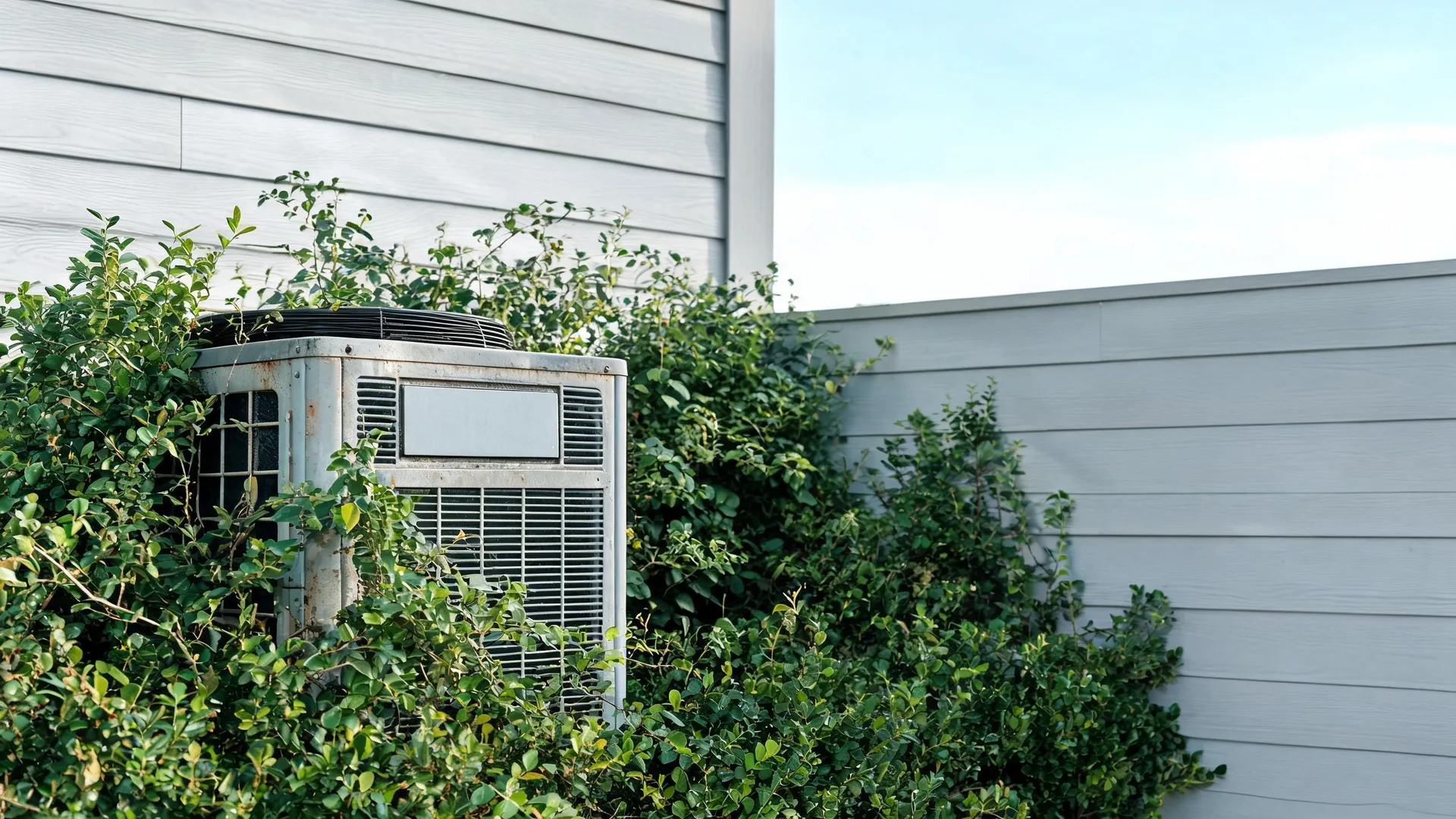
A gray heat pump condenser unit mounted on a concrete pad against the gray lap-siding exterior wall of a house.

Ask before the part gets replaced

If the unit outside is the one that came with the house, ask the contractor doing the repair how much life is left in it. They can look at the compressor and the rest of the system while they're already there and tell you whether this repair is worth making. That's a different question than what's broken right now, and it's worth asking before the part gets replaced, not after.

What you'll actually notice first

Heat pumps rarely quit all at once. More often one room stops getting warm or cool while the rest of the house is fine, or the outdoor unit runs constantly without catching up. Short cycling is another common sign, the system kicking on and off in quick bursts instead of running a full cycle. Air that feels barely warm coming out of the vents in heating mode usually means the system has quietly switched over to backup heat, which means the heat pump itself has stopped doing the work.
What those signs point to

Warm air that never gets hot enough often traces back to the reversing valve, the part that switches the system between heating and cooling. Short cycling usually means a failing capacitor or a thermostat sensor sending bad readings. Ice on the outdoor coil when the weather doesn't call for it points to a refrigerant problem or a defrost control that's stopped working. Telling a contractor exactly what's happening, and when it started, gets them to the right part faster.

A heat pump that's struggling still tries to meet the thermostat setting, and that's what causes the damage. A failing capacitor makes the compressor work harder to start each cycle, and every hard start wears it down a little more until it seizes. A low refrigerant charge makes the compressor run hot, and running hot breaks down the oil that's supposed to protect it. Ice on the coil blocks airflow, so the system pulls in less heat and runs longer trying to make up for it, which only builds more ice. None of these fix themselves by waiting. The longer the system runs in that state, the more parts end up involved in the repair.

A diagnostic visit starts outside, at the unit itself. A contractor checks the readings at the compressor, the capacitor and the refrigerant charge before touching anything inside the house. That tells them whether the system is starting correctly, running at the right pressures, and shutting off the way it should. Next comes the reversing valve, since a valve that's stuck or slow to shift explains a lot of heating complaints that otherwise look like something else. Inside, they'll check the thermostat signal and the airflow across the indoor coil, because weak airflow can mimic a refrigerant problem without being one. Most of this gets sorted out by testing one part at a time until the readings stop matching what a healthy system should do.