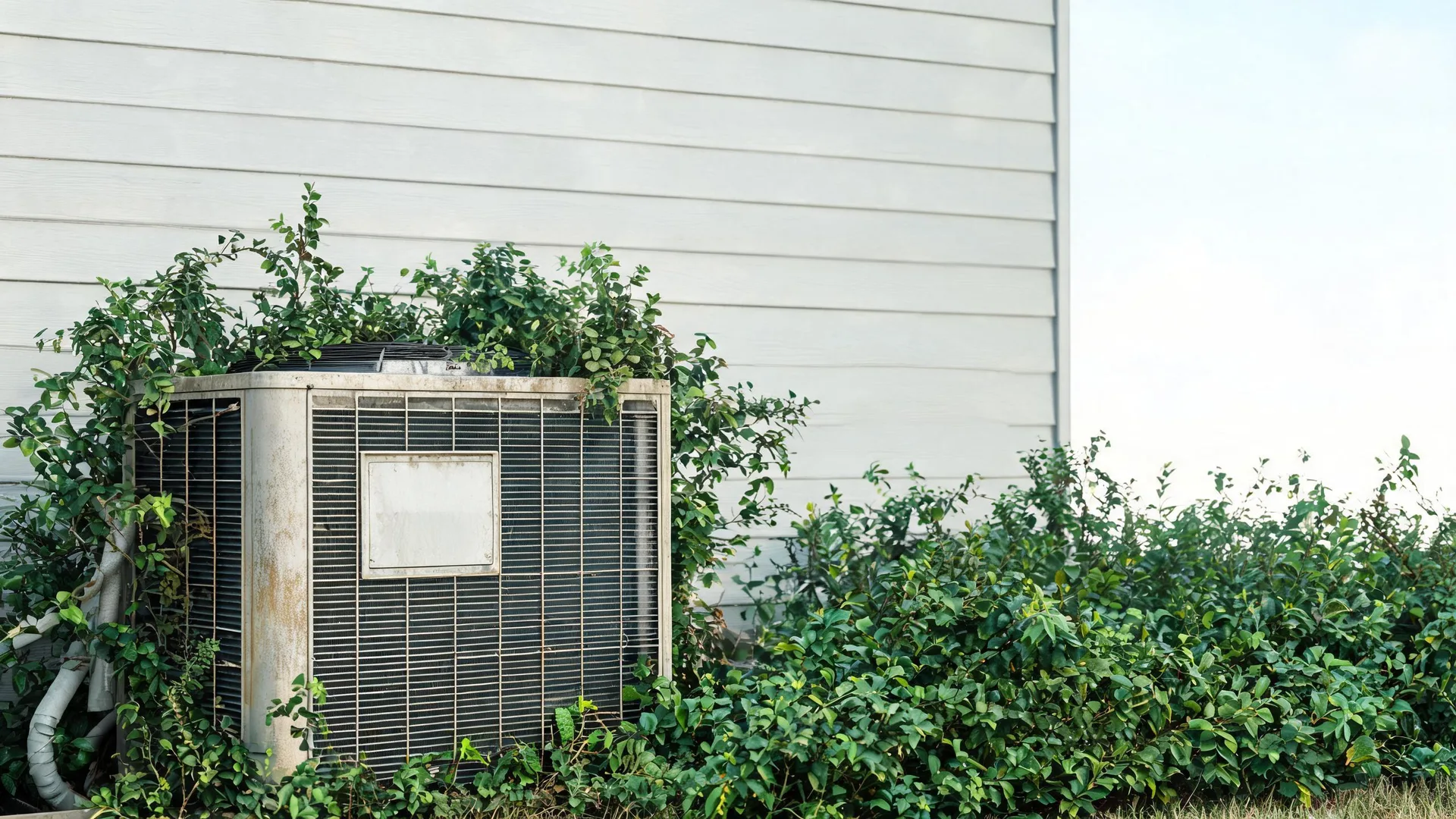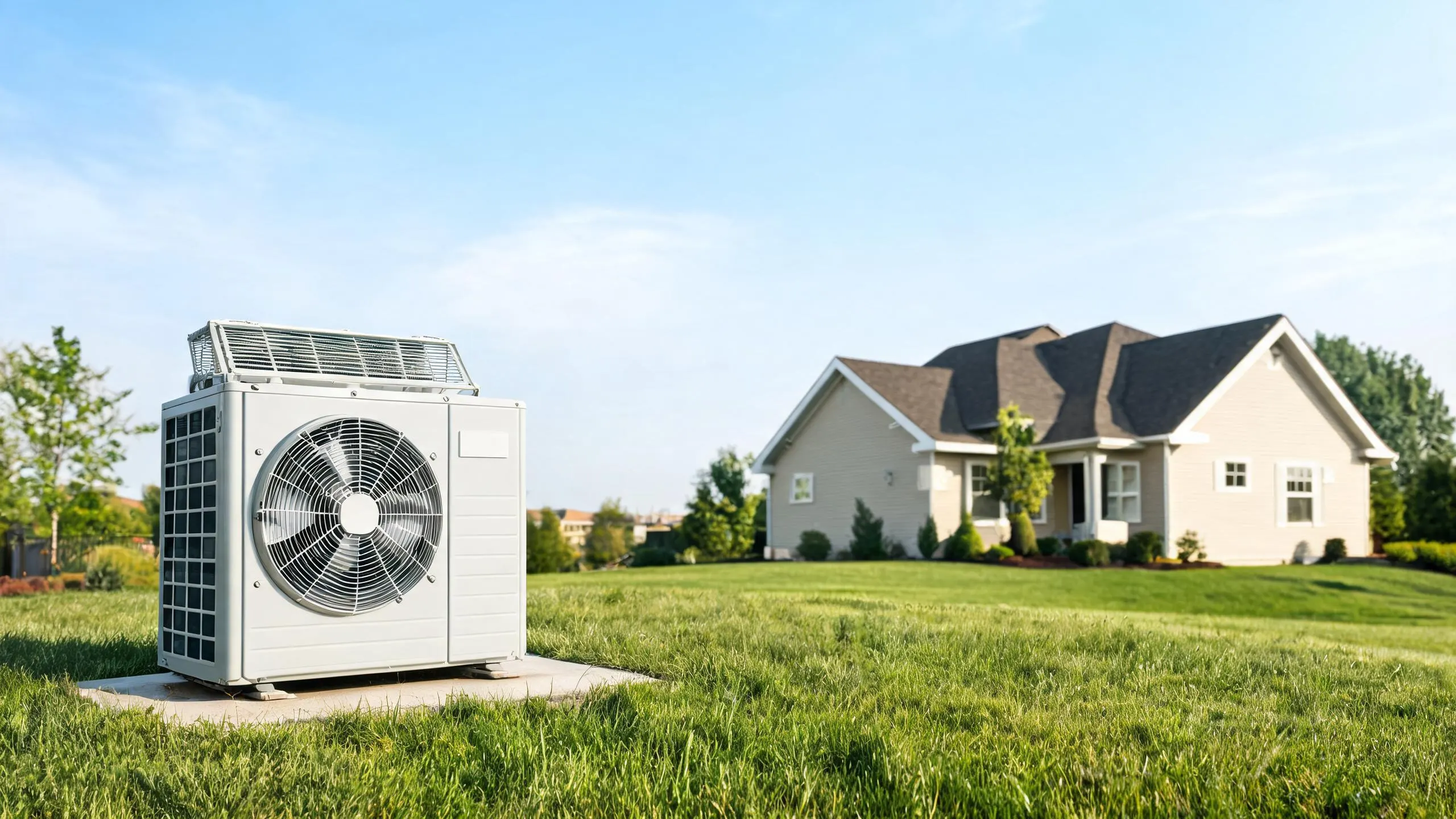
An outdoor air conditioning condenser unit mounted on a concrete pad in front of a single-story suburban house.

Heat Pump Repair in Waukee, IA

Tell us about the job

Takes about a minute. No obligation.

RepairHeat PumpDallas County, IA
Step 1 of 2

What ZIP code is the job in?

Winters here ask a lot of a heat pump

Waukee sees overnight lows averaging 15°F through December, January and February, and heating is the bigger job for a system here, not cooling. That's normal demand for this climate zone, not a sign your equipment is overmatched.


So the cause is usually ordinary

When a heat pump struggles in a winter like this one, it's almost always a known failure, a stuck reversing valve, a low charge, a frozen coil that isn't defrosting on schedule, not something particular to this county. Finding which one it is points straight to the fix.

8 months
October through May, your system heats
3 months
June through August, it cools
15°F
the average winter night it heats against
83°F
the average summer afternoon it cools against
Isometric line illustration of a cutaway house showing interior rooms with furniture, a furnace or air handler with overhead ductwork, and an outdoor condenser unit connected by lines outside the wall.
Your system heats October through May and cools June through August.

NOAA nClimDiv, 1991–2020 normals

Heat pumps here start their heating run in October, after a September where they barely switch on.

The first cold snap is when a weak capacitor or low charge finally gets found out.

Wind, hail and power costs here are just Iowa normal

Power costs 13.4 cents a kWh statewide
96 damaging wind events from 2015 to 2024
54 hail events from 2015 to 2024

Half the homes in Dallas County were built in 2006 or later. If that's your house, the heat pump likely came with it, or close to it, so it hasn't had decades to wear down a contactor or a reversing valve. A system that age failing is usually one part giving out, not the whole unit reaching the end of its life. That makes repair the more likely answer here than it would be in a county full of older housing stock.

This county isn't hard on your heat pump. Something specific just needs a look.

Dallas County sees its share of wind, hail and the occasional tornado, same as most of this part of Iowa. None of that singles out your heat pump. When one quits in the cold, it's almost always a stuck reversing valve, a low charge or a frozen coil that's not defrosting right. A contractor can check which one it is and get it fixed.

Find a contractor
A man in a dark long-sleeve shirt and tan work pants carries a waxed canvas tool bag up concrete steps toward a blue front door of a gray-sided house, with potted shrubs nearby.
A gray heat pump outdoor unit mounted on a concrete pad next to a residential house with lap siding and stone accents.

It hasn't had time to wear out

A heat pump that's run since 2006 or later has still only seen a couple decades of winters at most, many far fewer. The compressor and reversing valve are built to outlast that. So when one quits, the likely story is a single part giving out, not the system reaching the end of its working life. Ask whoever comes out how old the unit actually is. That answer, more than anything else, tells you whether you're looking at a repair or something bigger.

A frozen coil only gets worse

Once frost builds up on the outdoor coil, it blocks the airflow the system needs to pull in heat. The heat pump keeps running but moves less heat for the same effort, and leans harder on backup heat to make up the difference. Left alone, the ice keeps building until the coil is solid and the system can't get heat out of the air at all.

A low charge wears on the compressor

Refrigerant doesn't get used up. If the level is low, it's leaking out somewhere, and every hour the compressor runs short on charge, it runs hotter than it's built to. A compressor that keeps running that way wears down faster than one that's caught and recharged early. The longer it runs low, the more of the system that failure starts to take with it.

Before anyone comes out, there are a few things worth checking yourself. Look at the outdoor unit. If the coil is caked in ice or snow is packed around the base, clear what you can reach and see if it melts off during the next defrost cycle. Check the thermostat is actually set to heat and the temperature is set above room temperature, not just holding. Go inside and check the air filter. A filter clogged with dust chokes off airflow and can make a heat pump look like it's failing when it's just starving for air. Check that the indoor vents are open and nothing is blocking them. Last, check the breaker for both the indoor and outdoor units. A tripped breaker will shut the whole system down and look exactly like a failed part.

A diagnostic visit starts at the outdoor unit. The tech checks refrigerant pressure and the temperature split between the air going in and the air coming out, since that shows how much heat the system is actually moving. They check the reversing valve, the part that switches the system between heating and cooling, since a stuck valve can leave a heat pump blowing cold air in the middle of winter. They watch the defrost cycle, whether the coil clears itself on schedule or keeps icing back up. Then come the electrical checks, the contactor, the capacitor, the wiring running to the outdoor unit. Most of this takes less than an hour. By the end of it you should have a straight answer on which part is causing the trouble, not just a guess.