Three lit brick homes on a tree-lined residential street photographed at dusk.

Heat Pump Repair in Spirit Lake, IA

Tell us about the job

Takes about a minute. No obligation.

RepairHeat PumpDickinson County, IA
Step 1 of 2

What ZIP code is the job in?

The outdoor unit takes a beating here

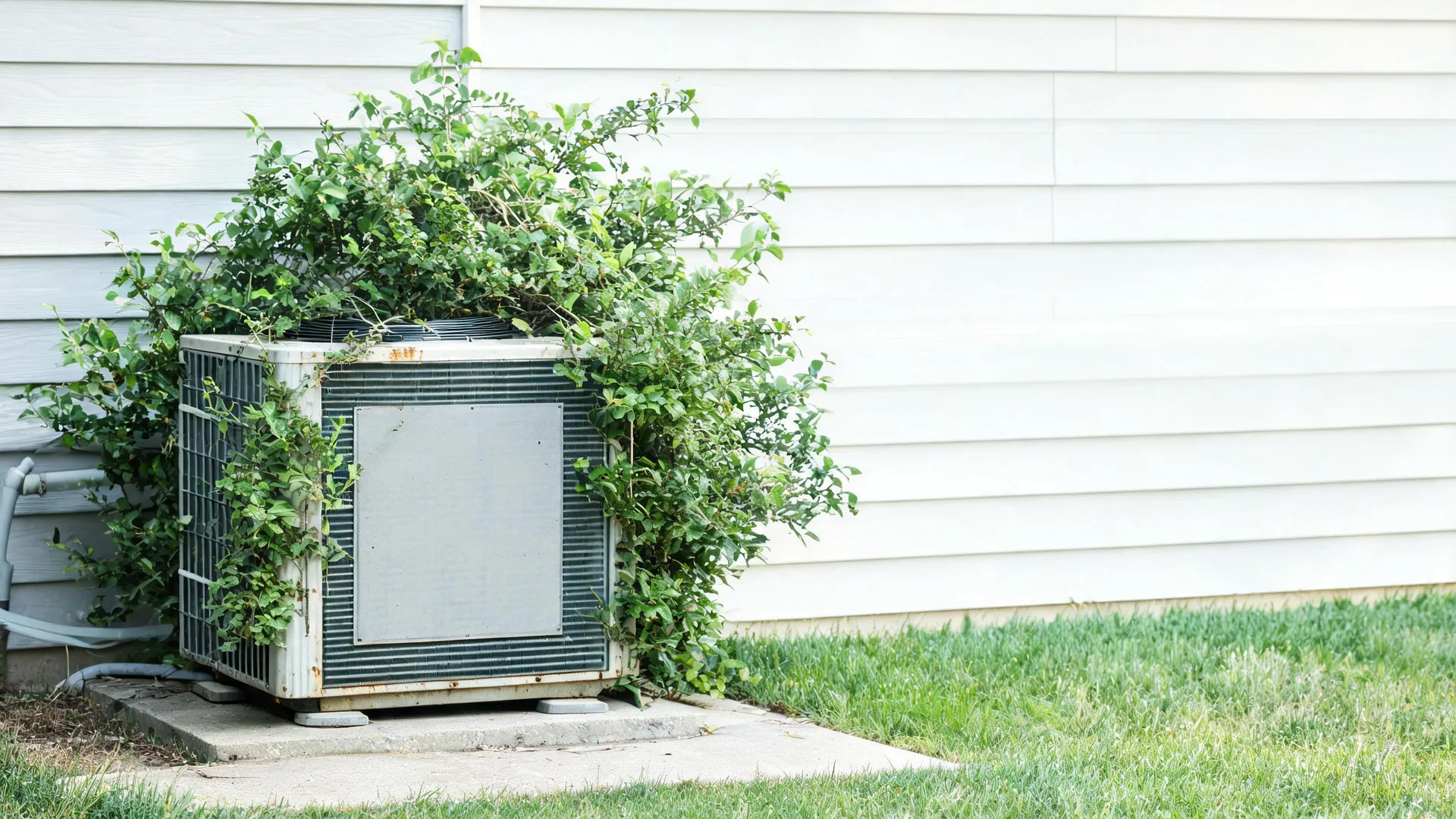
Dickinson County logged 72 damaging wind events and 52 hail events between 2015 and 2024, and 40 winter storms brought heavy snow and ice in that same stretch. The outdoor unit sits through all of it. Wind rocks the cabinet and strains the fan motor. Hail dents the coil fins, which cuts down how well the coil can move heat. Ice buildup forces the system to run defrost cycles more often than it would somewhere milder.

Why that matters for a repair

A heat pump that lives through this kind of weather wears unevenly. The part that failed might not be the only one under stress. A coil that took a hail hit years ago, or a fan motor that has been straining against wind, can give out sooner than it should, even while the rest of the system still looks fine from the outside.

8 months
October through May, your system heats
3 months
June through August, it cools
10°F
the average winter night it heats against
81°F
the average summer afternoon it cools against
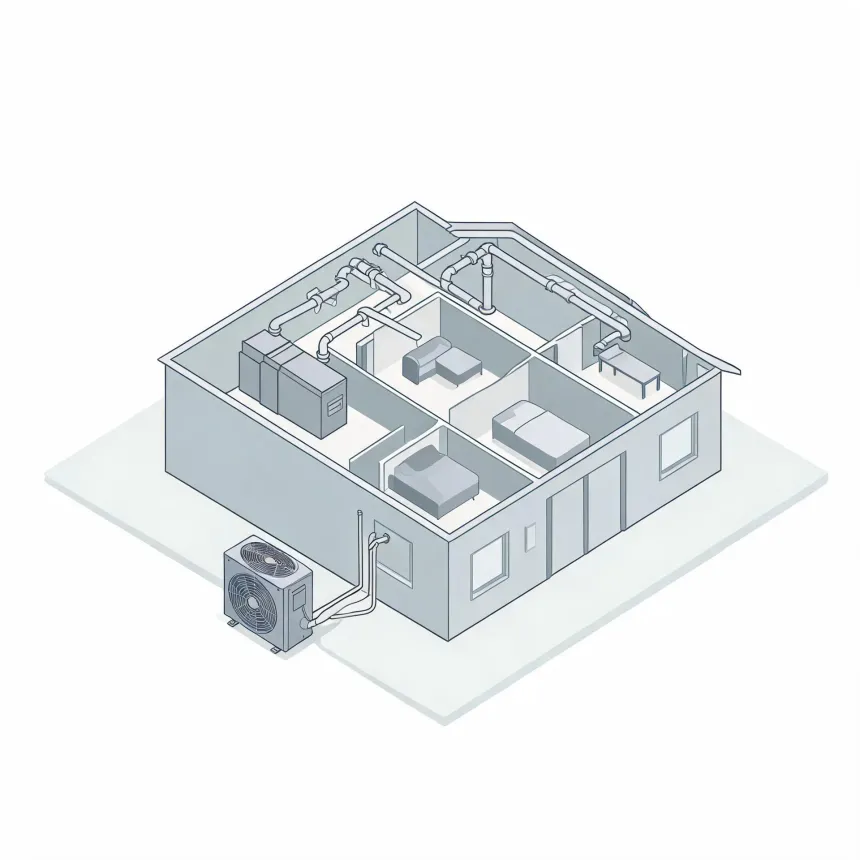
Isometric line illustration of a cutaway single-story house showing interior rooms with beds and furniture, ceiling ductwork connected to an indoor air handler, and an outdoor condenser unit linked by refrigerant lines.
Your system heats October through May and cools June through August.

NOAA nClimDiv, 1991–2020 normals

Heat here starts up in October and runs through May.

A weak part usually waits for that first cold stretch to fail.

Electricity here runs 15.32 cents a kilowatt-hour, and a struggling heat pump burns more of it every day you wait

Power here costs 15.32 cents per kilowatt-hour
72 damaging wind events from 2015 to 2024
52 hail events from 2015 to 2024
A Newer System HereHalf the homes in Dickinson County were built in 1979 or later, so a lot of these heat pumps still have years of work left in them.

A heat pump that's short cycling or running constantly is pulling power the whole time it does it. You don't get a warning before that shows up on the bill, you just get the bill. Waiting a few weeks to get someone out means a few more weeks of paying for a system that isn't heating or cooling the way it should. If the thermostat won't hold a temperature, or the outdoor unit is running nonstop, that's worth a call now rather than after the next statement comes.

Have the real cause found, not just the symptom

Whatever failed, the weather here probably played a part in it. A proper diagnosis checks the coil and fan motor along with whatever part quit, so the fix holds instead of calling someone back out in a month.

Find a contractor
A man in a gray shirt and tan pants carries a worn canvas tool bag up porch steps toward a dark blue paneled front door, with a potted shrub beside the entry.
A dark gray heat pump unit mounted on a concrete pad next to a house with gray siding and a stone veneer wall.

Worth Fixing

If the heat pump came with a house built in 1979 or later, there's a good chance it still has years of work left in it. That makes repair the better bet most of the time, since fixing what broke now usually costs less than replacing a system that wasn't done yet. The unit's nameplate will show its actual age, worth checking before deciding either way.

What you can check yourself

Look at the thermostat first. Make sure it's set to heat or cool as needed and the temperature is actually set past room temperature. Check the air filter and swap it if it's gray or clogged, a blocked filter starves the system of airflow and can shut it down entirely. Walk outside and look at the unit itself. Clear away leaves, grass clippings or snow piled against the cabinet, it needs open airflow on all sides to work. If you see thick ice coating the coil rather than light frost, that's worth noting for whoever comes out, but don't try to chip it off yourself.

When to stop and call

If the breaker has tripped more than once, leave it off and call. Resetting it again risks damage to the compressor. If you smell burning or hear grinding, screeching or a loud clicking that keeps repeating, turn the system off at the thermostat and get someone out rather than running it to see what happens. A system that's frozen solid, leaking water where it shouldn't, or blowing air that never changes temperature no matter how you adjust the thermostat has a problem past what a filter change or a clear cabinet will fix.

A heat pump usually tells on itself before it quits outright. Air coming from the vents that's lukewarm instead of warm often means the system is running but struggling, maybe a refrigerant leak, maybe a failing compressor. Short cycling, where it kicks on and off in quick bursts instead of running a full cycle, puts extra wear on the compressor every time it restarts. Ice on the outdoor coil that doesn't clear during a normal defrost cycle points to a defrost control board or a stuck reversing valve. A hissing or bubbling sound near the lines usually means refrigerant escaping, and the system can't heat or cool right without the full charge. None of these get better by running the system longer. They get more expensive.

A diagnostic visit starts before the panels come off. The tech asks what the system is doing, when it started, whether it's one room or the whole house. Then readings: pressures on the refrigerant lines, voltage and amp draw on the compressor and fan motor, temperature split between the air going in and the air coming out. Those numbers point to a system that's low on charge, a compressor pulling too much current, or airflow that's restricted somewhere in the duct run. The outdoor coil and fan get a visual check too, since bent fins or a motor that's working too hard often explain a problem that looks electrical at first. Once the cause is confirmed, the tech can say what it takes to fix it and what it costs, instead of guessing from a single symptom.