This county sees real storms
Polk County logged 405 severe weather events between 2015 and 2024. That includes 191 damaging wind events, 162 hail events, and 17 tornadoes touching down.
Takes about a minute. No obligation.
Polk County logged 405 severe weather events between 2015 and 2024. That includes 191 damaging wind events, 162 hail events, and 17 tornadoes touching down.
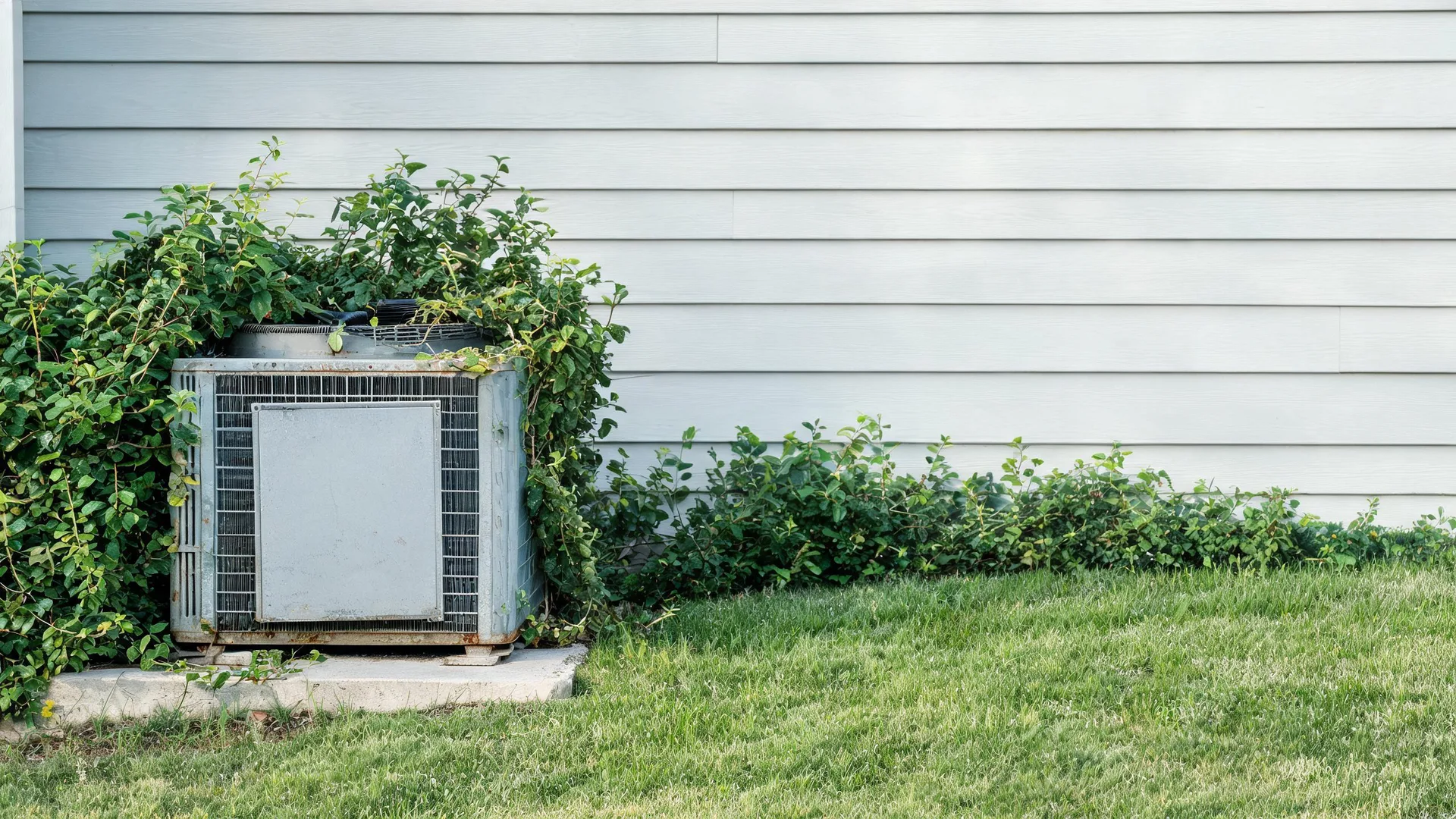
The outdoor unit has no cover from hail or wind-blown debris. A hit that dents the cabinet or bends the fins can hurt how the heat pump runs even when it still turns on.

NOAA nClimDiv, 1991–2020 normals
Polk County asks a heat pump to heat all winter and cool through summers with a dew point averaging 63°F.
That kind of year-round load wears down parts sooner than in milder places.




When a storm has gone through, don't just check whether the heat pump turns on. Hail and wind-blown debris can bend the fins or dent the cabinet without knocking the unit out, and it'll keep running, just worse. If yours has been through wind or hail this year and you've noticed weaker heating or cooling since, that's worth mentioning when you call someone out. A tech can check the coil and fins for damage you won't see from across the yard. Catching it now costs less than waiting for the part it's straining to fail.
If your outdoor unit has taken hail or wind this year, get it looked at even if it still heats and cools. Bent fins and a dented cabinet don't always stop a heat pump, they just make it work harder than it should.
Find a contractorIf your heat pump came with the house, and the house went up in 1982 or later, there's a decent chance it's not as old as a repair bill might make you fear. That matters when a tech is laying out your options. A unit with years of life left is usually worth fixing rather than replacing, especially if this is the first real trouble it's given you. Check the model and serial number on the unit itself before you call, or check whatever paperwork came with the house. Knowing roughly when it was installed, or that it's original to the house, saves a step once someone's out there looking at it.
A heat pump low on refrigerant or pulling bad electrical current will still run if you let it. The compressor just works harder to do the same job. Heat builds up inside it that the system can't carry away fast enough, and that heat breaks down the oil that's supposed to keep its internal parts moving freely. A compressor rarely fails all at once from this. It fails because it ran stressed for too long.
Frost on the outdoor coil is normal in defrost cycles, but a coil that stays frosted points to something wrong, like weak airflow or a low charge. Keep running it and the ice thickens and spreads, blocking airflow across the coil even more. Less airflow means the system works harder to move the same heat, which feeds back into more ice. By the time the coil is solid, you're not looking at the original problem anymore, you're looking at that plus whatever running iced-up did to the compressor.
Most heat pump failures start small and get ignored. A capacitor weakens and the compressor or fan motor starts pulling harder to kick on, until one day it doesn't. A contactor pits from years of arcing and starts sticking or failing to close. Refrigerant leaks out slowly through a rubbed line or a bad fitting, and the system keeps running on less than it needs, which strains the compressor long before anyone notices weak heating or cooling. The reversing valve, the part that switches the unit between heating and cooling, can stick from age or debris and leave you stuck in one mode. Dirty coils and clogged filters cause more failures than any single part breaking, because they make everything downstream work harder than it was built to.
A diagnostic visit starts outside, at the unit itself. A tech checks the refrigerant charge, tests the capacitor and contactor, and watches how the compressor draws current under load. Inside, they'll check airflow across the coil and look at the filter, since weak airflow shows up everywhere else as a symptom even when it's not the real problem. They'll run the system in both modes if it's a heat pump, because a reversing valve that's starting to stick might only show up when it's asked to switch. Gauges and a multimeter tell them more in ten minutes than the thermostat tells you in a week. What they're after isn't just what's broken, it's why, so the same failure doesn't happen again next season.