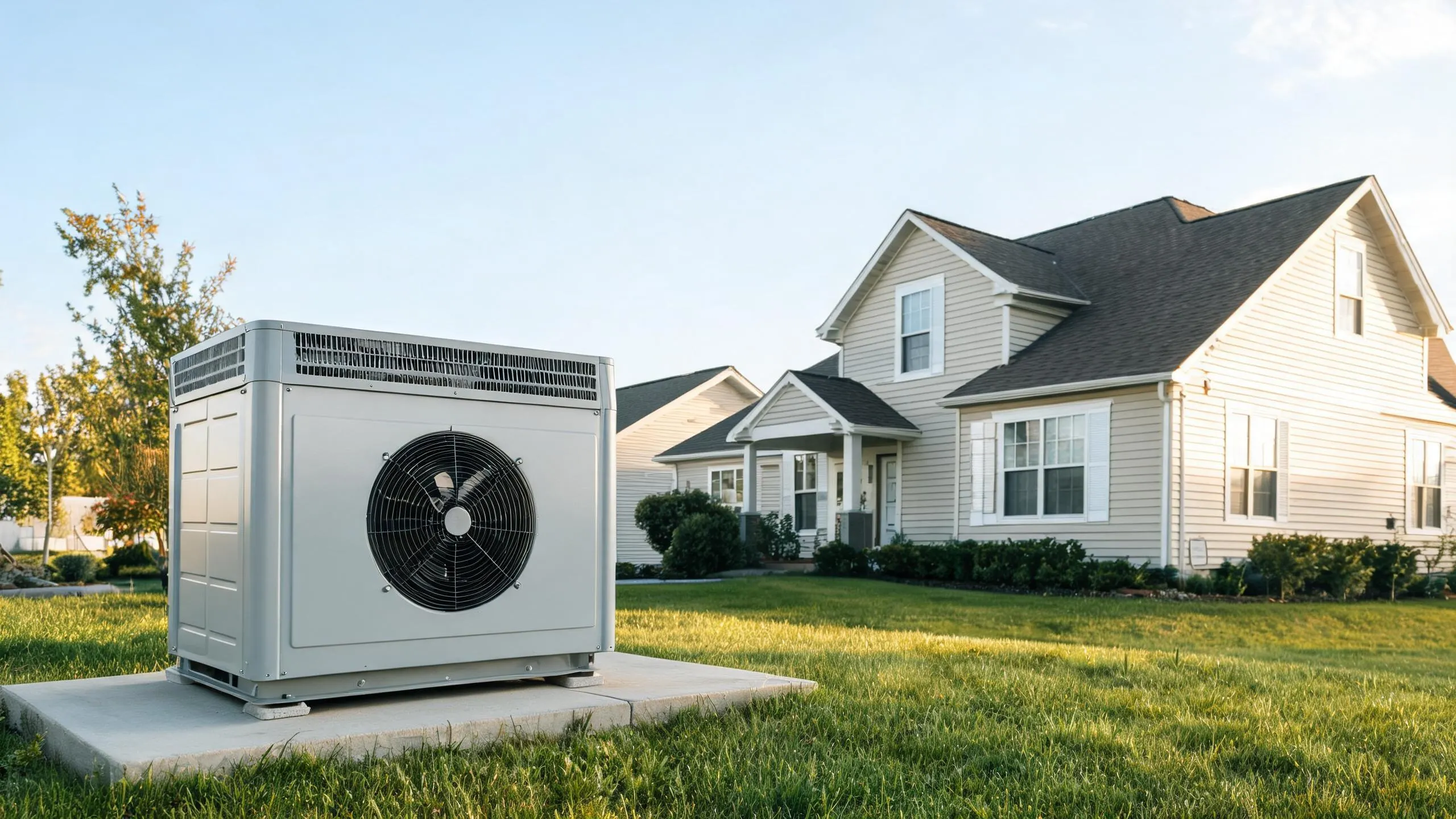




An outdoor heat pump unit mounted on a concrete pad in the front yard of a gray suburban house.

Heat Pump Repair in Oelwein, IA

Tell us about the job

Takes about a minute. No obligation.

RepairHeat PumpFayette County, IA
Step 1 of 2

What ZIP code is the job in?

Heat pump here works eight months of heat, October through May, then three months of cooling right behind it. September is the month before heat starts, and that first cold snap is when a weak part tends to show itself. If the reversing valve or the defrost control was already marginal, the switch to heat is what finds it. The problem doesn't wait for a convenient time to show up, so getting it checked as soon as something sounds or feels off gives a contractor the chance to fix it before the cold months depend on it.

8 months
October through May, your system heats
3 months
June through August, it cools
12°F
the average winter night it heats against
80°F
the average summer afternoon it cools against
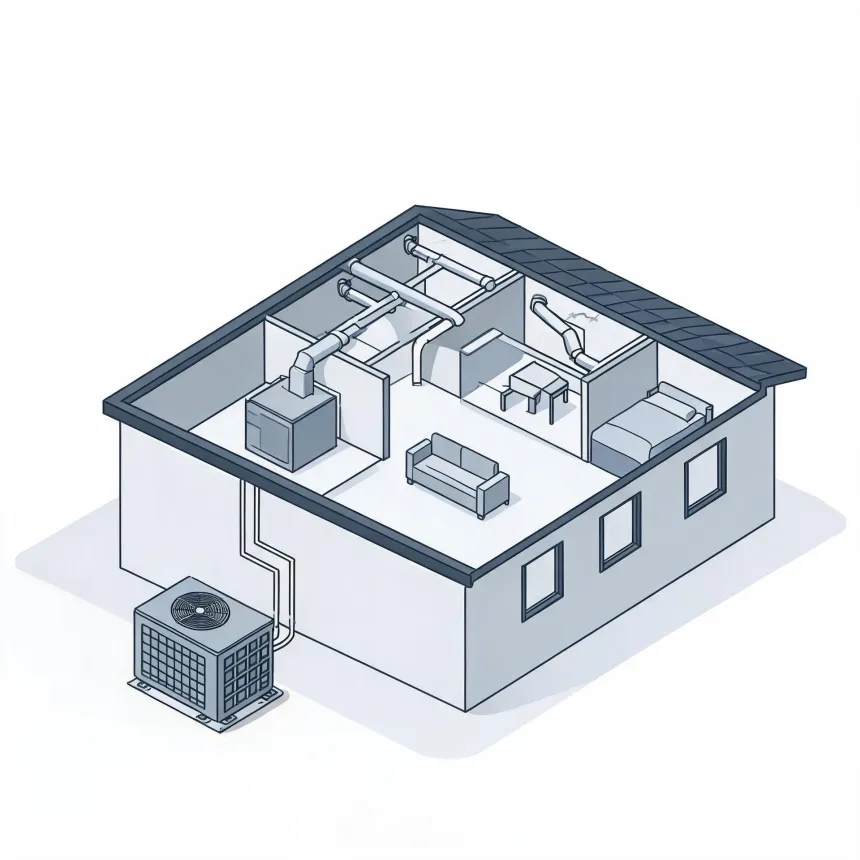
Isometric line illustration of a cutaway single-story house showing interior rooms with ducted air distribution, an indoor air handler, furniture, and an outdoor condenser unit connected by lines outside the wall.
Your system heats October through May and cools June through August.

NOAA nClimDiv, 1991–2020 normals

Winter nights in Fayette County average 12°F, and a heat pump here is built to run through that.

A breakdown is almost always a worn part doing the job it's supposed to, not the cold beating the system.

A heat pump that's struggling costs more to run here before it costs more to fix

Power costs 13.4 cents a kWh statewide
24 hail events from 2015 to 2024
25 winter storms from 2015 to 2024

Half the homes in Fayette County were built in 1954 or earlier. If your heat pump came with a house that old, it's worth asking how old the unit itself is, since it may not be original to the house at all. But if it is, a system running this many years is closer to the end of its working life than the middle. That changes the math on a repair. A part replaced on a unit with years left in it is just a repair. The same part on a unit near the end is a question worth asking first.

Find out how old the unit is before you fix it

Ask a contractor to check the nameplate before any repair goes ahead. It will tell you how old the unit really is, whatever year the house was built. That number is what decides whether this repair makes sense or whether it's time to talk about replacing the unit instead.

Find a contractor
A residential heat pump outdoor unit mounted on a concrete pad next to a house with gray vinyl siding.

The parts that move the most are the parts that wear first

The compressor is the part doing the work in every mode, so it's the one that logs the most hours by far. That alone explains why it's the most common failure point, not because it's overworked but because it's always the part running. The reversing valve wears next, since every switch between heat and cooling asks it to move, and a valve that sticks will often show up first as a system stuck in one mode when it should have changed over. Outside, the defrost board and sensor cycle the unit into defrost whenever frost builds on the coil. A failing sensor can leave the coil icing over, or send the unit into defrost when it doesn't need it. None of this means the system is being pushed past what it's built for. It means the parts that move the most are the parts most likely to be the ones that eventually give out.

Check the air filter first

A clogged filter chokes airflow across the indoor coil, and a heat pump starved for air will ice up, short cycle, or stop heating like it should. Pull it out and hold it up to a light. If you can't see through it, that alone could be the whole problem.
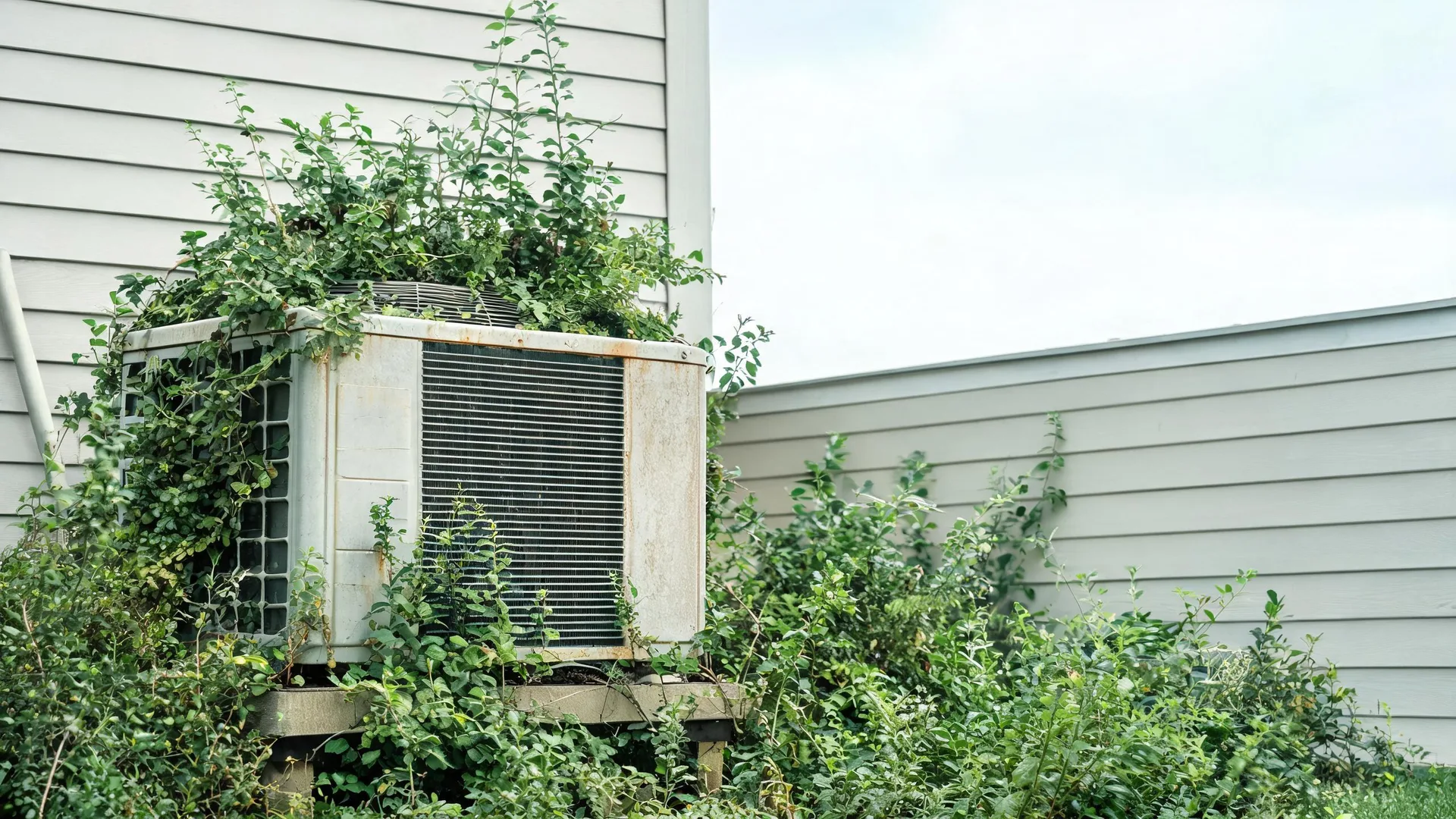
Look at the outdoor unit before you call

Walk outside and look at the coil and the fan. Leaves, grass clippings, or a cover left on will block airflow the same way a dirty filter does. Some frost on the coil in winter is normal, but a thick coat of ice or a solid sheet means the defrost cycle isn't doing its job, and that's worth telling the contractor when they ask what you saw.

A heat pump that needs a repair rarely stays quiet about it. It might run constantly without bringing the house to temperature, or blow air that feels barely different from room air on the heat setting. Short cycling, where it kicks on and off every few minutes, usually points to a sensor or control board rather than the compressor itself. A hissing or bubbling sound near the outdoor unit can mean a refrigerant leak, and that's not something that gets better on its own. Ice building up on the outdoor coil and staying there, even after the system should have defrosted, means that cycle isn't working right. A unit that switches on but never changes between heat and cooling when you'd expect it to is often a reversing valve stuck in place.

Not every failure means the unit is done. A capacitor, a contactor, a sensor, or a defrost board are all parts a contractor replaces on a system that still has plenty of life left, and the heat pump runs like new once it's in. What changes the decision is how many of those repairs have already happened, and how far apart they were. A compressor failure is a different conversation, since that part sits at the center of the system and a replacement for it costs more than most of what comes before it. The honest way to decide is to ask what else is likely to fail next, not just what's failing now. A contractor who's looked at the unit can tell you if this repair stands alone or if it's the first of several the system is about to ask for.