





A quiet suburban street at twilight featuring two-story brick homes with illuminated windows and large trees lining the sidewalk.

Heat Pump Repair in Mason City, IA

Tell us about the job

Takes about a minute. No obligation.

RepairHeat PumpCerro Gordo County, IA
Step 1 of 2

What ZIP code is the job in?

Winter here runs long and cold, down to 12 degrees on an average night in January. That is ordinary strain for a heat pump, not damage. If yours is icing up, short cycling, or running the backup heat strip more than it should, the cause is usually a thermostat setting, a dirty filter, low refrigerant, or a defrost control that stopped working right. Mason City gets its share of hail and wind too, so if the outdoor unit took a hit, that is worth a look as well. A contractor can tell you which one it is and fix that part instead of guessing at the rest.

8 months
October through May, your system heats
3 months
June through August, it cools
12°F
the average winter night it heats against
80°F
the average summer afternoon it cools against
Isometric line illustration of a cutaway house showing interior rooms with furniture, ceiling ductwork connected to an indoor air handler, and an outdoor condenser unit linked by refrigerant lines.
Your system heats October through May and cools June through August.

NOAA nClimDiv, 1991–2020 normals

A heat pump that needs a repair every season is telling you something the next repair won't fix.

Once a compressor or reversing valve is going bad, parts and labor start costing more than a new system would.

Half the homes here were built by 1959, old enough that the heat pump is not the original equipment

Half the homes here were built by 1959
76 damaging wind events from 2015 to 2024
54 hail events from 2015 to 2024

Before you fix it, find out how much life is left in it

If your house is one of the older ones here, built in 1959 or before, the heat pump almost certainly isn't the original equipment. That's fine for a repair, but ask the contractor how much life is left in the unit before you pay for a big one.

Find a contractor
A dark gray heat pump unit mounted on a concrete pad next to a house with gray siding and a stone veneer wall.

What actually wears out in a heat pump

Years of cycling wear the same parts on every heat pump. The reversing valve switches the system between heating and cooling, and over time it can stick or leak past its seal so the switch doesn't happen clean. The compressor is the part most people worry about. It rarely just dies of old age. What kills it is usually a long stretch of low refrigerant, or an electrical fault that put a strain on it that shouldn't have been there. The capacitor gives the compressor and fan motors their starting kick, and it weakens with age. When it goes, it usually goes fast rather than gradual. The outdoor fan motor wears down from sitting outside and running in all kinds of weather. The defrost control board tells the system when to reverse and melt ice off the outdoor coil. If that board fails, the unit can stay iced up and end up working against itself. None of this shows up early. A heat pump on its way out usually just runs rougher first, longer cycles, more noise, a harder time keeping the house at temperature.

What you'll notice first

The house feels wrong before anything sounds wrong. One room runs cold while the thermostat says it's satisfied. Air comes out of the vents barely warm, or warm air keeps cutting out while the backup strip kicks in and stays on. Outside, the unit might run constantly without the house catching up, or shut off and on in short bursts instead of settling into a steady cycle.
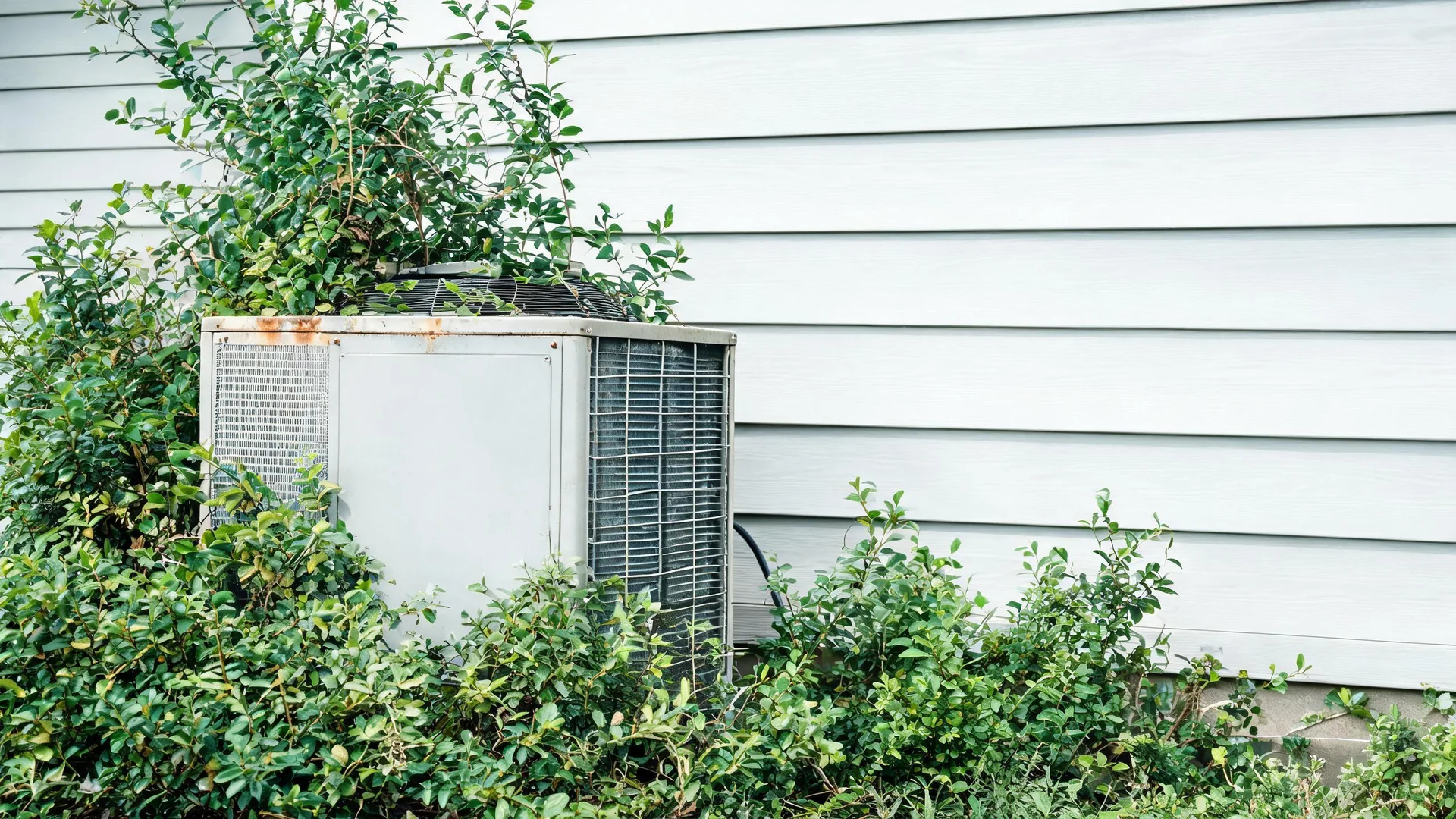
What those signs are worth

A heat pump rarely fails all at once. It works harder for less heat first, and that shows up as noise, longer runtime, or ice that builds on the outdoor coil and does not clear. Catching it at that stage usually means replacing one part. Let it run that way through a stretch of real cold and the strain spreads to the compressor, and then it is not one part anymore.

A heat pump that is icing up or short cycling is not resting between cycles, it is straining through them. The defrost board that is slow to trigger leaves the outdoor coil caked in ice a little longer each run, and the compressor pulls harder to push refrigerant through a coil that cannot shed heat right. Low refrigerant does the same kind of damage. The compressor is built to pump a certain amount of refrigerant, and when there is less than it expects, it runs hotter and wears against itself in a way it was not built for. A weak capacitor is the clearest case. It gives the compressor its starting kick, and a compressor that starts hard and slow, again and again, is taking damage it cannot undo. None of these fix themselves by running longer. They get fixed by shutting the unit off and calling someone, or they get worse until the part they were straining shows up broken too.

A diagnostic visit starts outside at the unit itself, checking the refrigerant charge, the electrical connections, and how the compressor sounds when it kicks on. Inside, the contractor checks the thermostat settings and how the system is actually calling for heat, since a setting changed by accident can look exactly like a failing part. Gauges go on the lines to check pressures, because low refrigerant shows up there before it shows up anywhere else. The defrost control gets checked too, since a board that is slow to trigger will leave ice on the coil even when everything else is working fine. A capacitor gets tested under load, not just looked at, because a weak one can still power the compressor some of the time and pass a quick glance. The point of all this is to find the one part actually causing the trouble, rather than replacing parts until something works.