

What the cold here does to a heat pump
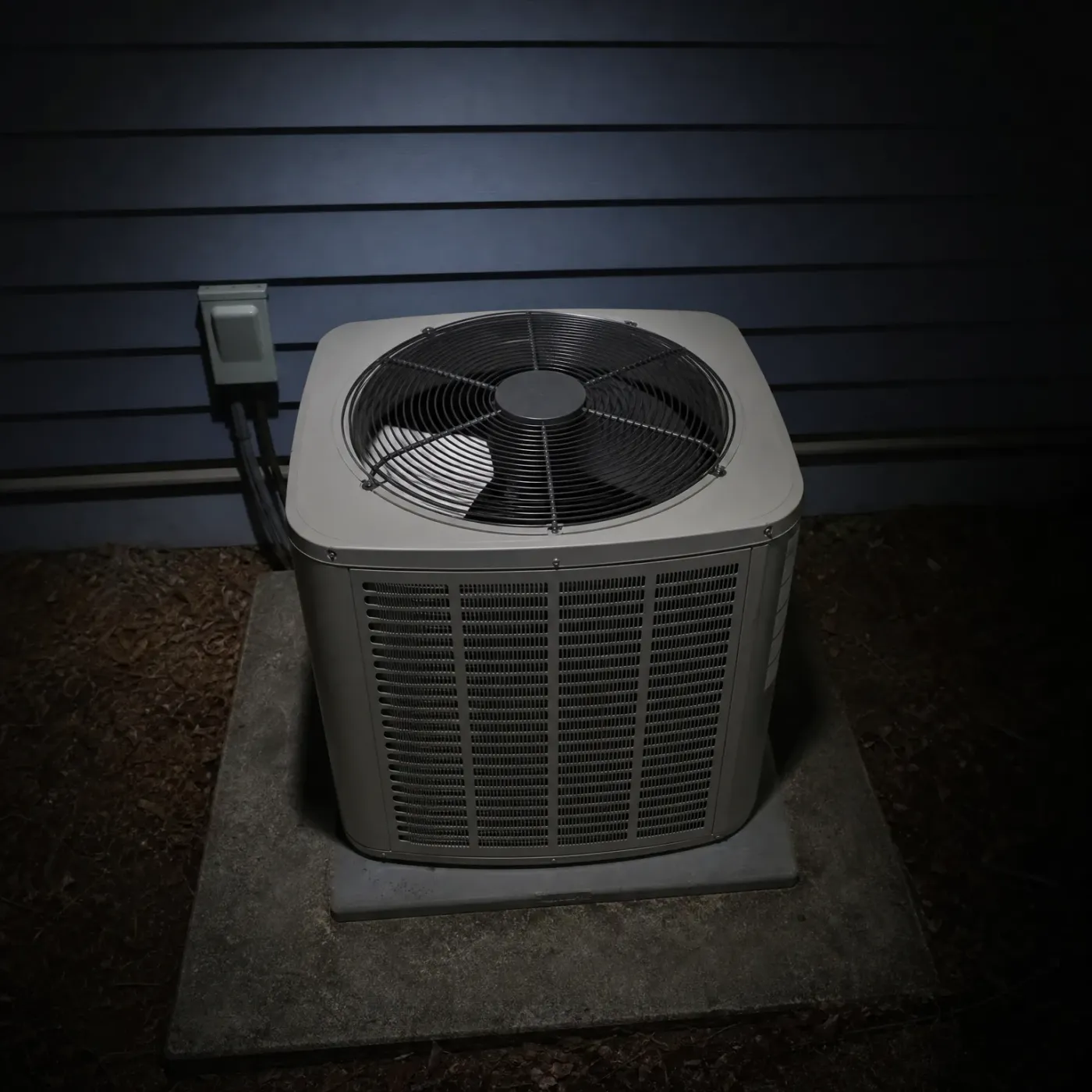
Winneshiek County winters run cold enough, often enough, that a standard heat pump spends most of the heating season working below its comfort zone. The overnight low here averages 11°F across December, January and February. That is well below the 40°F mark where a standard heat pump's output starts falling short of its rating, and below the 35°F mark where it typically needs backup heat to make up the difference.
This is not a handful of bad nights. About 155 nights a year here fall at or below freezing, more than half the roughly 275 nights the heat runs at all. Every one of those nights is below both marks. About 20 nights a year reach 0°F or below, and a standard heat pump at that temperature is putting out only a fraction of what it is rated for.
A heat pump built to the ENERGY STAR Cold Climate spec is a different machine. To earn that label it has to deliver at least 1.75 units of heat per unit of electricity at 5°F and hold onto 70 percent of its 47°F capacity at that temperature, with third-party testing behind the number. Field tests of prototype cold-climate heat pumps found backup heat carried only a small share of the load between 0°F and 35°F, and running on backup alone was rare even above 0°F. So the question for this county is not heat pump or no heat pump, it is standard or cold climate. A standard one will lean hard on backup heat most of the winter here. A cold climate one is built for exactly these temperatures.