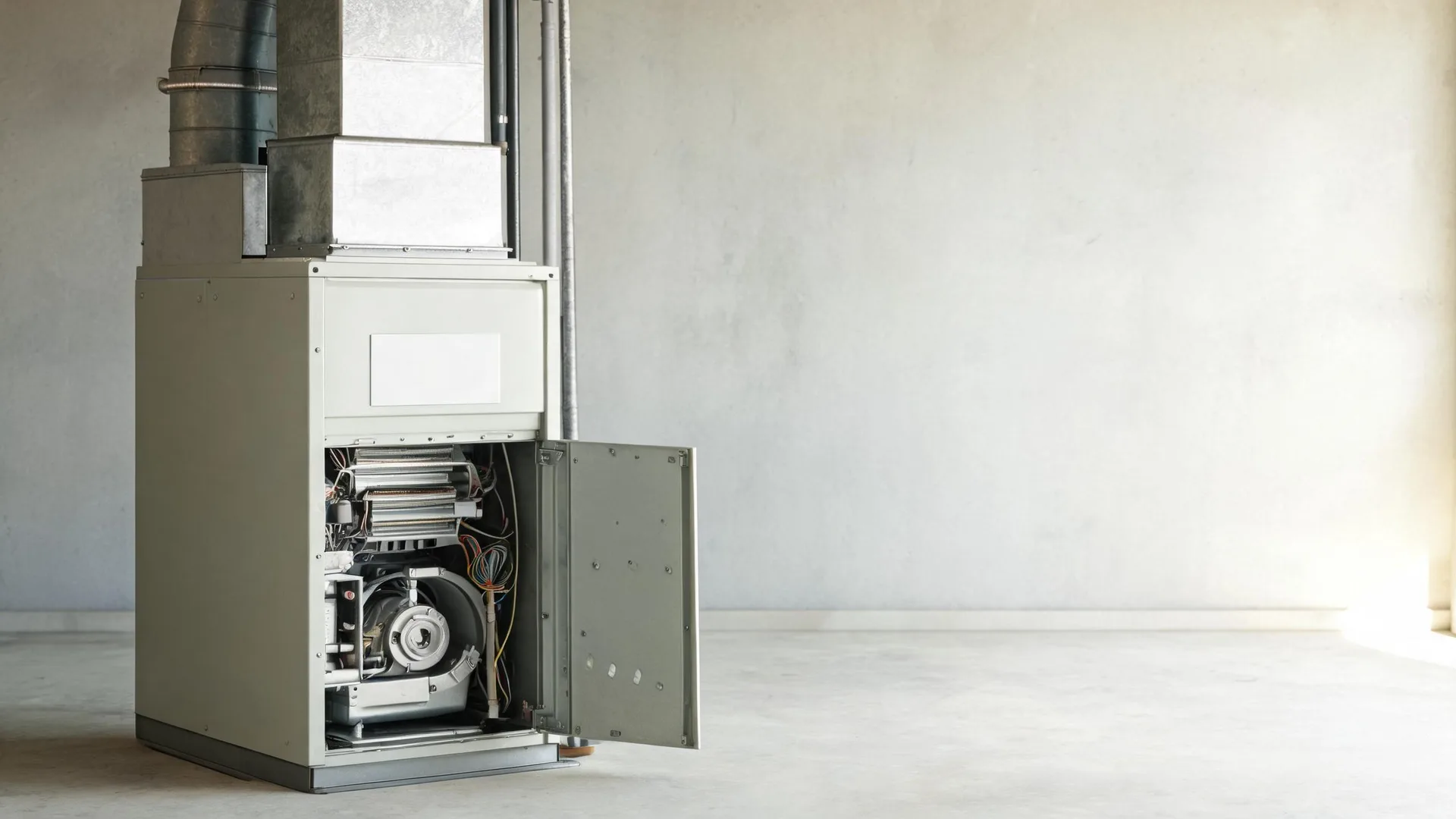
Nine months of heat a year
Furnaces in Decorah run from September through May. Overnight lows average 11°F through December, January and February, so the furnace is working hardest right when it's running the most.
Takes about a minute. No obligation.
Furnaces in Decorah run from September through May. Overnight lows average 11°F through December, January and February, so the furnace is working hardest right when it's running the most.
A furnace with that short an off season doesn't get much time to idle and show a problem early. When something does act up, it's worth having a contractor check more than the obvious part before calling the job done.
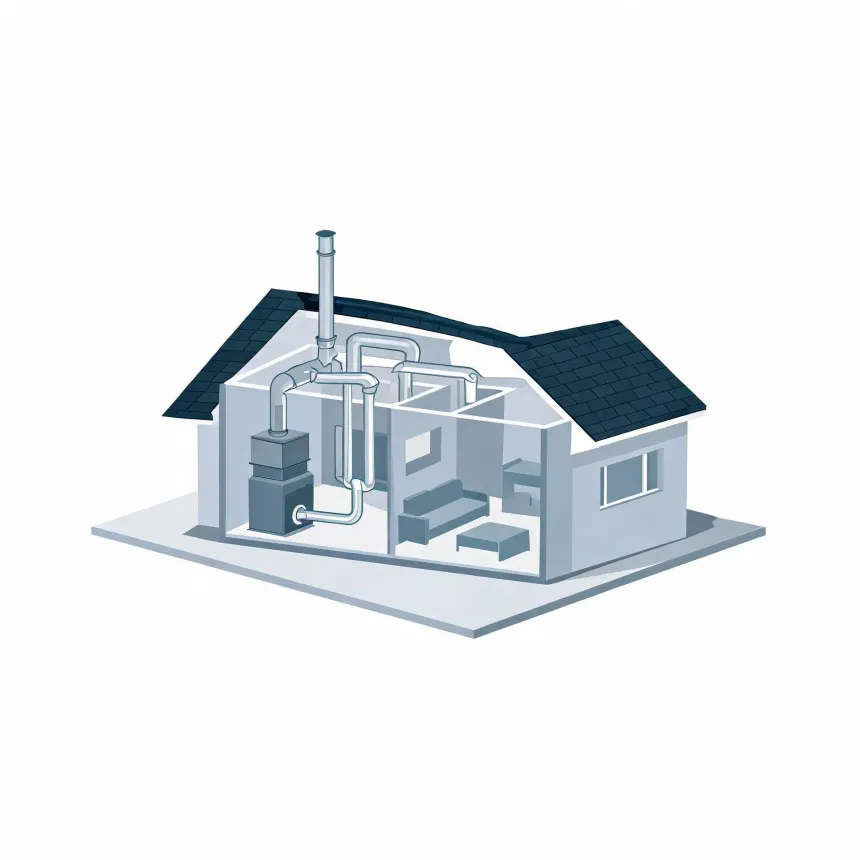
NOAA nClimDiv, 1991–2020 normals
Half the homes in Winneshiek County were built in 1962 or earlier.
A furnace that came with a house that old is worth asking about before you pay for a big repair.
August is the last easy month to get a furnace looked at before it has to work. Once September hits, the furnace is on through May, nine months straight, and whatever was already weak tends to show itself in the first cold snap, not months into the season. If a furnace struggled at the end of last winter, that same spot is still there waiting for load. Getting it checked before September means a contractor can catch it on their own schedule, not during an emergency call with no heat in the house.
Before paying for a big repair, ask the contractor how old the furnace actually is. If it's the original unit, that age matters more than whatever just broke.
Find a contractor
Nine months of run time does not leave much room to wait once trouble starts. If the furnace is short cycling, or the flame looks wrong, or a room upstairs will not come up to temperature, get that looked at now rather than nursing it through December. A contractor who is in there anyway for a repair can check the heat exchanger and the inducer at the same time, since those are the parts this kind of schedule wears hardest.
The igniter and the flame sensor cycle more than anything else in the furnace, so they usually fail before anything bigger does. An igniter gets brittle with age and can crack clean through. A flame sensor coats with residue until it can't sense the flame anymore, and the furnace shuts itself down on purpose, as a safety response, even though nothing else is wrong.
A furnace that won't stay lit isn't necessarily in serious trouble. Replacing a sensor or an igniter is a small, quick job, nothing like swapping a blower motor or a heat exchanger. Those small parts are worth ruling out first, before anyone talks about what else it might be.
Estimates for a typical Winneshiek County home, compared with an older unit built to the previous federal minimum, from EIA household energy data, Iowa fuel prices and NOAA climate normals. Your home will differ.
Repair makes sense when one part has failed and the heat exchanger is sound.
Replacement makes sense when the heat exchanger is cracked or the furnace keeps needing parts.
A diagnostic visit starts with questions, not tools. A tech wants to know what the furnace was doing right before it quit. Did it fail on startup. Did it run a few minutes and shut off. Did it run fine but never heat the house. Each of those points somewhere different. Once the panel is off, a lot of it is reading what the furnace already shows. The flame should burn steady and blue, not yellow or lifting off the burner. The igniter should glow even across its whole length, not just in spots. A meter checks what the eye can't, like whether the flame sensor is actually passing current or a limit switch is sitting open when it should be closed. None of this takes long if the furnace cooperates. It takes longer when the problem only shows up partway through a cycle, which means watching it run instead of just looking at it sitting cold.