




A trimmed hedge borders a mown lawn in front of single-story houses with dark siding and shingled roofs, surrounded by large leafy trees under an overcast sky.

Heat Pump Installation in Waverly, IA

Tell us about the job

Takes about a minute. No obligation.

New system or replacementHeat PumpBremer County, IA
Step 1 of 2

What ZIP code is the job in?

Iowa electricity ran 13.40 cents per kilowatthour in 2024. A heat pump moving heat instead of burning gas or resisting current makes every one of those cents go further, but the gap between a good installation and a mediocre one shows up every month on the bill. The size of the unit matters here, and so does how well it's set up to begin with. A heat pump too big or too small for your house will run longer or cycle more than it should, and at these rates that difference is worth noticing. Ask whoever installs it what sizing they used and why.

8 months
October through May, your system heats
3 months
June through August, it cools
12°F
the average winter night it heats against
81°F
the average summer afternoon it cools against
Isometric cutaway illustration of a single-story house showing interior rooms with furniture, an attic duct system connected to an indoor air handler, and an outdoor condenser unit linked by lines along the exterior wall.
Your system heats October through May and cools June through August.

NOAA nClimDiv, 1991–2020 normals

A heat pump's rating on paper and its performance in your house are not the same thing.

Ask for a load calculation done on your house, not a price based on square footage alone.

Most homes in Bremer County heat with gas, which a heat pump would replace

57.9% of homes heat with gas
26 winter storms from 2015 to 2024
Winter nights average 12°F

Heat runs here from October through May, so September is worth paying attention to. A heat pump installed before the first cold snap gives it time to get commissioned and checked over without anyone rushing. Wait until the first cold morning and you're choosing from whatever crew and whatever unit is available that week. Cooling starts in June here too, and the same system has to handle that side of the year, so getting the installation right once covers both seasons instead of one.

A new heat pump here has to clear a federal efficiency floor

Bremer County falls in zone 5A, a cool, humid climate where heating carries the bigger load. Any split-system heat pump installed here now has to meet federal minimums of 14.3 SEER2 for cooling and 7.5 HSPF2 for heating. That floor narrows what a contractor can offer you, and it's worth asking which models they're quoting meet it.

Find a contractor
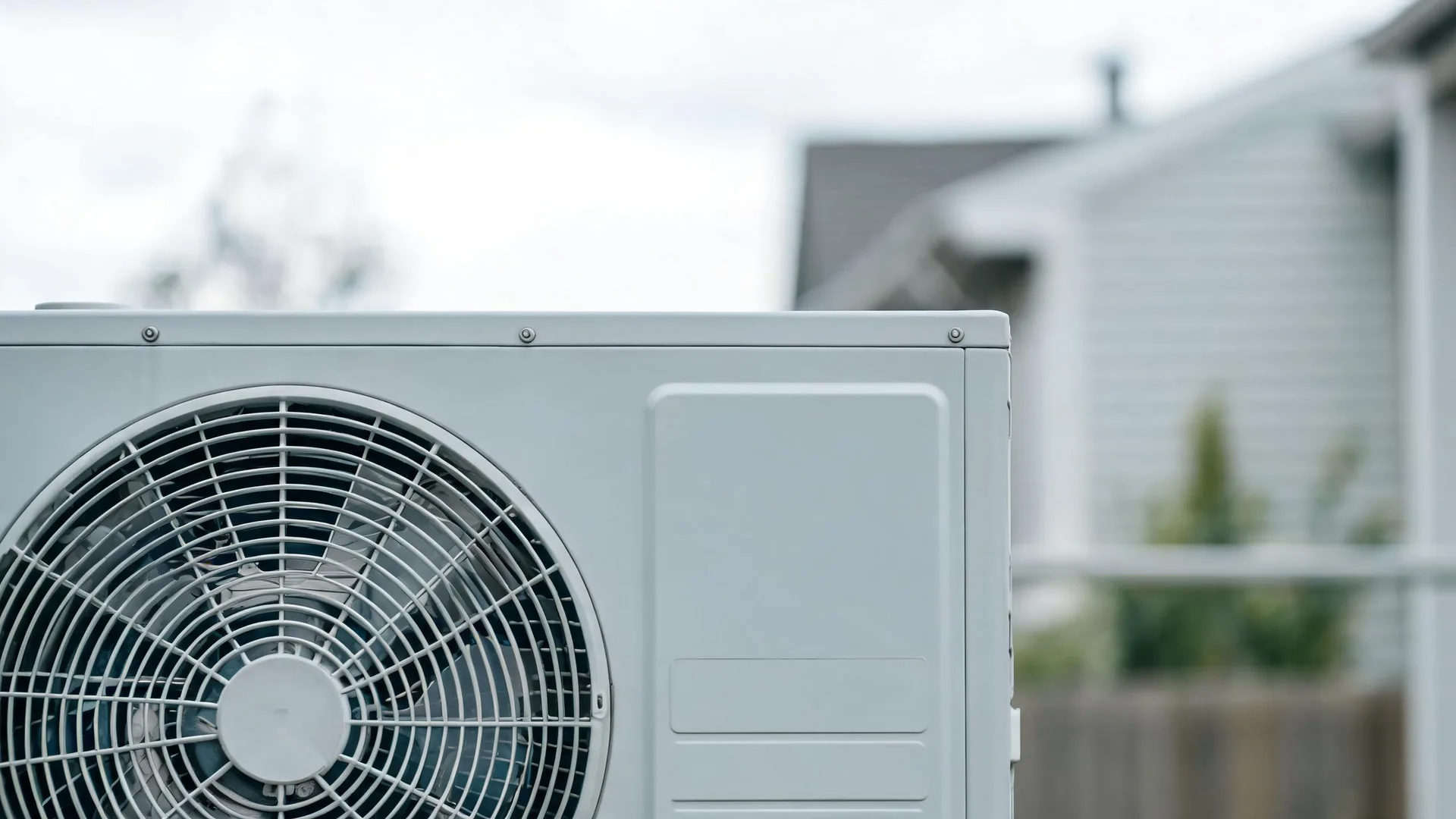
A residential heat pump outdoor unit mounted on a concrete pad next to a house with gray vinyl siding.

An older house needs a system sized for it, not just the square footage

Half the homes in Bremer County were built in 1970 or earlier. A heat pump going into a house that age isn't going into a blank slate. The ductwork, if there is ductwork, was likely sized for a furnace and an AC condenser, not for a heat pump moving air at different temperatures and volumes. That's not a reason to rule anything out, it's a reason the sizing and the duct check matter more here than they would in a newer subdivision. Ask what they're basing the load calculation on, and whether they looked at the ducts themselves or just the square footage.

The rating is measured, not guaranteed

SEER2 and HSPF2 come from lab testing at a fixed temperature and a fixed airflow. Your house never sits at exactly those conditions, so the number on the label is a ceiling, not a promise. How close a system gets to it depends on duct sizing, refrigerant charge, and how well the whole thing was set up, not just which unit got installed.
Systems with the same rating can still run differently

A high rating on paper doesn't tell you how the system was matched to your house. The same outdoor unit paired with the wrong indoor coil, undersized ducts, or a bad charge will run worse than a lower-rated system installed correctly. The rating tells you what the equipment is capable of. The installation decides whether it gets there.

If there's a working furnace or AC condenser being replaced, someone has to deal with it, and that's part of the job, not an afterthought you arrange later. A gas furnace coming out gets disconnected from the gas line properly, capped, and hauled off. An old condenser gets its refrigerant recovered before it's cut loose, that's federal law, not a courtesy. Whoever installs the heat pump should be handling the removal and disposal as part of the quote, not leaving a dead furnace in the garage for you to deal with. If ductwork is getting modified to suit the heat pump, ask whether that's happening before the new equipment goes in or after, because sequencing it wrong means paying someone to come back.

The crew starts outside, setting the outdoor unit on a pad or mounts level and clear of the wall, then runs the line set to wherever the indoor coil connects. If ductwork is involved, that gets checked and sealed before anything gets charged with refrigerant. The electrical disconnect gets wired in, and the refrigerant lines get pressure tested for leaks, then pulled down to a vacuum to clear out moisture and air before any charge goes in. Once it's charged, a tech checks that charge against the manufacturer's numbers for the line length and the conditions that day, not just a gauge reading that looks close enough. The thermostat gets set up last, and the whole system runs through a cycle in both heating and cooling before anyone calls it done. A crew skipping steps to finish early is usually skipping the ones that decide whether the system runs right when the weather turns hard.