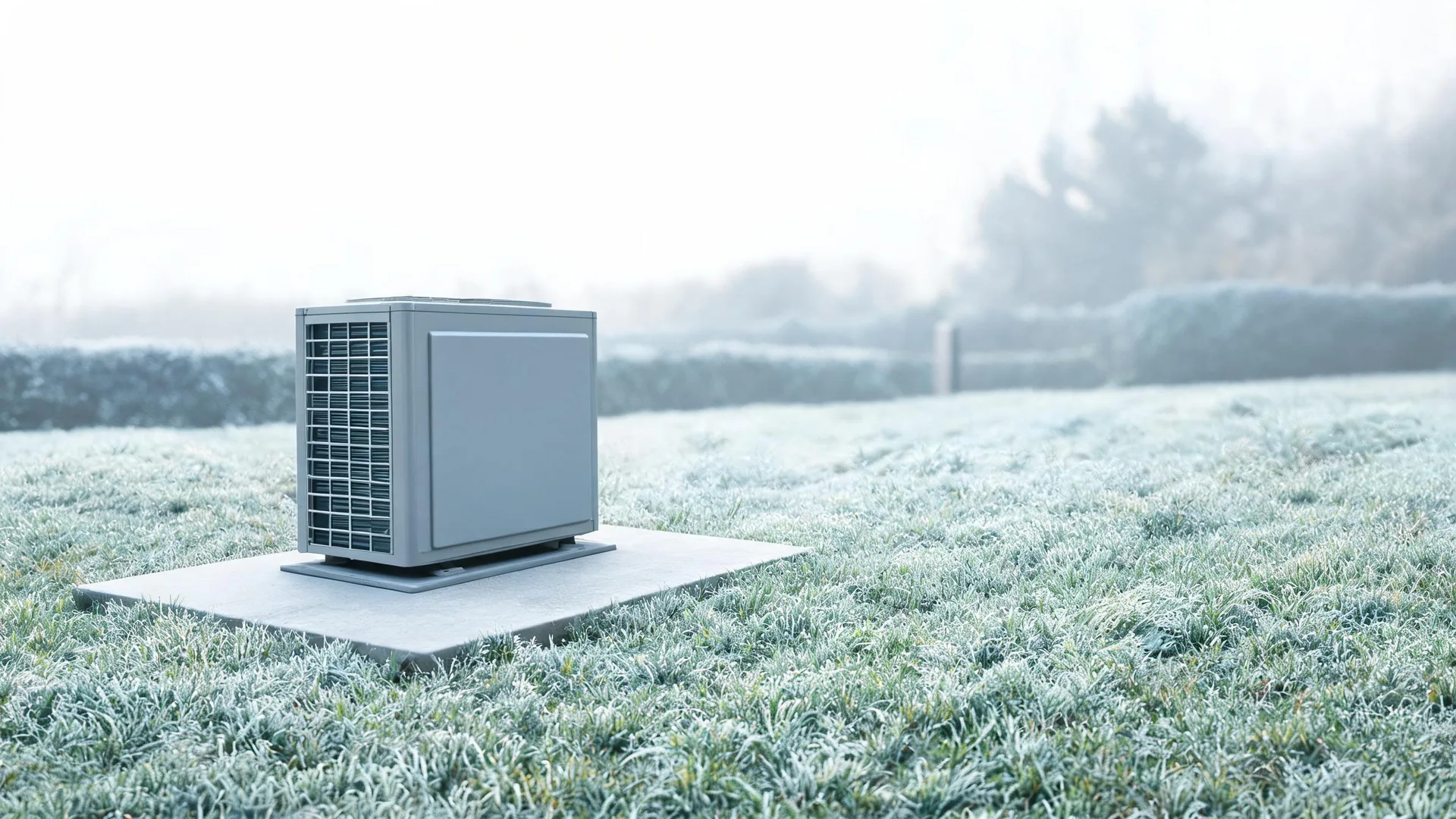
Electricity here runs 17.02 cents a kilowatt-hour
That is higher than what most US counties pay. A heat pump runs on electricity, so that rate applies to every hour it operates.
Takes about a minute. No obligation.
That is higher than what most US counties pay. A heat pump runs on electricity, so that rate applies to every hour it operates.
Two heat pumps rated differently will show it on your bill in this county faster than somewhere with cheaper power. The rate you pay for each kilowatt-hour decides how much that difference is worth.

NOAA nClimDiv, 1991–2020 normals
A heat pump in Cerro Gordo County runs through a long cold season and a muggy summer both.
Size the unit for both jobs, not just the furnace it's replacing.




Cerro Gordo County falls under zone 6A in the 2021 energy code, a cold zone with a long heating season. Any split-system heat pump installed new has to clear a federal floor: at least 14.3 Btu of heat moved per watt-hour in summer, at least 7.5 in winter. That floor was set for systems built from 2023 on, so it applies to what's going in now. A contractor sizing your install will already be working from units that meet it. Where you have room to decide is going above that minimum, since the gap between the floor and a higher-rated unit is what shows up on the power bill here.
The install already has to clear the efficiency floor. Asking for a rating above it is what turns your power rate into savings instead of just a bill. Compare that number on every quote you get before you decide.
Find a contractor
Half the homes in Cerro Gordo County were built in 1959 or earlier. A house that old wasn't built with a heat pump in mind, because the equipment didn't exist yet. Whatever is already there, the ductwork, the electrical panel, the spot where the old furnace sits, was sized for a different kind of system. Fitting a heat pump to a house like that means working with what's already in place, not swapping one box for another.
A contractor works out the right size by measuring the house: the square footage, the windows, the insulation, how the rooms are laid out. The furnace or heat pump that's already there doesn't factor in. If that unit was ever sized wrong, guessing off it just carries the mistake into the new install.
A heat pump that's too big cools or heats the space fast and shuts off before it pulls the moisture out of the air, so the house feels damp even when the temperature's fine. One that's too small runs constantly and never quite catches up on the coldest or hottest days. Either way the system wears faster and the comfort isn't there.
If you're keeping the old furnace as backup heat, it stays in place and the heat pump gets added alongside it, wired to take over the heating load until the temperature drops low enough that the furnace kicks in instead. If the heat pump is replacing a straight air conditioner with no backup furnace involved, the old condenser outside comes out, along with its line set and the pad it sat on. Any ductwork that only ever carried cool air gets checked before it's asked to carry heat too, since a heat pump pushes air at a lower temperature than a gas furnace and leaky or undersized ducts show that difference fast. The old thermostat usually isn't compatible with the new system and gets swapped as part of the job. Whatever refrigerant was in the old unit gets recovered by the contractor rather than released, since venting it is against the law. None of this is optional groundwork, it's what decides whether the new system performs the way it's rated to.
A load calculation tells a contractor how big the new heat pump needs to be. It does not tell them what the house can carry it on. In a home from 1959 or earlier, the ductwork and the electrical panel were put in for whatever heated the place back then, usually a gas furnace, not for a heat pump pulling its full load off the panel. Check the panel's capacity before you settle on equipment, because a heat pump plus the backup heat it works alongside can ask more of it than the old furnace ever did. Check the ducts too. If they were never sealed or sized for the lower, steadier airflow a heat pump puts out, that's where the install needs to start, not at the unit itself.