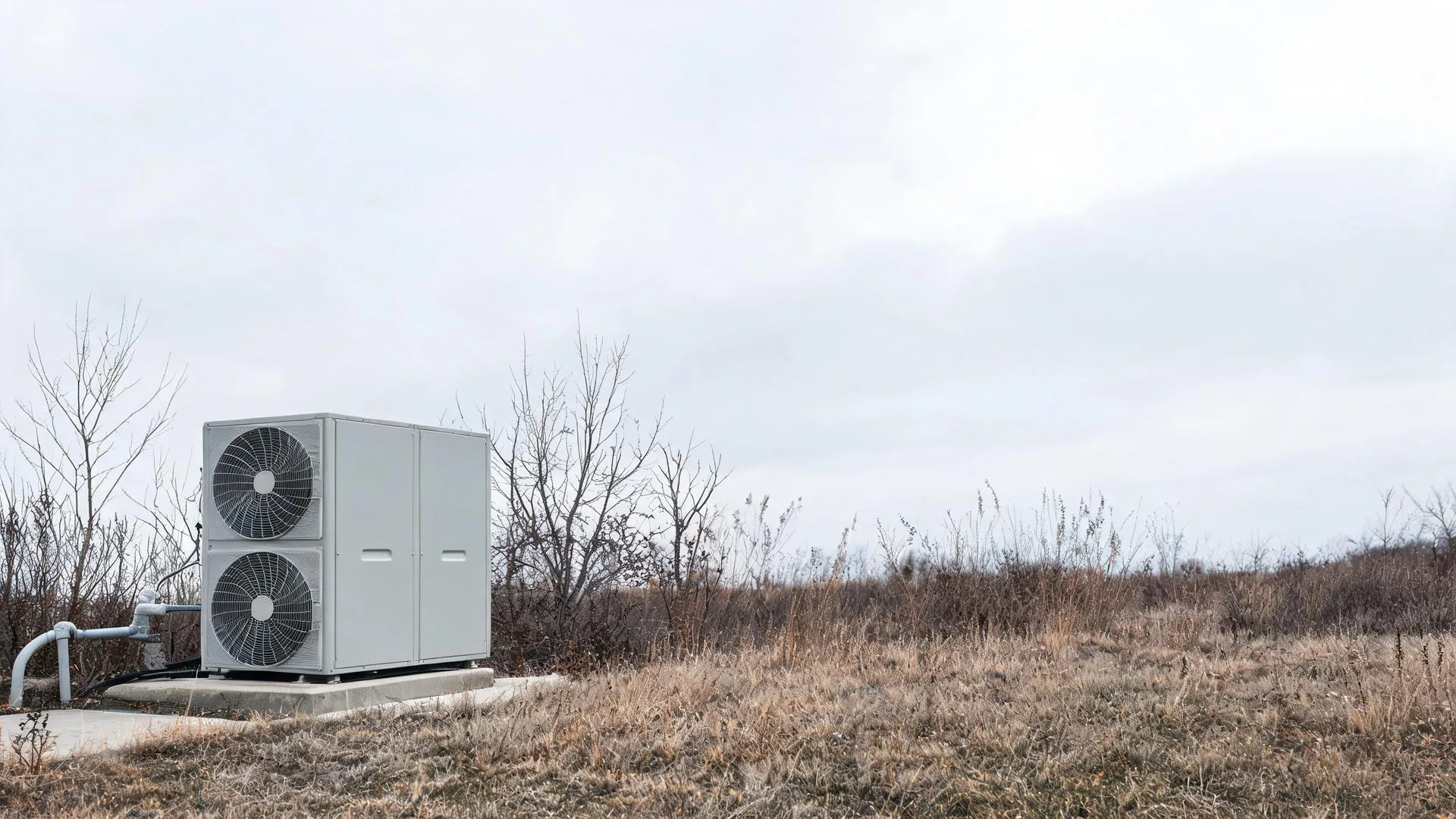
Most homes here run on gas
Utility gas heats 54.8% of homes in Buena Vista County. Electricity is next at 31.6%, with LP gas making up most of the rest. A gas furnace is still what most of your neighbors have in the basement or closet.
Takes about a minute. No obligation.
Utility gas heats 54.8% of homes in Buena Vista County. Electricity is next at 31.6%, with LP gas making up most of the rest. A gas furnace is still what most of your neighbors have in the basement or closet.
Installing a heat pump here usually means pairing it with the gas furnace already in place, not ripping it out. The heat pump handles cooling and the milder months, and the furnace takes over when it's too cold for the heat pump to keep up.

NOAA nClimDiv, 1991–2020 normals
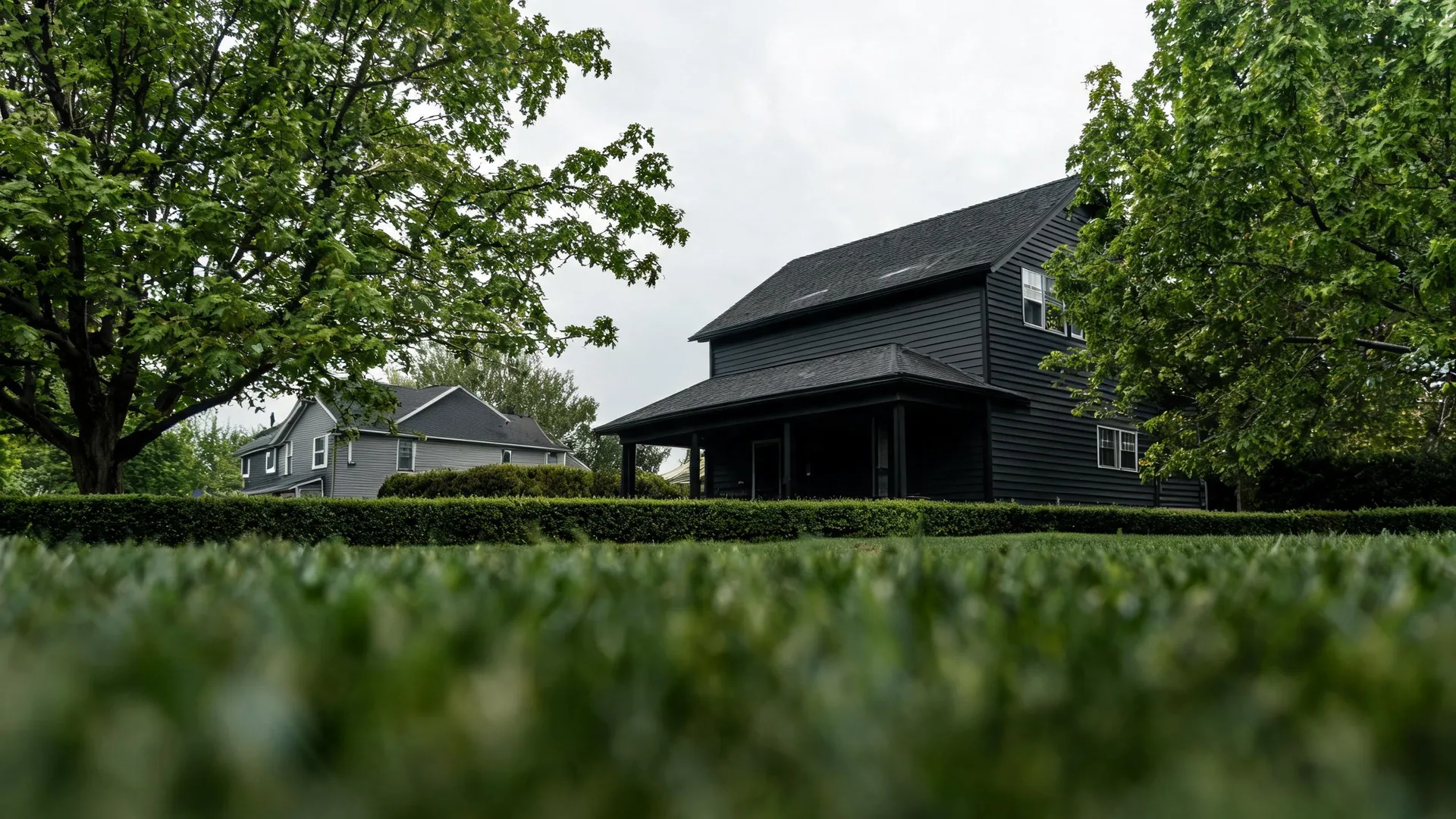
Half the homes in Buena Vista County were built in 1964 or earlier.
A heat pump going into a house that old has to match the ductwork and electrical already there, not the other way around.



May is worth marking on a calendar. Cooling starts in June and runs through August, so getting the heat pump in during May means it's tested and running before the first hot stretch instead of during one. The same logic holds on the other end. Heat here kicks on in October and runs clear through May, eight months of leaning on whatever system is in place. A heat pump installed with room to spare gets checked out and adjusted before it has to carry the house through a December night averaging 12°F. Scheduling it ahead of either season means the work happens when a contractor has time to do it right, not when the old system has already quit.
Buena Vista County sits in zone 5A, where heating carries most of the load. Any split-system heat pump installed here has to clear federal minimums set for that climate: at least 14.3 Btu of cooling for every watt-hour it uses, and at least 7.5 Btu of heat for every watt-hour in return. That sets the floor for what can go in.
Find a contractor
A heat pump replacing an old AC doesn't always mean the old unit comes out whole. A contractor disconnects the refrigerant lines, recovers whatever refrigerant is left in the system rather than venting it, and removes the outdoor condenser and the indoor coil. If the furnace stays, the ductwork and the furnace itself are left alone since the heat pump ties into that same system rather than replacing it. The old thermostat usually comes out too, since a heat pump needs a thermostat built to control two systems and manage the switch between them. Refrigerant lines sometimes get reused if they're sized right and holding pressure, but a contractor pressure tests them before trusting them with a new system rather than assuming last year's lines are fine for this one.
A contractor works out heat loss and heat gain room by room, using wall and ceiling insulation, window area, and square footage. The number that comes out of that calculation is what sizes the heat pump. Matching whatever tonnage the furnace or old AC happened to be skips the math and just repeats someone else's guess.
A heat pump that's too big for the house cools the air fast, shuts off, and starts again before it's pulled the moisture out of the air. That leaves rooms feeling clammy even when the thermostat says the temperature is right. It also means more stopping and starting, which wears on the compressor over time. Bigger isn't a safety margin here. It's a different failure.
A couple of numbers tell you more than any brand name on the unit. Ask for the HSPF2 and SEER2 ratings on the specific system being quoted, not a general range the contractor usually installs. Ask what the heating capacity looks like at low outdoor temperatures, since that number can drop well below what the unit puts out on a mild day, and that drop is what decides how much the backup furnace has to carry. Ask whether the outdoor unit has a cold-climate compressor built to keep producing heat as it gets colder outside, because standard compressors taper off sooner. Ask how the heat pump and furnace will talk to each other, whether a thermostat or control board decides when to switch between them, and at what outdoor temperature that switch happens. A quote without answers to those questions is a price on a box, not a system matched to the house.
Half the homes in this county went up in 1964 or earlier, and that's the number a contractor has to work around when sizing a heat pump. An older house usually means the ductwork was built for a furnace blowing hot air, not for the steadier, lower-temperature airflow a heat pump puts out. The electrical panel is the other piece. A heat pump draws on circuits that may not have existed when the house was wired, so that gets checked before anything goes in, not after. None of this rules a heat pump out. It just means the install starts with what the house already has, and the equipment gets fit to that, not the other way around.