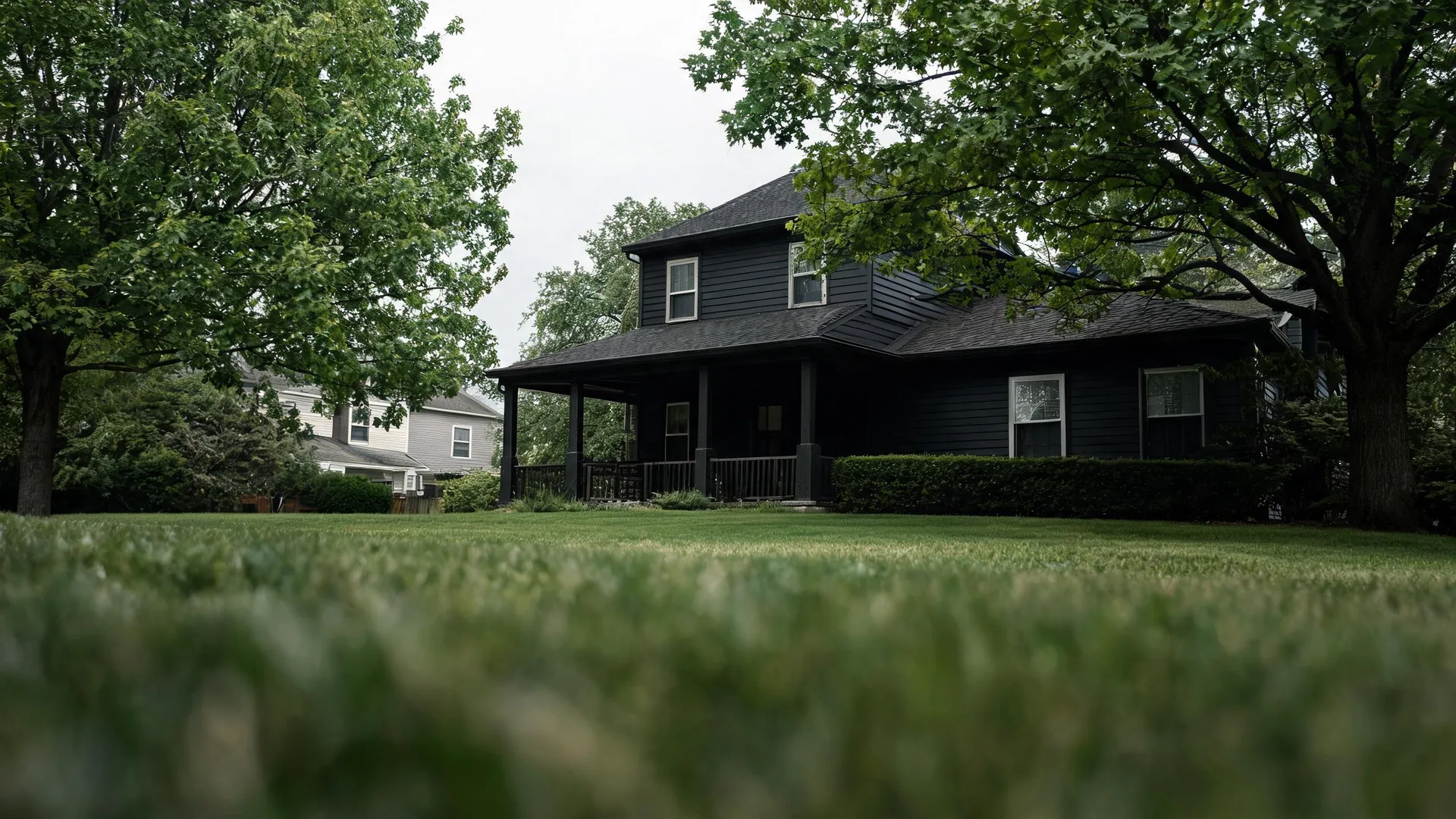





A dark two-story house with a covered front porch and shrubs, framed by large leafy trees, photographed from ground level across a mown green lawn with blurred grass in the foreground.

Heat Pump Installation in Dubuque, IA

Tell us about the job

Takes about a minute. No obligation.

New system or replacementHeat PumpDubuque County, IA
Step 1 of 2

What ZIP code is the job in?

Electricity in Dubuque County runs 17.13 cents per kilowatt-hour, more than what most counties pay. A heat pump moves heat instead of burning gas to make it, but it still runs on electricity, and every kilowatt it draws comes at that rate. A unit with a higher efficiency rating pulls less power to do the same job, and on a system that runs as much as this one does here, that difference shows up on every bill, not just a few. Two heat pumps can heat and cool the same house and cost noticeably different amounts to run, and the rate here is why that gap matters more in Dubuque than it would somewhere with cheaper power.

8 months
October through May, your system heats
3 months
June through August, it cools
15°F
the average winter night it heats against
81°F
the average summer afternoon it cools against
Isometric line illustration of a cutaway single-story house showing interior rooms, ceiling ductwork, an indoor air handler unit, and an outdoor condenser connected by a line set.
Your system heats October through May and cools June through August.

NOAA nClimDiv, 1991–2020 normals

Heat runs here from October through May.

Have the new system in before September ends, so the first cold night isn't the night you find out something's wrong.

Most homes here already run on gas. A heat pump replacing one isn't the common setup, so matching it to the house matters more.

71.2% of homes heat with gas
118 damaging wind events from 2015 to 2024
39 hail events from 2015 to 2024

Dubuque County falls in climate zone 5A, a cool zone where the furnace or heat pump works harder for heat than for cooling. Any split-system heat pump installed new has to clear federal minimums to be sold at all: at least 14.3 Btu of heat moved per watt-hour used over the summer, and at least 7.5 Btu per watt-hour over the winter. Those numbers set the floor, not the ceiling. Units above that floor exist, and in a zone where the heating load is the bigger one, what a system does above the minimum is what shows up in a Dubuque winter. A system bought to just clear the standard is still a legal install. It just isn't the only option worth comparing.

On power this expensive, the efficient pick keeps paying you back

The rate here is already fixed. What you can still choose is the unit, and the efficiency rating is where that choice shows up on the bill, month after month. Comparing ratings before you buy is how you make sure the one installed is the one that costs less to run.

Find a contractor
A gray air-source heat pump mounted on a concrete pad next to a house with gray vinyl siding, surrounded by gravel and flanked by green shrubs and white hydrangea flowers.

Built for a different house than the one it's heating now

Half the homes in Dubuque County were built in 1970 or earlier. A heat pump installed in a house that age is going into ductwork and insulation it wasn't designed around. That doesn't rule out a heat pump. It means the unit has to be sized and matched to the house as it actually is now, not to a generic number on a spec sheet. Get the sizing wrong in an older home and the system either runs too long trying to keep up or shuts off before it should, and both of those show up in what it costs to run every month after.

The old equipment has to come out first

A furnace or old heat pump doesn't just get unplugged and left. The contractor disconnects the gas line if there was one and caps it, pulls the old refrigerant lines, and recovers any refrigerant left in the system rather than venting it, since that's regulated. If the old unit shared ductwork or a thermostat wire with what's going in, those connections get checked over, not just reused as is.
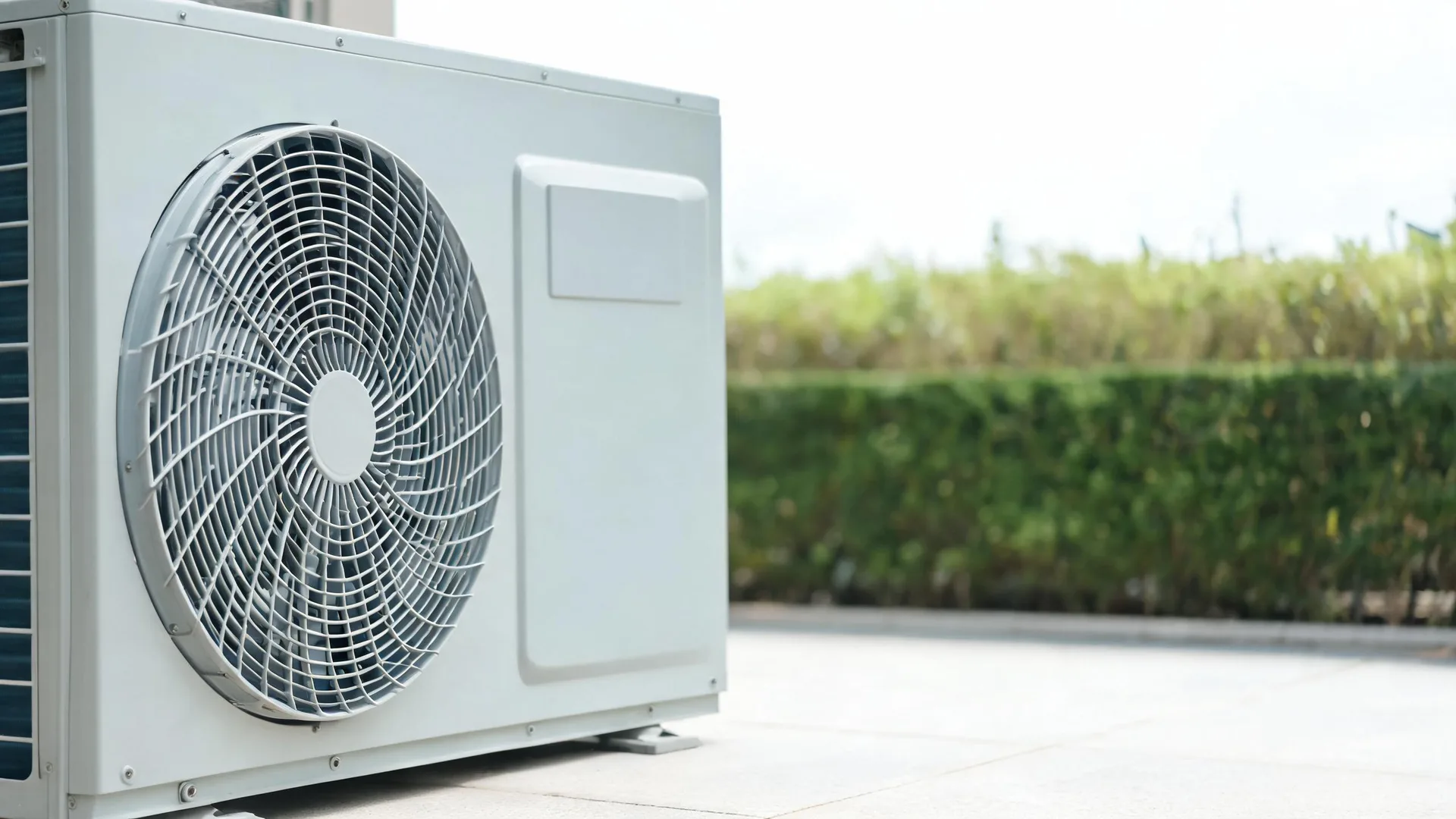
What's underneath it matters as much as the unit itself

An outdoor condenser usually sits on a pad, and that pad has to be level and solid before a new one goes on it. If the old pad is cracked or has settled into the ground, it gets replaced rather than reused. The electrical disconnect box and breaker feeding the old system get inspected too, since a heat pump can draw differently than what was there before, and old wiring sized for a different unit isn't something to guess about.

Sizing a heat pump means working out how much heat the house loses on the coldest days and how much it gains on the hottest ones, then matching a unit to that load. It isn't a guess and it isn't just square footage. A contractor doing this right measures the walls, the windows, the insulation, the ceiling height, even which way the house faces, and runs that through a load calculation. Skip that step and go by rule of thumb instead, and the unit you get is wrong in one of two directions. Too big, and it blasts the house to temperature fast, shuts off, then starts again a few minutes later. That short cycling wears on the compressor and never gives the system time to pull moisture out of the air. Too small, and it runs flat out on the coldest or hottest days and still can't keep up, leaving the house a few degrees off no matter how long it runs. The right size runs longer, steadier stretches, which is actually what a heat pump is built to do.

Comparing heat pumps on paper means knowing what the numbers actually tell you. A higher efficiency rating matters, but so does what the unit can do at low outdoor temperatures, since not every heat pump keeps delivering heat as the air outside gets colder. Ask how the system performs at its coldest rated point, not just at mild conditions, because that's the number that tells you whether it needs backup heat or can carry the house on its own. Ask about the compressor too. A single-stage compressor runs at one speed, full on or off. A variable-speed compressor adjusts output to match what the house needs at that moment, which means steadier temperatures and less cycling. Ask what sound rating the outdoor unit carries, since some run noticeably quieter than others sitting a few feet from a window. And ask what the warranty actually covers, parts or labor or both, because a compressor failure years in costs a lot more if labor isn't included.