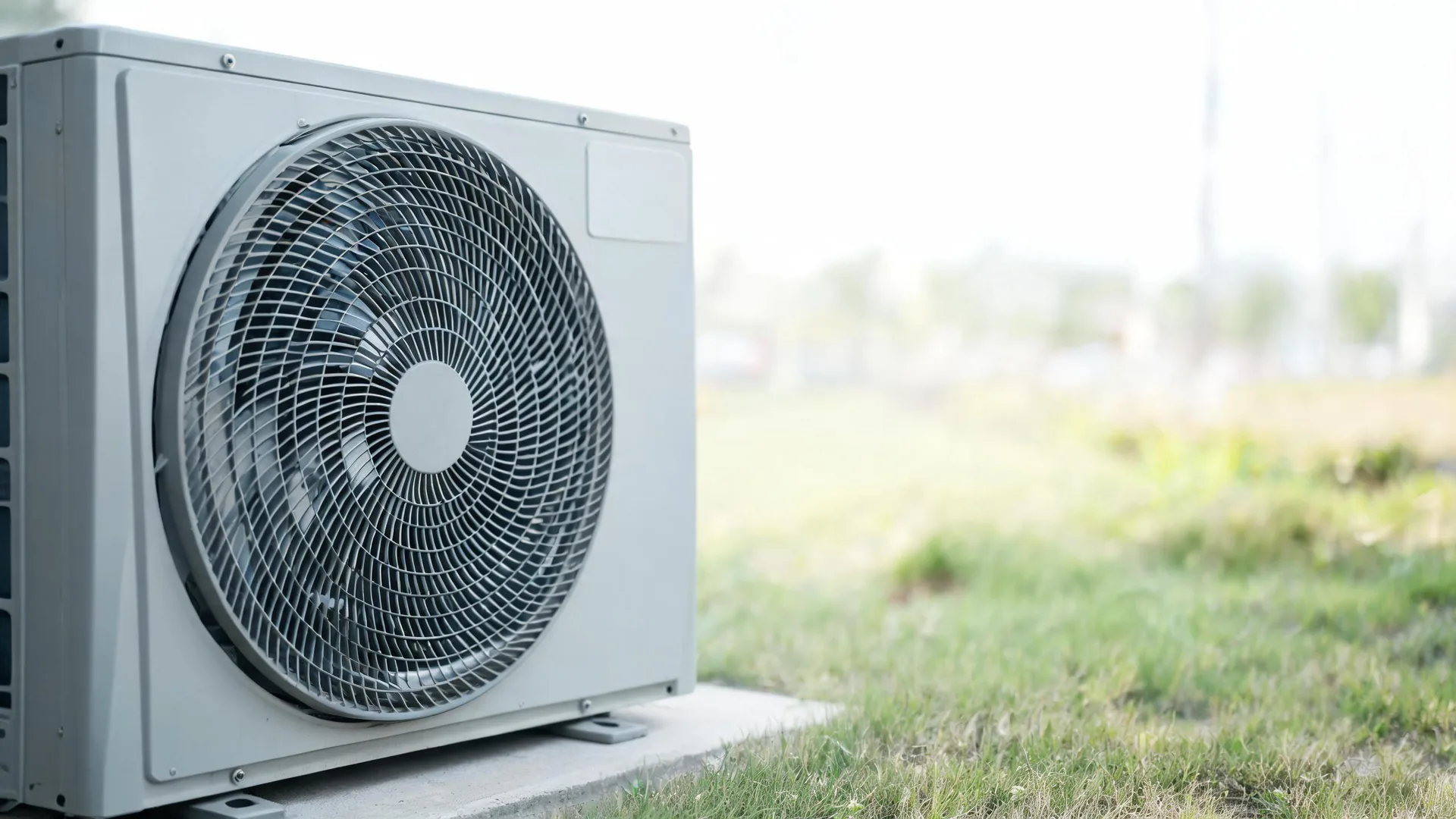
Most houses here run on gas
Close to two thirds of homes in Webster County heat with utility gas. Electricity comes in second, and a smaller share run on bottled or LP gas. A heat pump has to fit into that picture, not replace it outright.
Takes about a minute. No obligation.
Close to two thirds of homes in Webster County heat with utility gas. Electricity comes in second, and a smaller share run on bottled or LP gas. A heat pump has to fit into that picture, not replace it outright.
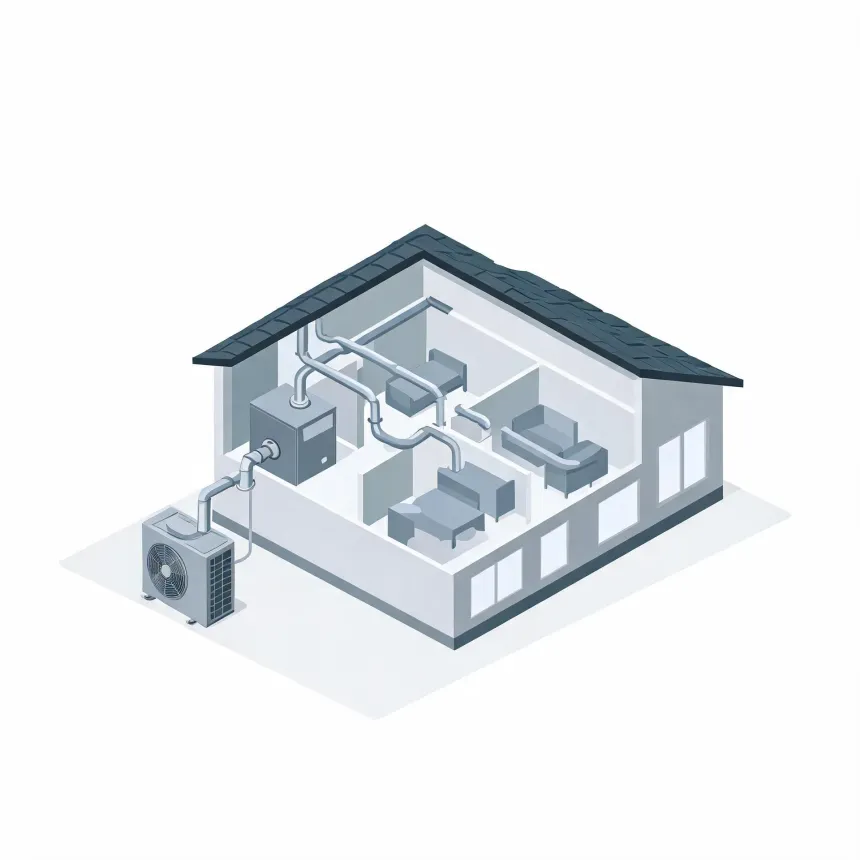
A heat pump paired with the existing gas furnace lets the furnace take over on the coldest days while the heat pump handles the rest. For a home already set up to burn gas, that pairing is usually the straightforward way to add one.
NOAA nClimDiv, 1991–2020 normals
Webster County has logged 140 severe weather events between 2015 and 2024, from hail to high wind to winter storms.
A heat pump here just needs to be installed solidly and sized right, nothing unusual beyond that.



Half the homes in Webster County were built in 1957 or earlier. A house that age wasn't built with a heat pump in mind, and the ductwork is usually the question mark. If the duct system was sized for an old gas furnace, it may not move enough air for a heat pump to work efficiently, since heat pumps generally put out cooler air over longer run times than a furnace does. This is worth having checked before installation, not after. It's not a reason to rule a heat pump out. It's a reason to have someone look at what's already there before sizing the new one.
Heat here runs October through May, which means September is the last easy month to get this done. Installing before then means the furnace and heat pump are both tested and working together before the first cold night, not during one.
Find a contractorThis heat pump will run most months of the year, not just a handful of weeks in spring and fall. Zone 5A means winter is the bigger of the two jobs, so expect longer runtimes through the cold months than through summer. Once the weather turns, the dew point here averages 61°F across June, July and August, heavy enough that the system is pulling real moisture out of the house while it cools. A correctly sized heat pump is built for that kind of year-round work. Long, steady cycles are how it's supposed to run, not a sign anything is wrong.
A heat pump has to be matched to the house, the duct system and the load it needs to cover. Getting that sizing right usually means a contractor runs a load calculation rather than just swapping in something close to the old equipment. That extra step takes time and know-how, and it shapes which unit even makes sense to install.
Running new line sets, adding an outdoor pad, modifying ductwork or upgrading the electrical panel to handle the new load all add work beyond the unit itself. A house with ductwork that already fits and electrical capacity that's already there is a simpler install than one that needs any of that built out first.
The efficiency rating on a heat pump's label is a ratio, not a guarantee. It tells you how much heat or cooling the unit can move for the power it draws, measured under set lab conditions. Run it in a house with leaky ducts or a system that's the wrong size for the space, and it won't hit that number no matter what the sticker says. Two homes with the same rated unit can see different results depending on duct condition, airflow and how well the thing was installed in the first place. That's why the rating is a starting point for comparing equipment, not a promise about what your bill will look like. The installation matters as much as the number on the box.
Webster County sits in zone 5A, a cool zone where winter is the bigger job for any heating system. Any split-system heat pump installed here, as long as it was manufactured on or after January 1, 2023, has to clear a federal floor of 14.3 for cooling and 7.5 for heating. Those numbers are set before the unit ever reaches a truck, so they're not something a contractor adjusts on site. What a contractor does control is matching a unit that clears that floor to your house, your ducts and your panel. A federal tax credit is available for qualifying heat pump installations, which can offset part of the cost of equipment that meets these standards.