


What the cold does to a heat pump here
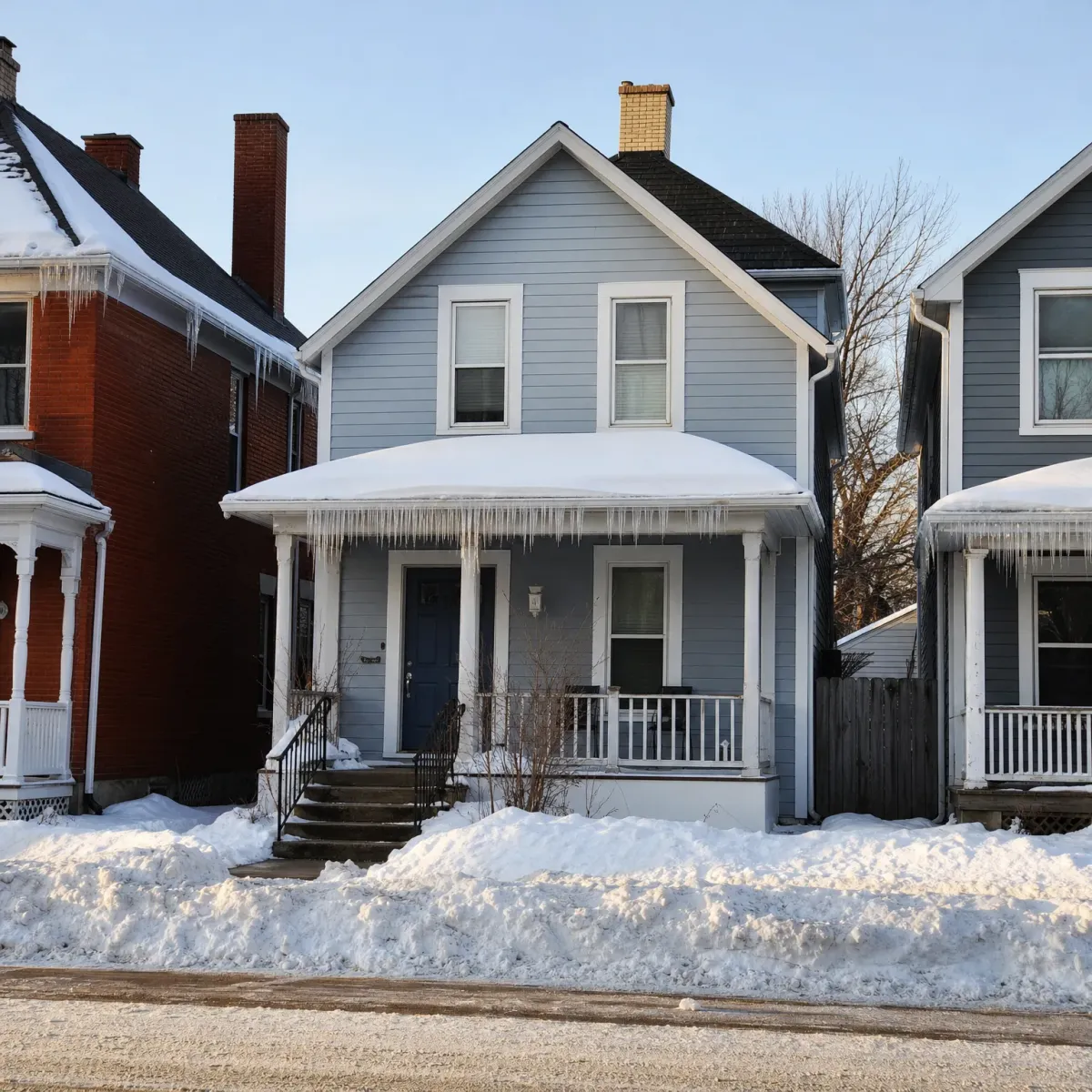
Winter here is long and it gets hard cold. The heat runs about eight months a year, October through May, and the overnight low averages 13°F across December, January and February. About 155 nights a year drop to freezing or below, and about 20 of those get down to 0°F or colder.
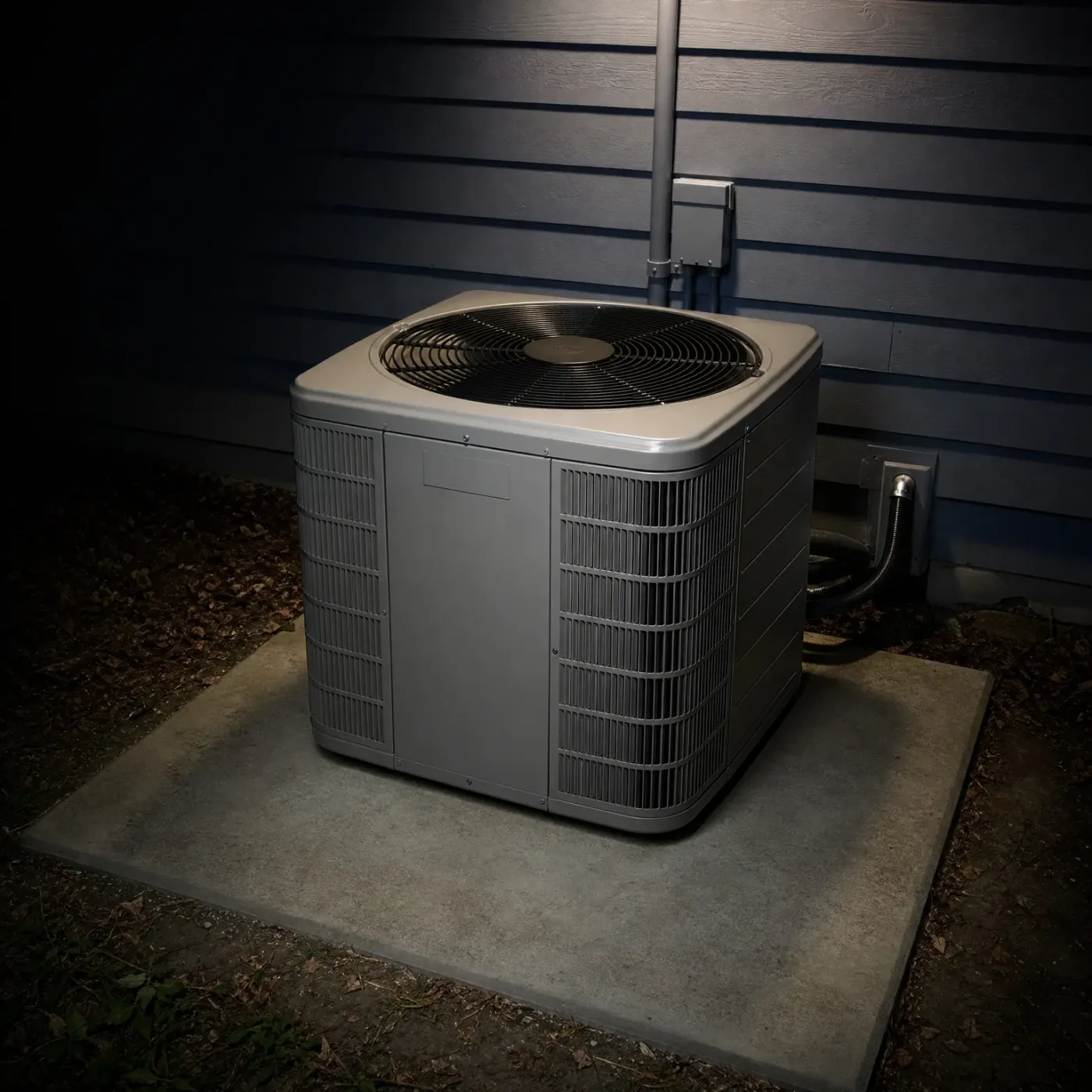
A standard heat pump starts losing ground before it even gets that cold. Below 40°F it puts out less heat than its rating says. Below about 35°F it usually needs backup heat to make up the difference. Here, every single one of those 155 freezing nights falls below both marks, and the average winter night is well below them too. So for most of the heating season, a standard heat pump in Webster County is running in the range where it needs help.
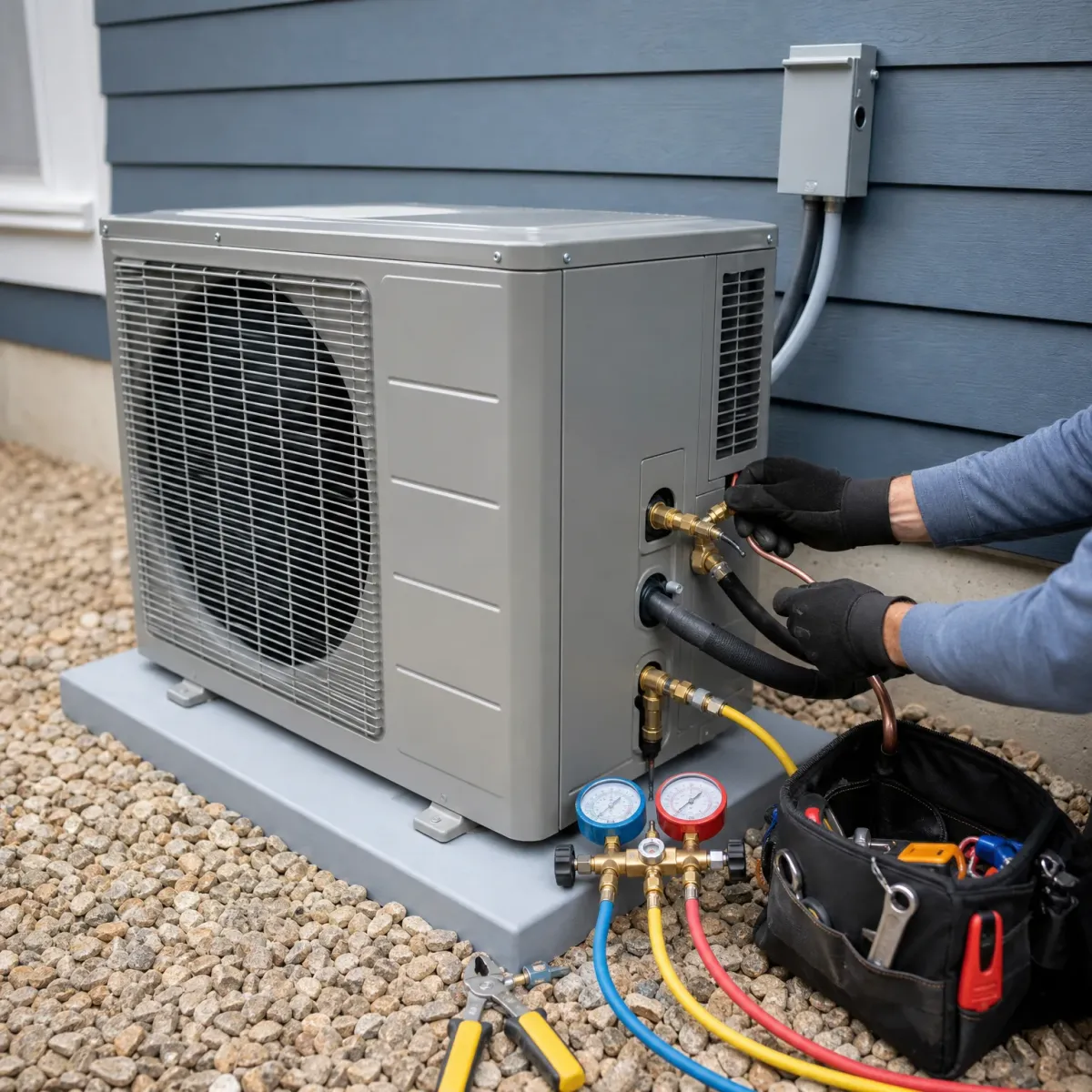
There's a version built for this. ENERGY STAR Cold Climate heat pumps have to prove, through outside testing, that they still make 1.75 units of heat per unit of electricity at 5°F and hold onto 70 percent of their 47°F capacity at that temperature. A field test of prototype cold-climate heat pumps over two winters found backup heat covered only a small share of the load between 0°F and 35°F, and the units rarely ran on backup alone even above 0°F. That is the gap between a heat pump that struggles here and one that doesn't: the equipment has to be rated for the cold, not just sized for the house.