



An unfinished basement containing a metal furnace with ductwork, exposed wooden joists on the ceiling, cardboard boxes, a coiled cable, and a single hanging incandescent bulb.

Furnace Repair in Fort Dodge, IA

Tell us about the job

Takes about a minute. No obligation.

RepairFurnace or heatingWebster County, IA
Step 1 of 2

What ZIP code is the job in?

Furnaces around Fort Dodge run from October through May, close to eight months of the year. That's more than most of the country asks of a furnace. Webster County has also seen 31 winter storms between 2015 and 2024, heavy snow, ice, blizzards, the kind of cold snaps that push a furnace to run nonstop for days. A furnace working that many hours, under that kind of strain, wears parts down faster than one that gets a long rest every summer. If something's acting up now, there's usually a reason tied to that workload, and it's worth having someone find the actual cause instead of guessing.

8 months
October through May, your furnace is on duty
13°F
the average winter night it heats against
63%
of homes here heat with gas, so most furnaces here burn gas
31 winter storms
in ten years, the nights a failure hurts most
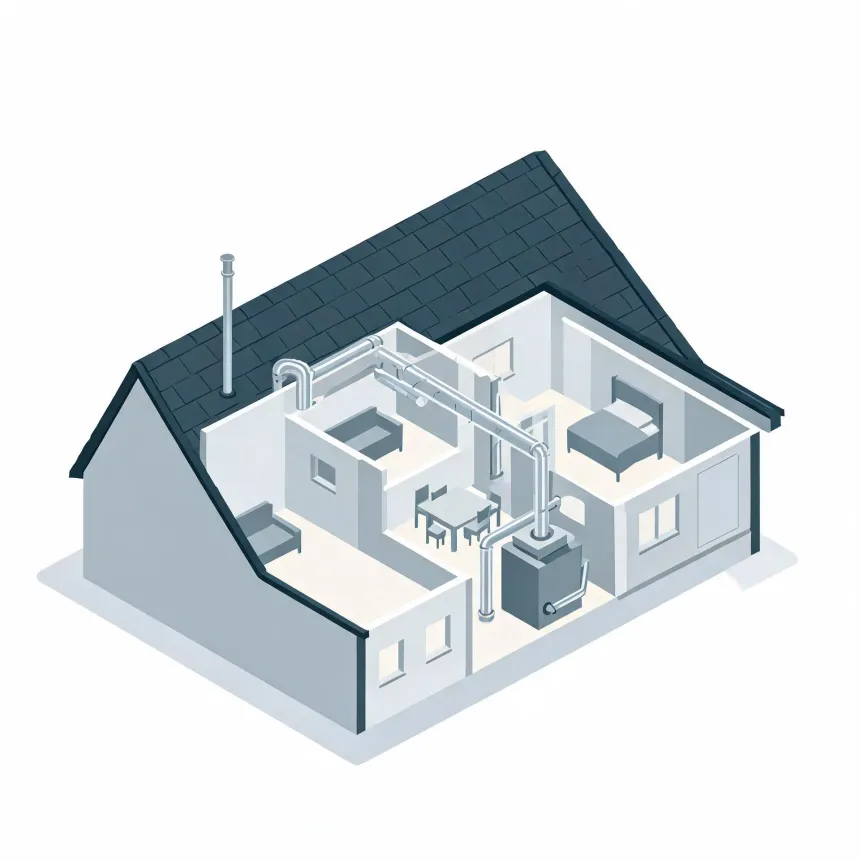
Isometric cutaway illustration of a single-story house with a dark shingled roof, showing interior rooms with furniture and a ducted furnace unit connected to metal ductwork and a roof flue.
Your furnace works hardest from November through March.

NOAA nClimDiv, 1991–2020 normals

A cracked heat exchanger or a failed control board means the furnace is done, no matter how new the rest of it looks.

Smaller failures like a bad igniter or a stuck valve are worth fixing, especially on a furnace that hasn't logged many years of hard winters yet.

Half the furnaces here are already older than the house needs them to be

Half the homes here were built by 1957
Heat runs October through May
Winter nights average 13°F
The First Cold Snap Finds the Weak SpotHeat goes on in October here, and whatever was already failing shows up fast.

A furnace that's struggling usually tells you before it quits outright. Short cycling is one of the clearest signs, where it fires up, runs for a minute or two, and shuts off before the house warms. That points to a dirty flame sensor, a clogged filter, or a limit switch tripping from overheating. A burner flame that's flickering yellow instead of steady blue means it isn't burning clean, and that's not something to wait on. Listen for a boom at startup, a sign fuel is pooling before it lights, or a grinding, rattling sound from the blower that points to a worn motor bearing. If the air coming out feels lukewarm instead of hot, the heat exchanger or the gas valve could be behind it. Rooms that heat unevenly, a thermostat that seems to be guessing, or a furnace that runs constantly without shutting off are all worth a look before they turn into a no-heat call.

An Older Furnace Is Worth a Second Look Before You Pay for a Repair

Half the homes around Fort Dodge were built in 1957 or earlier. If yours is one of them, the furnace inside it may not be original, but it's worth finding out how old it actually is before paying for a big repair. A technician can look at the unit itself and tell you what kind of shape it's in and how many years it likely has left. That's worth knowing before you spend money fixing a part on a furnace that's close to done anyway.

Find a contractor
A gray gas furnace with attached ductwork and piping installed in an unfinished concrete basement.

Eight Months of Work, Every Year

The clip beside this one runs day into night because that's what the job looks like from October to May. Eight months of firing up, cycling, firing up again, through whatever a Webster County winter sends at it. When a furnace is already down an igniter or running on a tired blower motor, those are the hours that find it. If yours has started acting up, have a technician trace it back to the actual part instead of swapping pieces and hoping.

What Actually Wears Out

Furnaces fail from a handful of usual suspects. Igniters burn out from repeated heating and cooling cycles. Flame sensors build up a film that stops them reading the flame, so the furnace shuts itself off as a safety check. Blower motor bearings wear down after enough running hours and start making noise before they seize. Pressure switches and draft inducer motors fail when the venting isn't drawing right. Capacitors weaken and stop giving the blower motor the jolt it needs to start.

Why It Matters for the Fix

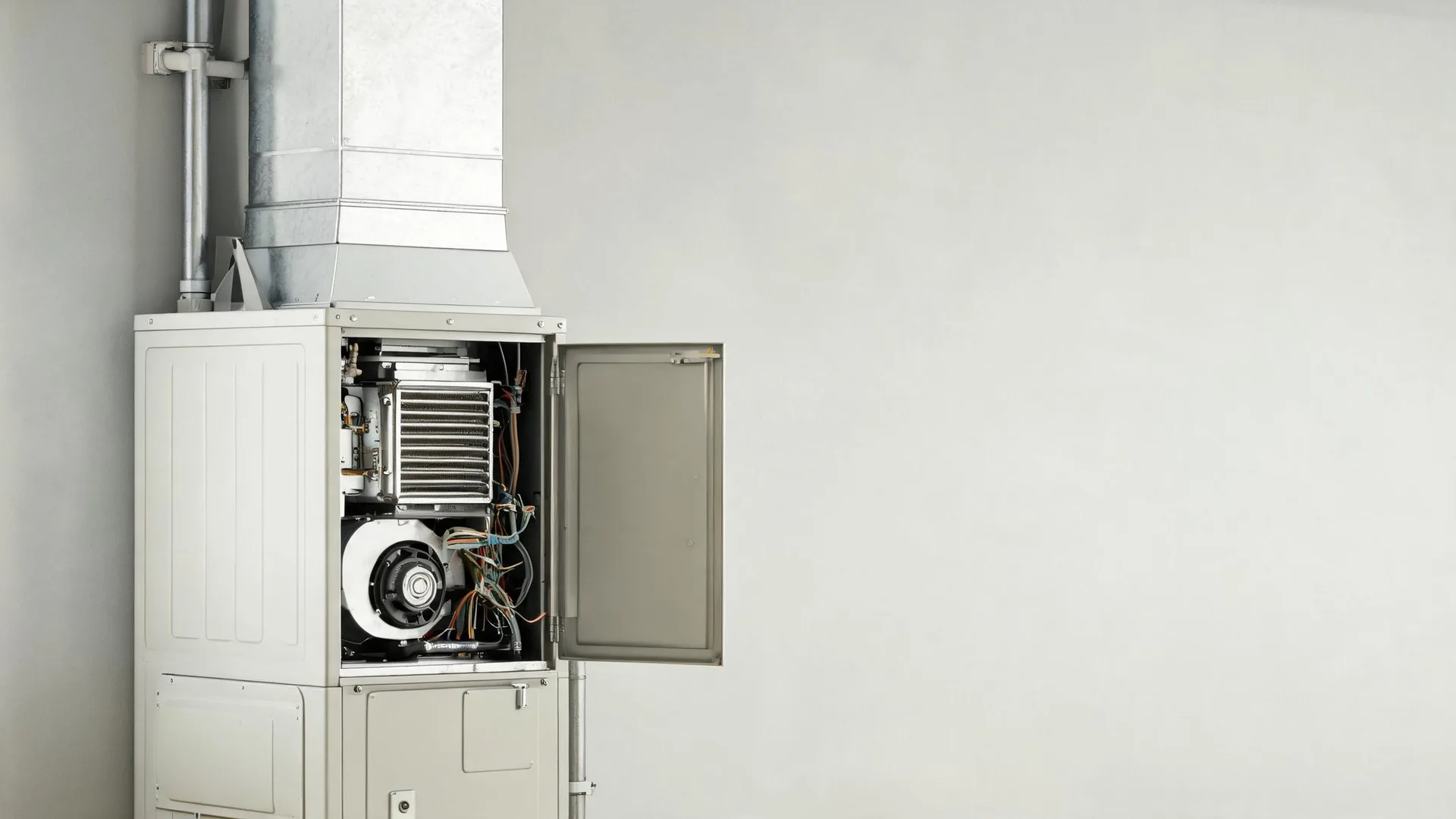
Most of these failures are specific and fixable. An igniter, a flame sensor, a capacitor, a pressure switch, these are individual parts that get replaced on their own without touching the rest of the furnace. The exceptions are the heat exchanger and the control board. Once either of those fails, the furnace is done, because both sit at the center of how the unit runs and neither is worth replacing on its own. The first job for a technician is figuring out which kind of failure this is before any parts come off.

An unfinished concrete basement containing a metal HVAC air handler, exposed wooden ceiling joists with sheet-metal ducts, a hanging bare bulb, copper pipes, and stacked cardboard boxes.

A new furnace would cut about $110 a year off heating for a typical Webster County home.

  • A new high-efficiency furnace$470 a year
  • An older furnace$580 a year

Estimates for a typical Webster County home, compared with an older unit built to the previous federal minimum, from EIA household energy data, Iowa fuel prices and NOAA climate normals. Your home will differ.

Repair makes sense when one part has failed and the heat exchanger is sound.

Replacement makes sense when the heat exchanger is cracked or the furnace keeps needing parts.

A diagnostic visit starts before any panel comes off. A technician will ask what the furnace was doing, when it started, and whether anything changed right before, a thermostat swap, a filter left too long, a strange smell. Then comes a look at the burners lit, watching the flame pattern and listening to how the furnace starts and runs through a full cycle. Panels come off to check the flame sensor, the igniter, the wiring at the control board, and the condition of the blower wheel. Static pressure and amp draw get checked against what the furnace is rated for, because a motor pulling too many amps or a system with poor airflow points to a specific cause rather than a guess. The heat exchanger gets inspected for cracks or rust-through, since that one finding changes whether a repair makes sense at all. By the end, the point isn't a list of everything that could someday fail. It's naming the one part actually causing this problem, and telling you straight whether fixing it is worth doing.