Most of Waukee heats with gas
Utility gas heats 59.2% of occupied homes in Dallas County, with electricity a distant second at 32.1%. A furnace is still the default here.
Takes about a minute. No obligation.
Utility gas heats 59.2% of occupied homes in Dallas County, with electricity a distant second at 32.1%. A furnace is still the default here.
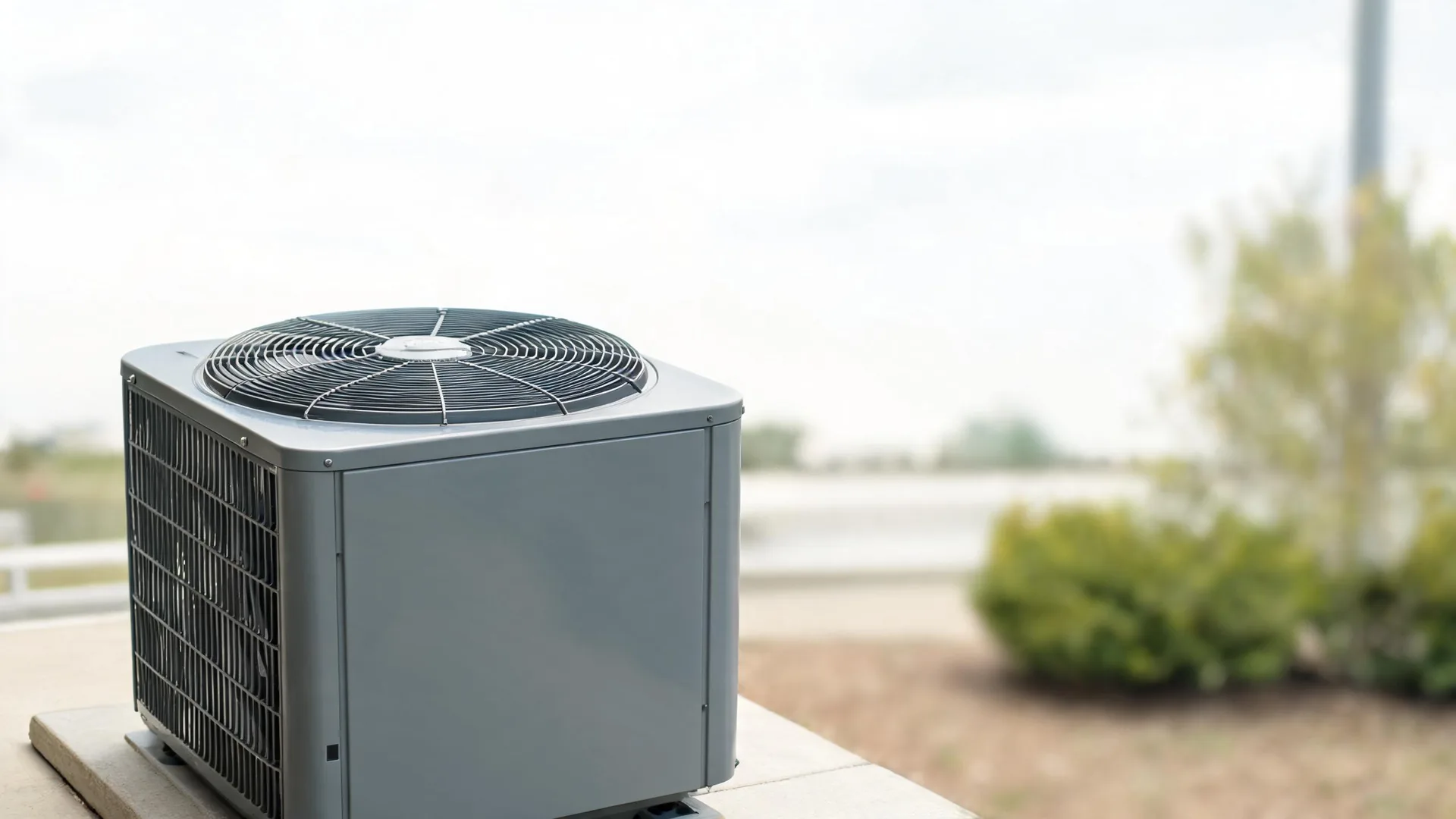
A heat pump installed here takes over both heating and cooling from one system. If your home has gas lines and ductwork already in place, the contractor sizing the job will need to know whether the heat pump is replacing the furnace outright or working alongside it.

NOAA nClimDiv, 1991–2020 normals
Heat pumps here run heat from October through May, about eight months a year.
Get one installed before September and it's ready for the full stretch, not just the easy days.




The efficiency rating on a heat pump's label tells you how much heat it moves for the power it uses, and a higher rating means it's getting more heat out of the same electricity. That matters more here than it would with a furnace, because a heat pump is working almost the entire time your system is running, not just on the coldest days. The rating is measured under set conditions in a lab, so it won't match what you see on the coldest mornings, when the unit has to work harder to pull heat from cold outdoor air. What the rating is good for is comparing one system against another before you buy. Once it's installed, how well it keeps that efficiency comes down to whether it was sized correctly for your home and whether the ductwork can move the air it produces.
Zone 5A calls for a heat pump sized to your home, not oversized for it. That's what a standard install gives you here. Nothing about Dallas County's winters or summers pushes you toward a bigger unit or a higher-end model than the job calls for.
Find a contractor
Sizing a heat pump comes down to a load calculation, not a guess based on square footage. A contractor measures the walls, windows, ceiling height and insulation, then works out how much heat the house loses on a cold day and how much it gains on a hot one. That number tells them what size unit to put in. Bigger is not safer here. An oversized heat pump satisfies the thermostat fast, then shuts off, so it cycles on and off all day instead of running long steady stretches. Short cycles mean the system never gets to pull moisture out of the air properly, and the compressor takes more wear from all that starting and stopping. Undersized has its own problem. The unit runs constantly and still can't keep up when it's coldest, leaning hard on backup heat strips to make up the difference. The right size runs longer, gentler cycles and holds the temperature steady instead of letting it swing around the setpoint. That same calculation tells the contractor whether your existing ductwork can carry the air this unit produces. A correctly sized heat pump pushing air through ducts that are too small will never perform the way the label says it should.
A heat pump needs a coil indoors as well as out, a refrigerant line set connecting them, and a way to handle backup heat for the coldest stretches. If the indoor coil or air handler is being swapped too, that's more labor than setting the outdoor unit alone. Electrical work adds to it as well, since a heat pump often draws differently than what was there before and may call for a new circuit or a panel with room to spare.
Taking out an old furnace or condenser, capping gas lines that won't be used anymore, and hauling away the old equipment all take time before the new system goes in. A straightforward swap where the ductwork, electrical and line set are already in good shape goes faster than one where the contractor has to rework what's behind the walls to make the new unit fit.
If you're replacing a furnace outright, the old one doesn't just get unplugged and dragged out. The gas line feeding it has to be capped off safely, not left as a stub behind the wall. If there's a separate AC condenser being retired at the same time, that unit and its line set come out too, along with the old refrigerant, which has to be recovered properly rather than vented. Any ductwork connections built around the old equipment's shape may need adjusting to mate with the new coil or air handler. None of this is hard work, but it is work, and it happens before the new heat pump goes in, not after. A contractor pricing the job should walk you through what's coming out as clearly as what's going in.
Install day starts with a walkthrough. The crew confirms where the indoor coil, outdoor unit and line set are going before anyone touches a tool. Old equipment comes out first. If a furnace is being retired, the gas line gets capped and pressure tested before anyone moves on to the new unit. Setting the outdoor pad and mounting the unit itself is usually the fast part. Running the line set and connecting it to the indoor coil takes longer, and the lines get a vacuum pull afterward to clear out moisture and air, because anything left behind causes problems later. Electrical work happens alongside this if the new unit needs a different circuit than what was there. Once everything is connected, the system gets charged with refrigerant to the exact weight the manufacturer specifies, not just run until it feels cold. The last step is commissioning. A tech checks airflow at the registers, confirms the thermostat is talking to the system, and tests the backup heat so it kicks in the way it should on the coldest mornings.