Most houses here run on gas
Utility gas heats 62.6% of homes in Story County. Most of what's out there is a gas furnace paired with central air, so a heat pump going in is usually the new piece, not a straight swap.
Takes about a minute. No obligation.
Utility gas heats 62.6% of homes in Story County. Most of what's out there is a gas furnace paired with central air, so a heat pump going in is usually the new piece, not a straight swap.
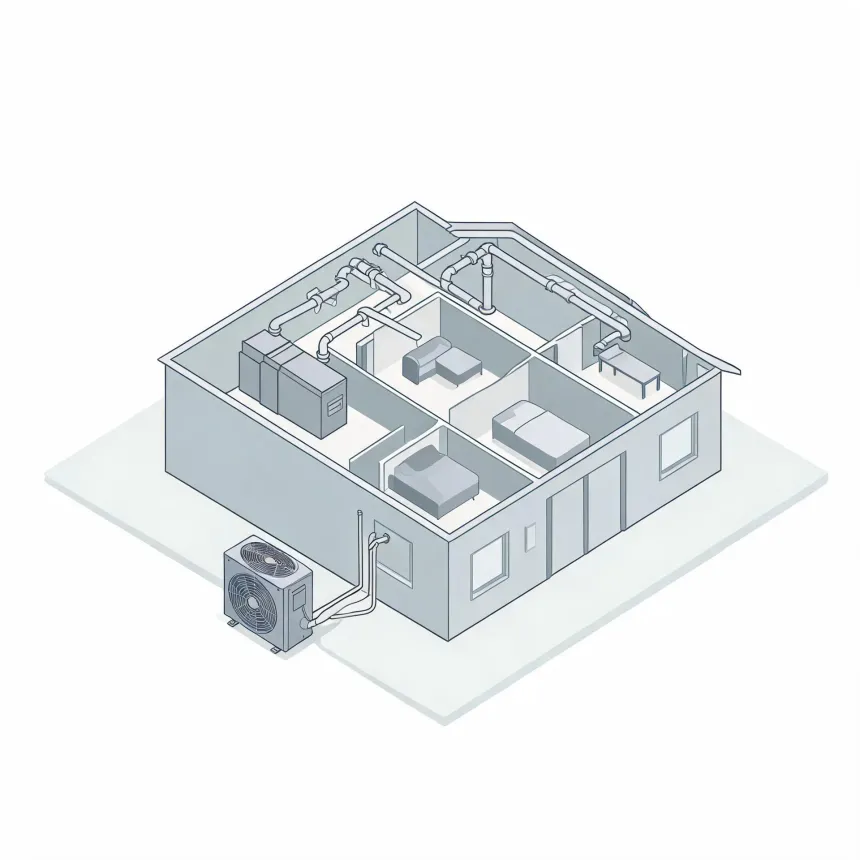
A contractor has to decide whether the heat pump runs alongside the existing furnace or replaces it outright. That decision shapes the ductwork, the thermostat setup, and how the two systems hand off to each other through the winter.
NOAA nClimDiv, 1991–2020 normals
Story County gets hail, high wind and the occasional tornado, with 234 severe weather events logged between 2015 and 2024.
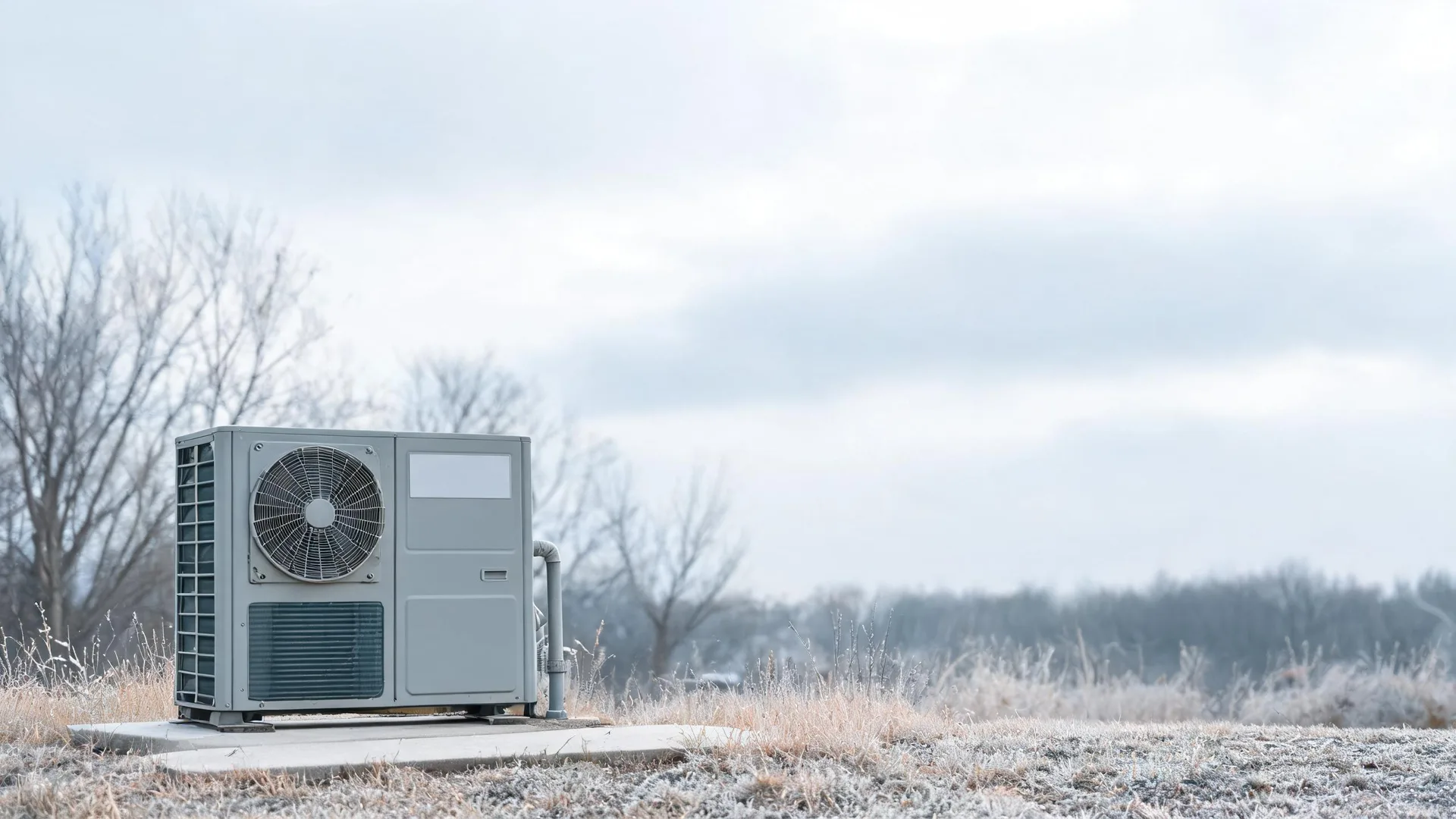
A heat pump installed here needs a standard, properly secured outdoor unit, not an oversized or specialty one.



A standard size, properly matched heat pump handles a Story County home without needing to go bigger or spend more. Electricity here runs 13.63 cents per kilowatt-hour, cheap enough that running the heat pump's compressor and fan doesn't demand an oversized unit to keep the bill down. Sizing still has to match the house, the square footage, the insulation, the layout, not the weather extremes. Going bigger than the home calls for means a unit that short cycles, switching on and off more than it should instead of running a steady stretch. A contractor who does a proper load calculation will land on a standard unit sized to the house, and that's the one that lasts.
Any heat pump installed in Story County has to clear a federal minimum: at least 14.3 Btu of cooling for every watt-hour it uses, at least 7.5 Btu of heating for every watt-hour, the standard for this zone. That floor rules out whatever doesn't meet it. A contractor working here can walk you through which units clear it and fit your house.
Find a contractor
Heat here runs October through May, about eight months of the year. Cooling only picks up in June. A heat pump has to carry both jobs, so it's working most months there isn't snow on the ground and plenty where there is. September is the natural month to get one in, before the first cold mornings show up and before any installer's schedule fills with emergency calls. A system put in ahead of October gets tested on milder days first, not during a December night when the low outside is sitting around 14°F and the house needs it to perform.
A heat pump's outdoor unit is built to work with a specific indoor coil, and that coil has to fit the ductwork already running through the house. If the existing ducts are undersized or laid out for a different kind of system, a contractor has to account for that before the unit goes in, not after. That matching work, not the unit sitting outside, is where a lot of the labor and planning goes.
Pulling out an old system and setting a new one on an existing pad with existing line sets and existing ductwork is a different job than running new refrigerant lines, new electrical, and new ducts from scratch. A contractor has to look at the electrical panel too. A heat pump draws power the old furnace never did, and some panels have room for that load and some don't.
That efficiency rating on the label, the one already mentioned as a minimum to clear, isn't a flat promise of what you'll pay. It's a lab number, measured under set conditions, and a heat pump never runs under lab conditions. Run it on a mild afternoon and it'll beat that number. Run it on the coldest night of the year and it'll fall short, because the colder the air outside, the harder the compressor works to pull heat out of it. That's true of every heat pump, not a flaw in any particular one. The rating is still worth comparing between units, since a higher one means the compressor moves more heat per unit of power across a season, but it's a guide for comparing equipment, not a number you'll see on the thermostat.
The outdoor unit sits through 82 damaging wind events and 113 hail events a decade here, plus the ice and blizzards that come with 24 separate winter storms over that same stretch. That's the case for buying a standard, well-built unit over whatever's cheapest. A low-cost unit cuts corners somewhere, and the cabinet, the coil fins, the fasteners holding it to the pad are the first things exposed to a hailstorm or a gust strong enough to rattle a fence. None of that means going bigger than the house calls for. It means picking equipment built to hold up, secured the way a contractor would secure it against wind, and sized from the load calculation, not the weather.