


What winter here does to a heat pump
Story County asks a lot of a heating system. The overnight low averages 14°F across December, January and February, and heat runs about eight months a year here, October through May. That's the question to answer before anything else: not which machine is cheaper on paper, but which one keeps making heat on the nights you actually need it.
A standard heat pump starts falling behind well before it gets to 14°F. Below 40°F its output drops under its rating. Below about 35°F it typically needs backup heat to keep up. Both of those marks sit above the average winter low here, and every one of the roughly 150 nights a year that fall to freezing or below is colder than both. That's over half the nights in heating season. This isn't a machine struggling on a few bad nights a year. It's working under its rating most of the winter.
Seventeen nights a year here drop to 0°F or below. That's under a quarter of the freezing nights, so most cold nights in Story County aren't the extreme ones. But a standard heat pump is already short on capacity well above 0°F, at 40°F and 35°F, long before the air gets that cold.
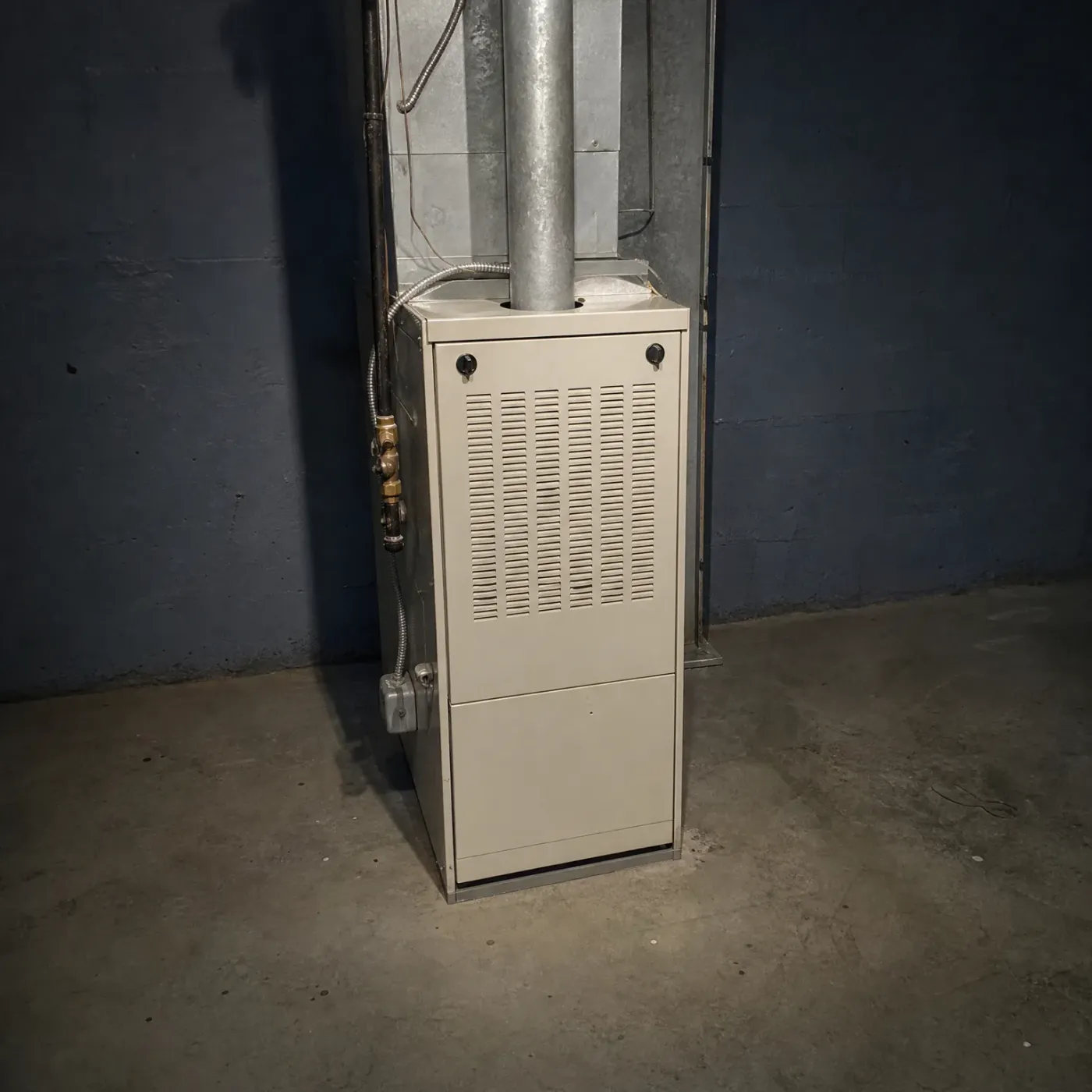
A gas furnace doesn't have that problem. Its output doesn't fall as the temperature drops, so the coldest night of the year gets the same strong heat as the mildest one in October. That's the case for the furnace in a county where half the heating season runs below freezing.
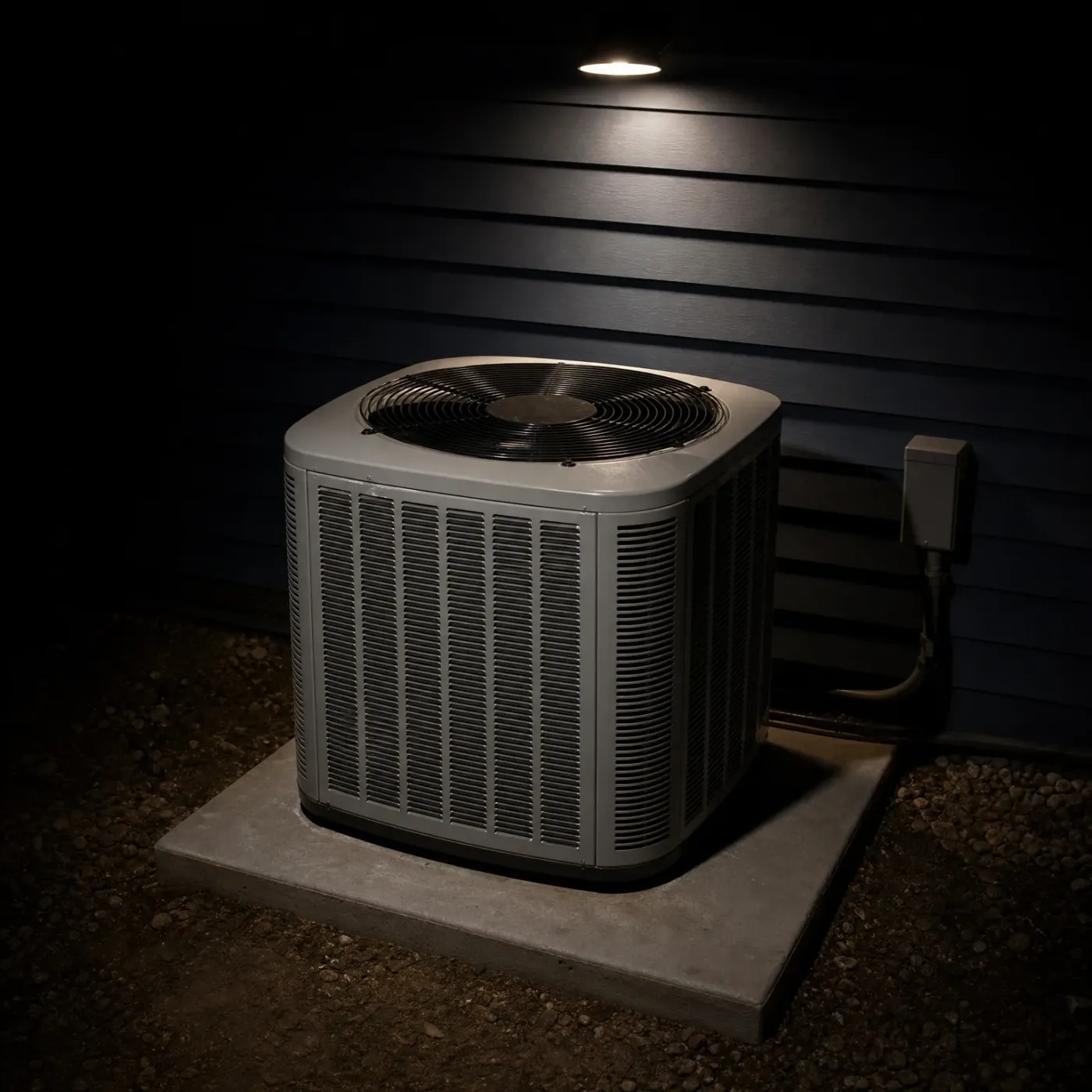
None of this is an argument against heat pumps in general. A cold-climate heat pump, the kind certified to ENERGY STAR's Cold Climate standard, has to prove it still makes 1.75 units of heat for every unit of electricity at 5°F and holds onto 70 percent of its 47°F capacity at that temperature, tested by a third party. Field tests of prototype cold-climate models found backup heat carried only a small share of the load between 0°F and 35°F, and the system ran on backup alone only rarely even at 0°F. That's a different machine from the federal-minimum heat pump priced in the running-cost comparison above.