Eight months of heat
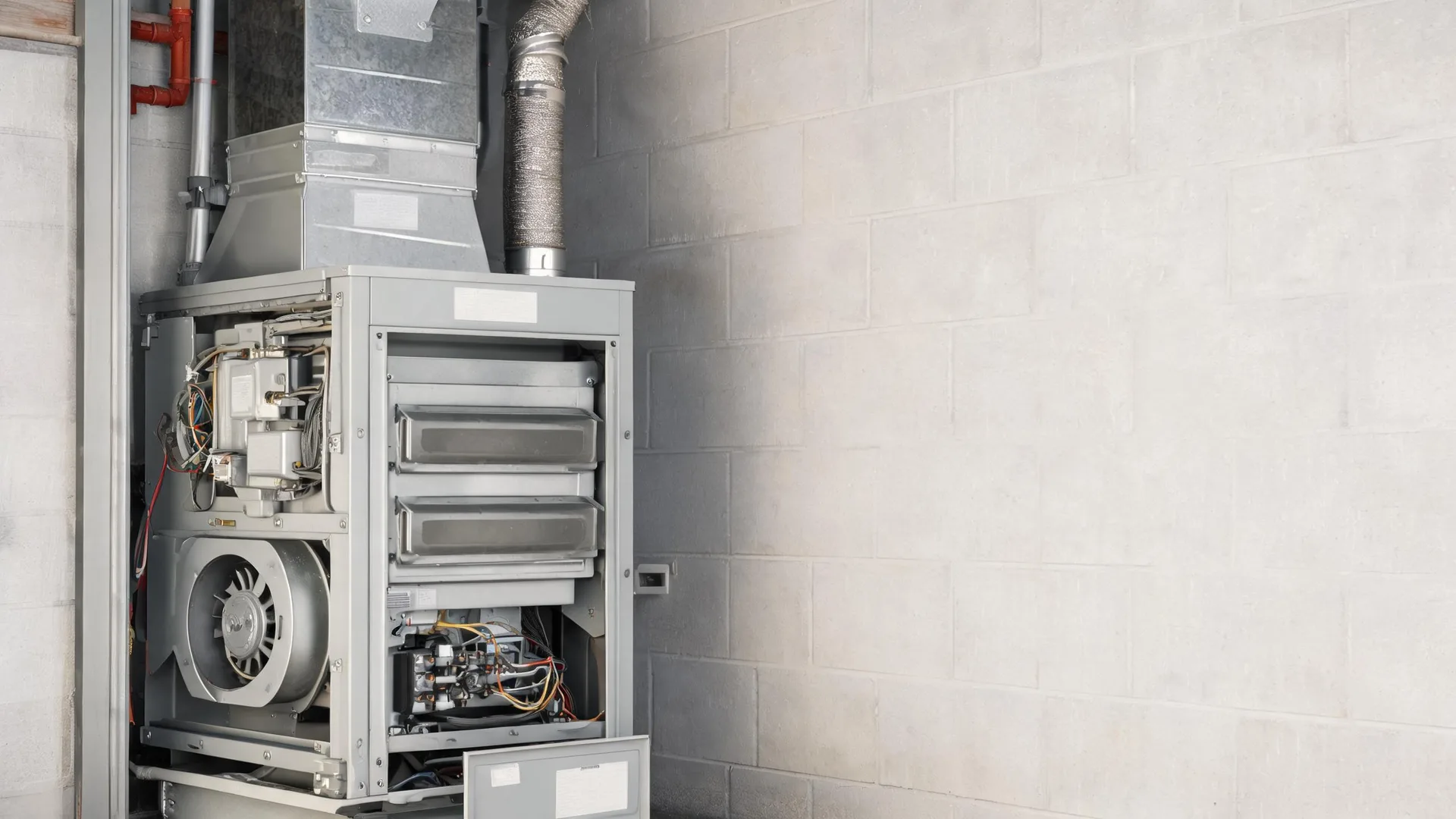
Furnaces in Story County run from October through May. That is most of the year asking the igniter, the blower motor and the heat exchanger to work.
Takes about a minute. No obligation.
Furnaces in Story County run from October through May. That is most of the year asking the igniter, the blower motor and the heat exchanger to work.
A furnace with this many hours on it wears parts sooner, so a repair call here is often more than a quick reset. Get the actual cause diagnosed instead of just clearing the symptom, so the fix holds.

NOAA nClimDiv, 1991–2020 normals
An igniter wears out from switching on and off every single heat cycle, not from age on the calendar.
A furnace that short cycles all winter puts more wear on that igniter than one running the same months at a steady pace.


If your furnace came in when the house was built in 1984 or later, it hasn't put in the decades of hard winters some of its neighbors have. That matters when a repair bill shows up and the question is whether to fix it or replace it. A newer furnace is still well within its working life, and a broken igniter or a failed control board on a system like that is almost always worth fixing. Ask whoever comes out to look at it how old the unit actually is before you decide anything. That one number tells you more than how the house looks from the street.
Eight months of heat a year doesn't leave much room for a part to fail quietly. Get the furnace looked at and the actual cause found, so whatever's wrong gets fixed instead of patched.
Find a contractor
A furnace usually tells you something before it quits outright. It might take a few tries to light, or you'll hear the igniter click over and over without catching. The blower can start making a rattle or a squeal it didn't have before, especially right when it kicks on or shuts off. Some furnaces start blowing air that isn't as warm as it used to be, which points to a flame sensor that isn't reading right or a burner that isn't firing clean. A yellow flame instead of blue is worth paying attention to, not ignoring. Short cycling, where the furnace fires up and shuts off again before the house actually warms, usually means a sensor or limit switch is cutting power too soon. Any burning smell that doesn't fade after the first few minutes of a run, or a smell that comes back every time it kicks on, is a reason to shut it down and get it looked at rather than wait and see.
Heat makes metal expand, and a hairline crack opens wider under that stress each cycle. Left alone, a small crack becomes a path for exhaust gas to mix with the air moving through the house. This is one case where running the furnace while a problem exists is not just risky, it actively grows the damage.
When a blower motor struggles, the strain backs up through the circuit that drives it. A control board built to run a healthy motor can burn out trying to push a dying one. What starts as a motor repair turns into replacing the board too if the furnace keeps running on it.
Estimates for a typical Story County home, compared with an older unit built to the previous federal minimum, from EIA household energy data, Iowa fuel prices and NOAA climate normals. Your home will differ.
Repair makes sense when one part has failed and the heat exchanger is sound.
Replacement makes sense when the heat exchanger is cracked or the furnace keeps needing parts.
Not every failing part means a new furnace. A cracked heat exchanger is the one repair that usually ends the conversation, since it means replacing the core of the unit anyway. Most other failures aren't that. An igniter, a flame sensor, a blower motor, even a control board, these get replaced on their own all the time without touching the rest of the system. The question worth asking is whether this is the first repair this furnace has needed or the third one in two winters. A unit that keeps coming back for different reasons is wearing out generally, not failing in one spot, and that pattern matters more than any single part that broke.