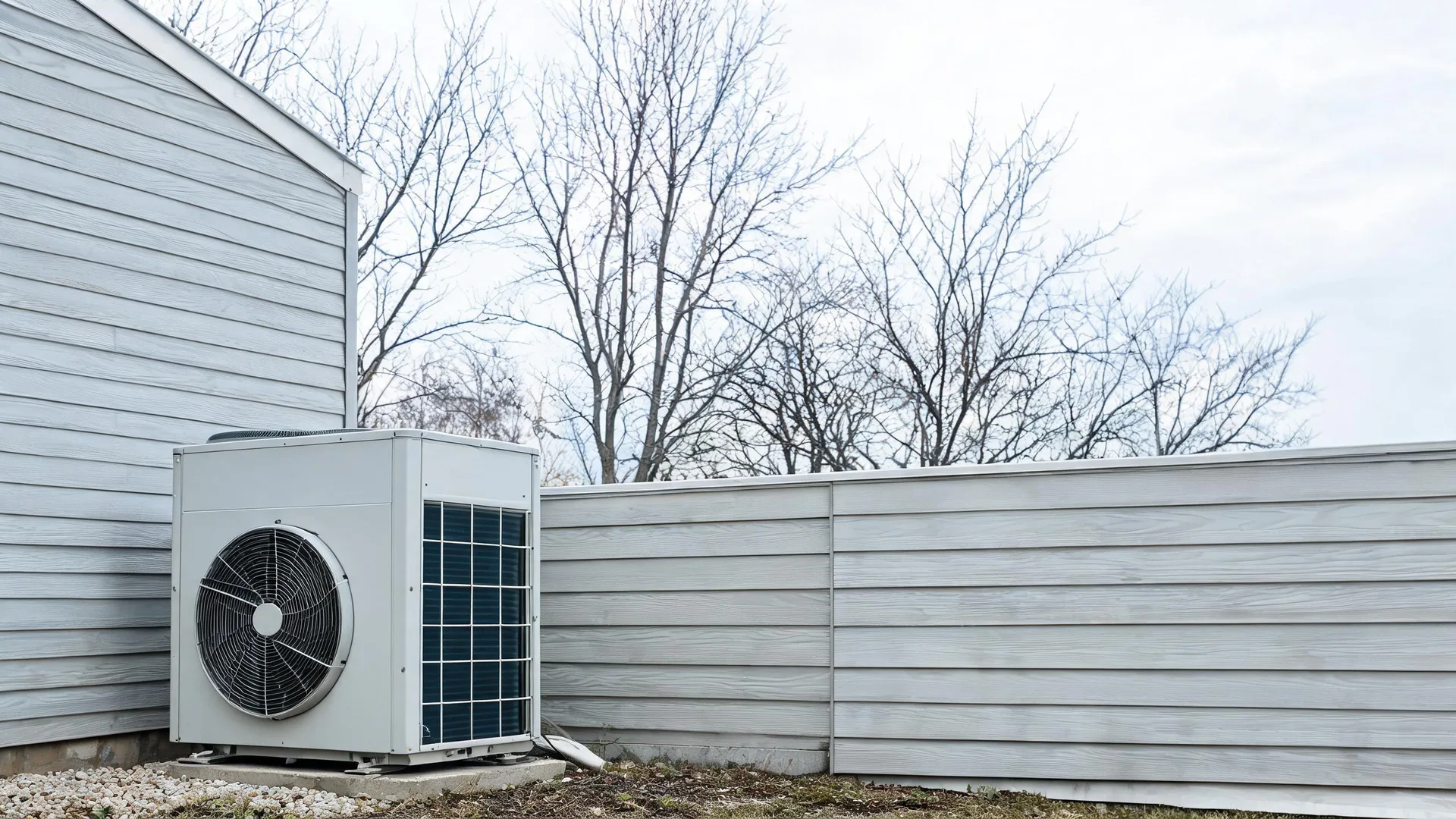
Power here costs more than the average
Electricity in Dickinson County ran about 15.32 cents per kilowatt-hour in 2025. A heat pump runs on electricity for both heating and cooling, so that rate applies to the system all year.
Takes about a minute. No obligation.
Electricity in Dickinson County ran about 15.32 cents per kilowatt-hour in 2025. A heat pump runs on electricity for both heating and cooling, so that rate applies to the system all year.
Two heat pumps can heat and cool the same house and use different amounts of electricity doing it. At this rate per kilowatt-hour, the difference between a well-matched system and one that struggles shows up on every bill, not just a few.
NOAA nClimDiv, 1991–2020 normals
Dickinson County took 72 damaging wind events and 40 winter storms between 2015 and 2024.
A heat pump installed here has to hold up through weather most systems never see.




Dickinson County falls in climate zone 6A, a cold zone with a long heating season. Any split-system heat pump installed here, if built from 2023 on, has to meet a federal floor: at least 14.3 Btu of cooling for every watt-hour it draws over the summer, and at least 7.5 Btu of heat for every watt-hour over the winter. That floor narrows what a contractor can install. It also means two systems that both clear the minimum can still land far apart in what they use once they're running flat out in January. The rating tells you what's allowed on the market. It doesn't tell you which one is the right size for your house.
A heat pump that matches your house uses less power to do the same job, all year. At this rate per kilowatt-hour, that difference is worth getting right before it's installed, not after.
Find a contractorAsk what the system is rated to do at the coldest temperatures it will actually face, not just at mild ones. Every heat pump loses heating capacity as the air outside gets colder, but the rate of that loss is not the same across systems. A single-stage unit runs at one speed and leans hard on backup heat once the outdoor temperature drops. A variable-speed compressor adjusts its output to match the load, so it can keep pulling heat from cold air long after a single-stage unit has handed the job off to strip heat or a furnace. Ask what the backup heat source is and when it kicks in. Ask whether the outdoor unit has a base pan heater, since ice buildup on the coil during defrost cycles is one of the more common winter complaints. Ask how the contractor sized the system. It should come from a load calculation on the house itself, not a guess based on the old equipment or the square footage alone. An oversized unit short cycles, meaning it turns on and off more than it should, which wears the compressor and leaves the air clammy because it never runs long enough to pull moisture out. An undersized one runs constantly and still can't keep up on the coldest or hottest days. Ask about the sound rating too, since the outdoor unit sits right outside a window or a patio for years to come.
The price of a heat pump installation covers more than the box on the pad outside. Labor to run new line sets or rework existing ones, electrical work if the breaker panel needs a dedicated circuit for the outdoor unit, and modifications to the indoor air handler or ductwork all factor in. A straightforward swap where the old equipment matches up well costs less than a job where the refrigerant lines need replacing or the electrical service needs upgrading to handle the new unit.
A single-stage compressor costs less to install than a variable-speed one. Variable-speed compressors adjust their output instead of running at one fixed speed, which means more electronics and a more complex control board. That complexity costs more up front. It also means the system can hold a steadier temperature and run longer at lower output instead of cycling on and off, which is part of what a buyer is paying for when they choose one system over another.
Sizing a heat pump starts with a load calculation, a room by room look at how much heat the house loses in winter and gains in summer. That number comes from the walls, the windows, the insulation, how the place is oriented, not from what the old equipment happened to be. A unit sized off square footage alone, or matched to whatever was there before, can land far from what the house actually needs. Too big and it short cycles, blasting the space to temperature and shutting off before it ever pulls the moisture out of the air, so the house feels cool but clammy. Too small and it runs flat out and still can't keep up when the temperature swings hard in either direction. The right size is the one that runs long, steady cycles on the coldest and hottest days of the year, not the one that looks most powerful on paper.
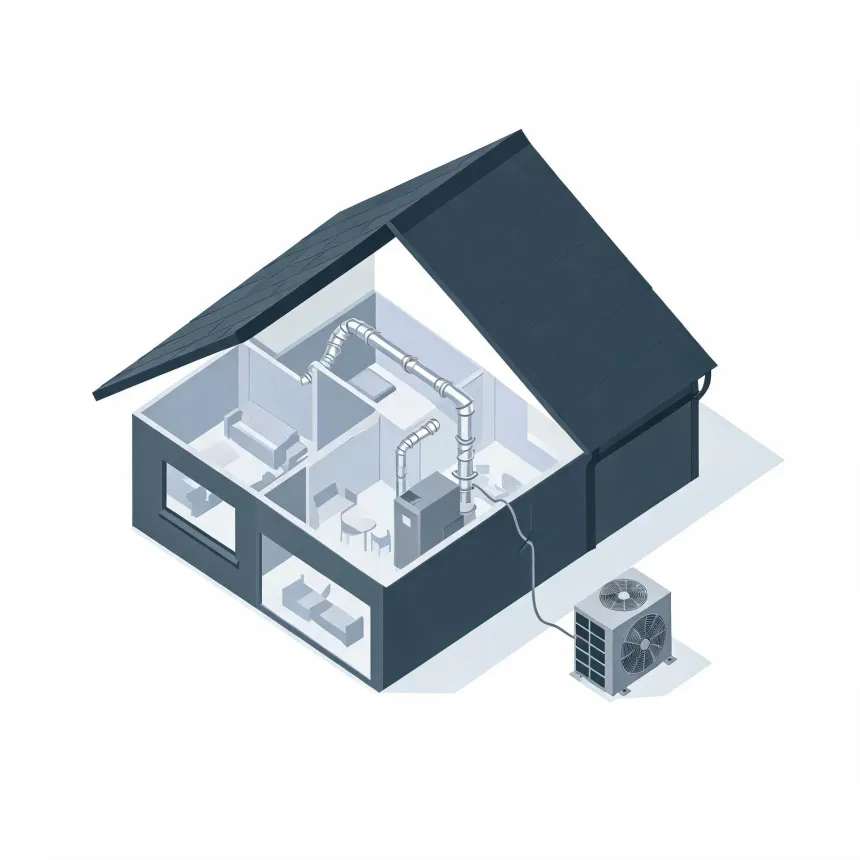
Installation day starts outside, not in. The crew sets the new outdoor unit on its pad and runs the line set to the indoor air handler or coil, brazing those copper lines and then pulling a vacuum on the whole system to clear out air and moisture before any refrigerant goes in. A system charged over moisture or trapped air never runs right, so that vacuum step gets checked, not guessed at. Indoors, the air handler or coil gets tied into the existing ductwork, and the electrical work gets finished, often a dedicated circuit back to the breaker panel for the outdoor unit. Once it's charged and powered, the technician runs it through both modes, heating and cooling, and checks the refrigerant charge against the manufacturer's numbers rather than just feeling if air is cold. The last part is the one most owners skip past: settings on the thermostat, how defrost cycles work, when backup heat kicks in. A heat pump behaves differently than a furnace or straight AC, and knowing what it's doing on a cold morning saves a confused call later.