




A tall trimmed hedge runs along a mown lawn in front of a row of dark-sided townhouses with brown shingled roofs, framed by leafy tree branches under an overcast sky.

Heat Pump Installation in Independence, IA

Tell us about the job

Takes about a minute. No obligation.

New system or replacementHeat PumpBuchanan County, IA
Step 1 of 2

What ZIP code is the job in?

Electricity here ran 14.25 cents per kilowatt-hour in 2025. A heat pump moves heat instead of burning gas to make it, so every degree of lift or drop draws on that rate all season. Summers add their own load. The dew point averages 62°F across June, July and August, heavy enough that the system is pulling moisture as much as it's cooling air. A unit that struggles to do both runs longer to get the same result, and longer runtime at this rate shows up on the bill. How well the equipment is sized and installed decides whether that cost stays reasonable or creeps up.

8 months
October through May, your system heats
3 months
June through August, it cools
13°F
the average winter night it heats against
81°F
the average summer afternoon it cools against
Isometric cutaway illustration of a single-story house showing interior rooms with ductwork, an indoor air handler unit, and an outdoor condenser unit connected by lines along the exterior wall.
Your system heats October through May and cools June through August.

NOAA nClimDiv, 1991–2020 normals

Most homes in Buchanan County heat with gas.

A heat pump replacing that setup is new ground here, so sizing and installation matter even more.

Eight months of heat, three of cooling: get it installed before October asks something of it

Cooling runs June through August
Heat runs October through May
93 damaging wind events from 2015 to 2024

Get the install right and the running cost takes care of itself

Sizing and installation are what decide whether that rate works for you or against you. A contractor who sizes this heat pump to the house, and installs it the way the manufacturer specifies, is the only way to know the system runs the way it's rated to.

Find a contractor
A gray heat pump outdoor unit mounted on a concrete pad next to the stone-accented exterior wall of a house.

This house was built for a different kind of heat

Half the homes in Buchanan County were built in 1973 or earlier. A house that age wasn't built with a heat pump in mind, because gas furnaces were the standard. The ductwork was sized for that furnace, and a furnace moves air differently than a heat pump does. None of that rules out a heat pump. It means the install has to account for the house instead of treating it like new construction. A system sized off square footage alone, without a look at the ductwork and the walls it's actually heating and cooling, can end up running longer than it should to hold the temperature steady.

Load calculation comes first

A contractor sizes a heat pump by figuring the actual heat loss and heat gain of the house, room by room, not by matching tonnage to square footage. That calculation also drives what else the job needs: whether the ductwork can handle the airflow a heat pump moves, whether a line set has to be run, whether the electrical panel can take the new circuit. All of that is priced into the job before a unit is ever chosen.
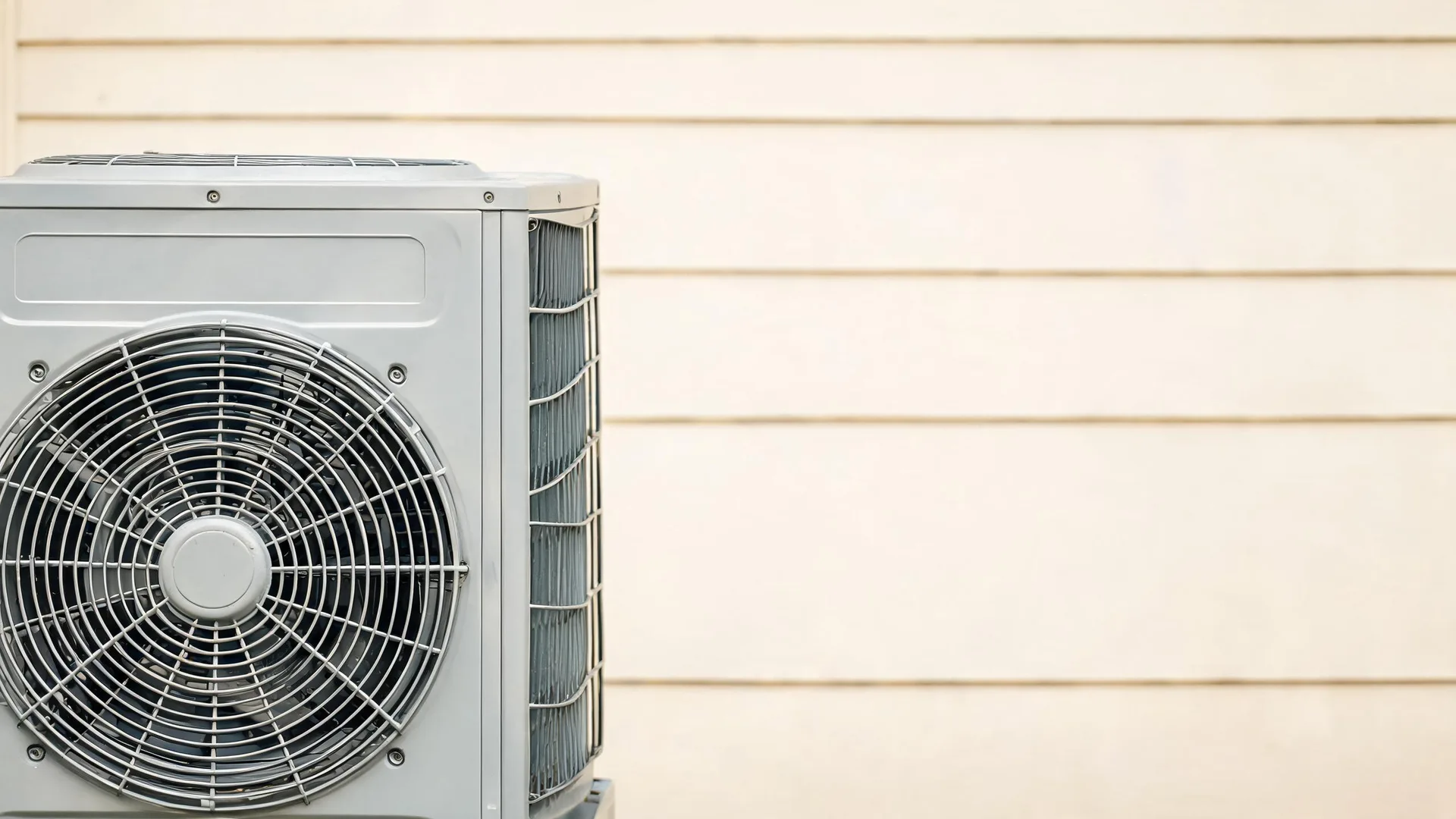
The install decides how the equipment performs

Two homes can buy the same unit and end up with different results. Refrigerant charge has to be set exactly to spec, the airflow across the coil has to match what the unit is designed to move, and the ductwork has to deliver that air without choking it off. A heat pump installed to those specs runs the way it's rated to. One that isn't will run longer and work harder to do the same job, no matter how good the equipment is.

The old system doesn't get reused. A heat pump moves refrigerant through a sealed line set at a specific charge, built around that unit's coil and compressor, so it can't be spliced onto whatever is already in place. If a gas furnace is being replaced, the furnace and its venting come out, and if there's a chimney liner serving only that furnace, it gets capped or removed too. An old condenser or line set left behind is more than clutter. Old refrigerant lines are often the wrong diameter for the new system, and reusing them risks oil and debris contaminating the new charge. A contractor pulling the old equipment should also confirm the gas line is properly capped if nothing else in the house still uses it, and clear the area where the old unit sat so the new coil and air handler have the clearance they need.

Install day starts before anyone touches the old equipment, with a walkthrough to confirm what was priced out matches what's actually there. The outdoor unit gets set on a pad, leveled, with clearance on all sides for airflow. Indoors, the air handler or coil goes in, the line set gets run and brazed, then pressure tested before anything is charged. A tech pulls a vacuum on the line set to clear out moisture and air, because either one left in the system will corrode the coil or throw off the charge over time. Once that holds, refrigerant goes in to the exact weight the manufacturer specifies, not by feel. The electrical hookup, the thermostat, and a full system test come last, checking airflow at the registers and temperature split before anyone calls the job done.