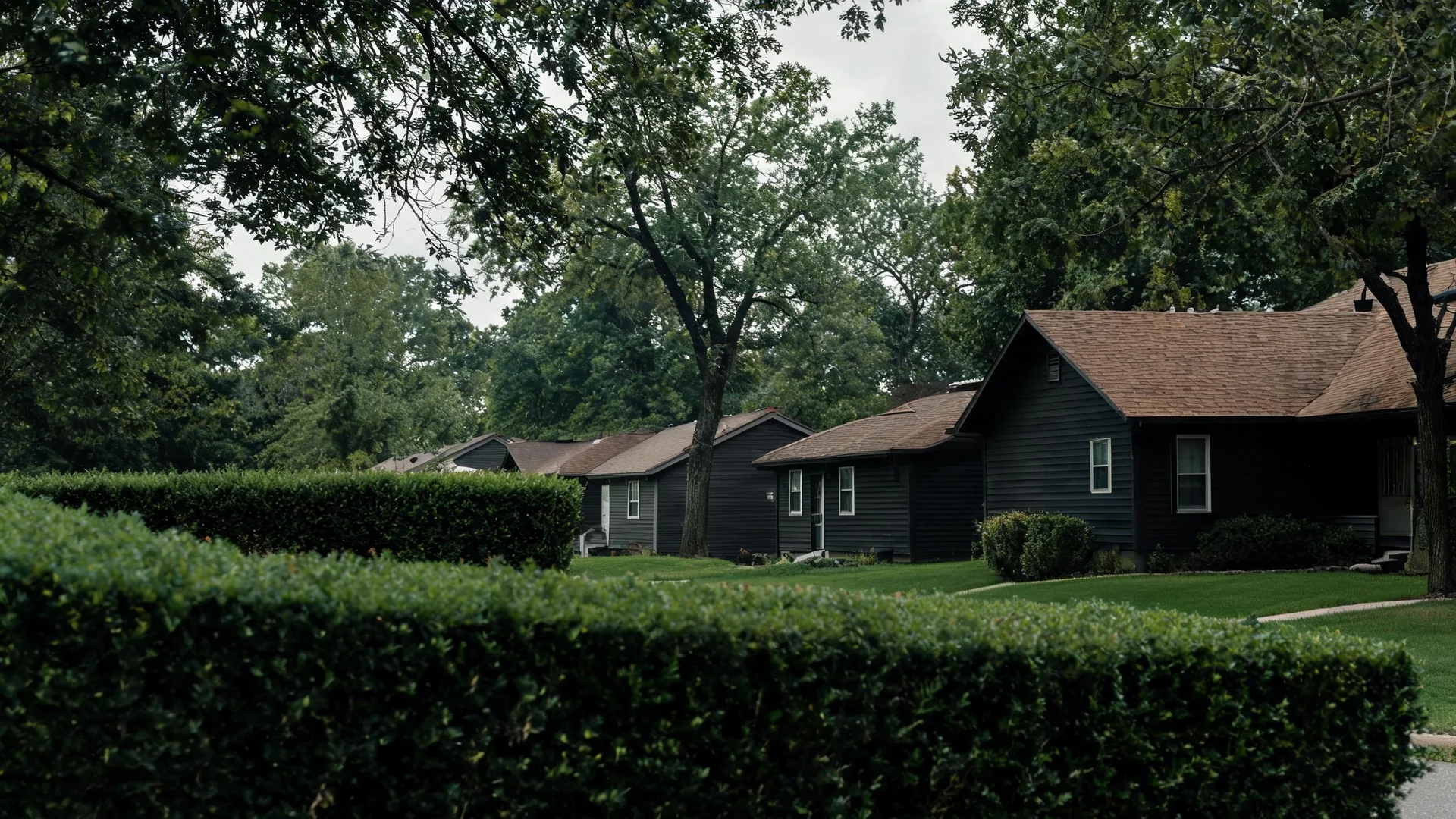






A row of dark-sided houses with brown shingled roofs behind trimmed hedges, lawn, and large deciduous trees under an overcast sky.

Heat Pump Installation in Carroll, IA

Tell us about the job

Takes about a minute. No obligation.

New system or replacementHeat PumpCarroll County, IA
Step 1 of 2

What ZIP code is the job in?

Gas heats 58 percent of homes in Carroll County, more than any other fuel. Electricity is next at 23.6 percent, with LP gas making up most of the rest. If your house is part of that majority, you're likely looking at a heat pump paired with your existing gas furnace rather than a system that replaces it outright. The heat pump handles the mild stretches of spring and fall, and the furnace takes over when temperatures drop hard, which is a setup a contractor can size around what's already in place.

8 months
October through May, your system heats
3 months
June through August, it cools
14°F
the average winter night it heats against
82°F
the average summer afternoon it cools against
Isometric line illustration of a cutaway single-story house showing interior rooms with ducted air distribution, an indoor air handler, furniture, and an outdoor condenser unit connected by lines outside the wall.
Your system heats October through May and cools June through August.

NOAA nClimDiv, 1991–2020 normals

Heat here starts in October.

Get the heat pump in before September and the changeover happens when you choose, not during the first cold snap.

Half these houses were built before anyone thought about a heat pump

Half the homes here were built by 1964
23 winter storms from 2015 to 2024
Winter nights average 14°F
Built for a hard winter, not a mild oneZone 5A means heating is the bigger job here, and a standard heat pump is sized for that.

Electricity in Carroll County runs 11.67 cents per kilowatt-hour, well under what a lot of the country pays. That matters because a heat pump paired with a gas furnace still handles spring and fall on electricity alone, and some homes run it through part of winter too. A standard efficiency unit keeps that electric share of the bill reasonable without needing a pricier high-efficiency model to make the math work. There's no local reason to chase a bigger unit or a higher tier here. The sizing question is about your house and the winters it has to meet, not about the price of power.

A new system here has a minimum to clear, and a credit waiting if it does

Any split-system heat pump installed here has to clear federal minimums set for this climate, 14.3 for cooling and 7.5 for heating. That's the floor a contractor is building from, not a target to beat. A system that clears it and is sized to your house qualifies for the federal tax credit, which brings down what installing one actually costs you.

Find a contractor
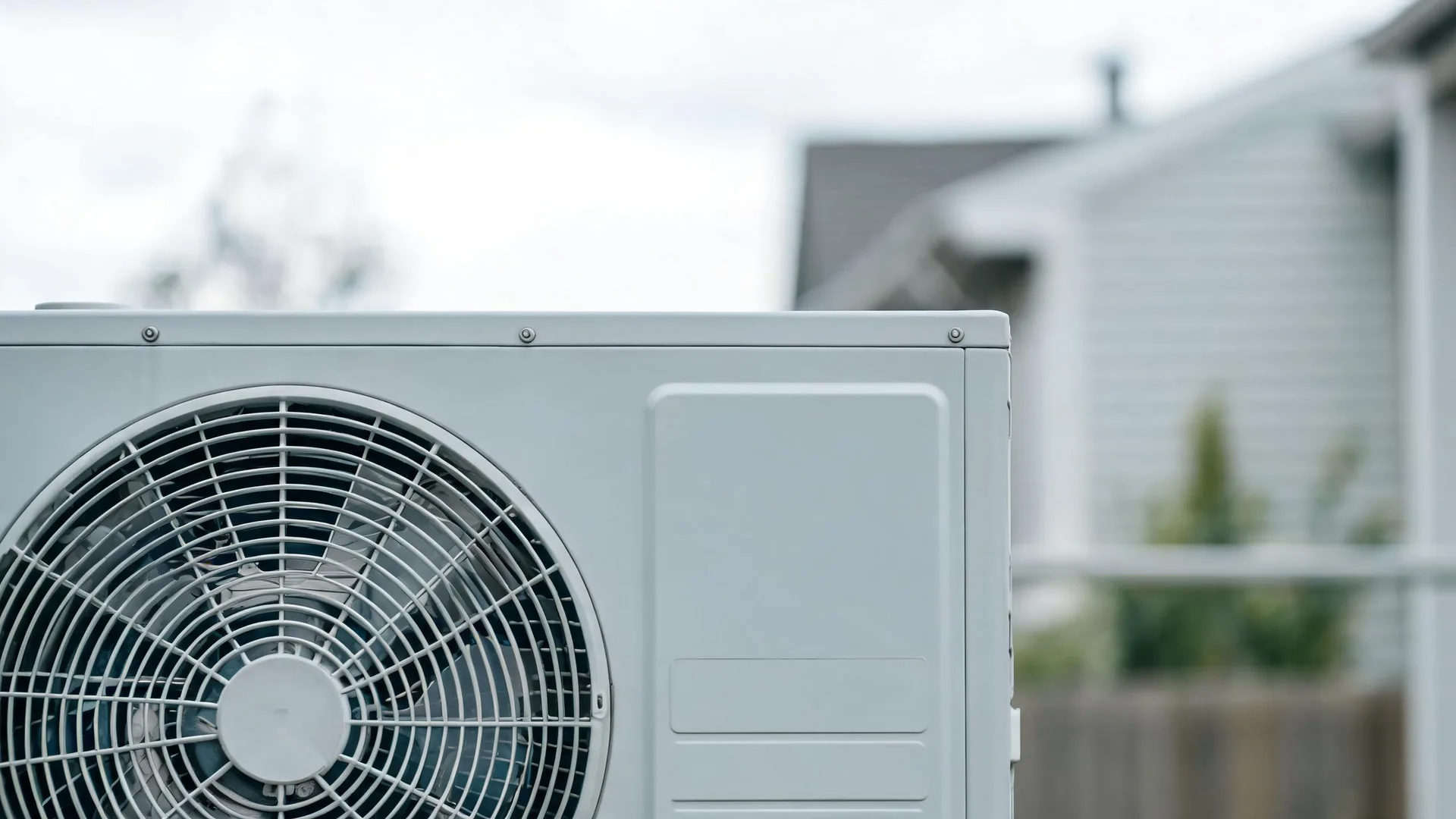
A residential heat pump outdoor unit mounted on a concrete pad next to a house with gray vinyl siding.

Half these houses have been standing since 1964 or before

A heat pump runs on a daily cycle, on in the morning, off at night, on again, for as many years as it's in the house. In a house built in 1964 or earlier, that cycle is running through wiring and ductwork that were never sized with a heat pump in mind. That doesn't mean the system won't work. It means a contractor has to check the panel, the duct runs and the spot for the outdoor unit before sizing the install, rather than assuming your house matches the one next door. Get that check done and the system runs the way it's supposed to, day in and day out. Skip it and the mismatch shows up later, as a room that won't heat or a panel that can't carry the load.

The outdoor unit and the ductwork decide the job

An outdoor unit needs clearance on all sides and a solid, level pad to sit on, so where it lands against your house affects the work before anyone touches a wire. If the home already has ducts, a contractor checks whether they're sized to move the air a heat pump puts out, which runs longer and steadier than a furnace blast. Ducts that are too small or leaky can mean sealing or modifying runs before the new system ever gets switched on.
A dual-fuel setup adds a second decision

Pairing a heat pump with an existing furnace means installing a control that decides when each one runs, not just mounting the outdoor unit and calling it done. That control has to be set to switch over at the right outdoor temperature for the equipment involved, and getting that wrong either burns more electricity than it should or leans on the furnace more than it needs to. The labor to wire in that handoff is part of the job, separate from the heat pump itself.

Comparing heat pumps usually turns into comparing efficiency numbers, but that's only part of the decision. Ask what the system is rated for at low outdoor temperatures, not just its best-case output, since that number tells you how much it leans on backup heat when it's working hardest. Ask what refrigerant it uses, since that affects parts availability and service down the road. Ask what the warranty covers on the compressor versus the rest of the unit, because those terms are often different and the compressor is the expensive part to replace. Ask whether the quote includes the control that manages a paired furnace, since that's labor and equipment beyond the outdoor unit itself. And ask what sound rating the outdoor unit carries, since it runs more hours across the year than a furnace or an air conditioner ever did on its own. A contractor who answers these without hesitation knows the equipment. One who only talks efficiency tier is selling a number, not a system.

Installation day starts before anyone touches a tool, with a walkthrough to confirm the outdoor unit location, the duct connections and the electrical path match what was planned. The outdoor unit goes in first, set on its pad and leveled, since everything else ties back to it. Indoors, the air handler or coil gets connected into the existing ductwork, and the line set linking the two halves gets run, brazed and sealed so the refrigerant charge holds. Once the lines are connected, the system gets evacuated to pull out moisture and air before any refrigerant goes in, a step that protects the compressor for as long as the unit runs. The electrical hookup comes next, tying the outdoor unit and any backup heat into a dedicated circuit sized for the load. Last comes startup: checking refrigerant charge, airflow across the coil and, if there's a paired furnace, confirming the control switches between the two the way it's supposed to before anyone calls the job finished.