Gas is the default here
Utility gas heats 60.1% of homes in Marion County. Electricity and LP gas split most of what's left, at 18.8% and 18.2%. A furnace or boiler is what most of your neighbors have running right now.
Takes about a minute. No obligation.
Utility gas heats 60.1% of homes in Marion County. Electricity and LP gas split most of what's left, at 18.8% and 18.2%. A furnace or boiler is what most of your neighbors have running right now.
Install a heat pump and you're adding a system that both heats and cools, running on electricity instead of gas or LP. Whether it replaces your furnace or works alongside it is worth asking about before you decide.

NOAA nClimDiv, 1991–2020 normals
A heat pump sized normally for a Pella home heats and cools it fine.
Nothing about this county calls for oversizing the system or paying for extra capacity you won't use.




Marion County gets its share of severe weather, with 193 events recorded between 2015 and 2024, from wind and hail to tornadoes and winter storms. None of that changes how a heat pump gets sized. Sizing comes from your home's heat loss and heat gain, the same as it would anywhere else in this climate zone. What those storms do mean is worth asking your installer about. Most heat pumps restart on their own once power comes back, and it's worth confirming yours will too.
Half the homes in Marion County were built in 1975 or earlier, half in 1975 or later. Age alone doesn't change what size heat pump a house needs. That comes down to its heat loss and heat gain, and a contractor can work that out for yours.
Find a contractorAsk how the system defrosts itself. Cold coils ice up, and a heat pump clears that ice by briefly reversing itself and running like an air conditioner, which cools the air coming out of your vents for a few minutes at a time. Ask how often that happens and whether the system has backup heat to cover those stretches. Ask about the compressor too. Variable speed compressors ramp up and down to match what the house needs instead of switching fully on and off, and that steadier operation tends to mean less wear over the life of the unit. Ask about sound as well, both the outdoor unit and the indoor air handler, and where each one will sit. A heat pump is doing your heating and your cooling, so it is worth knowing how it behaves in both jobs before you commit to one.
A dual fuel setup keeps the furnace in place and wires it in as backup heat for the coldest days. The heat pump handles the rest of the year. If you're going all-electric instead, the furnace and its gas line or LP line come out, and that's its own project worth asking about separately.
An old outdoor AC unit gets disconnected and hauled off once the heat pump takes over both jobs. If the indoor coil or the line set is being reused, a contractor needs to check it's compatible with the new system before deciding what stays and what gets replaced.
The equipment itself is one piece of the price. Capacity is another. A system sized for a small house costs less than one sized for a larger house with more rooms to condition, and that sizing comes from the heat loss and heat gain calculation, not a guess. Ductwork matters too. If the existing ducts are in good shape and sized right for a heat pump's airflow, they get reused. If they're leaky, undersized, or were built around an old furnace, modifying or replacing them adds real work. Electrical capacity is its own factor, since a heat pump draws more power than a gas furnace did, and some panels need upgrading to handle it. Where the outdoor unit goes, how far the line set has to run, and whether a dual fuel setup is keeping the old furnace wired in as backup all add their own labor on top of the equipment.
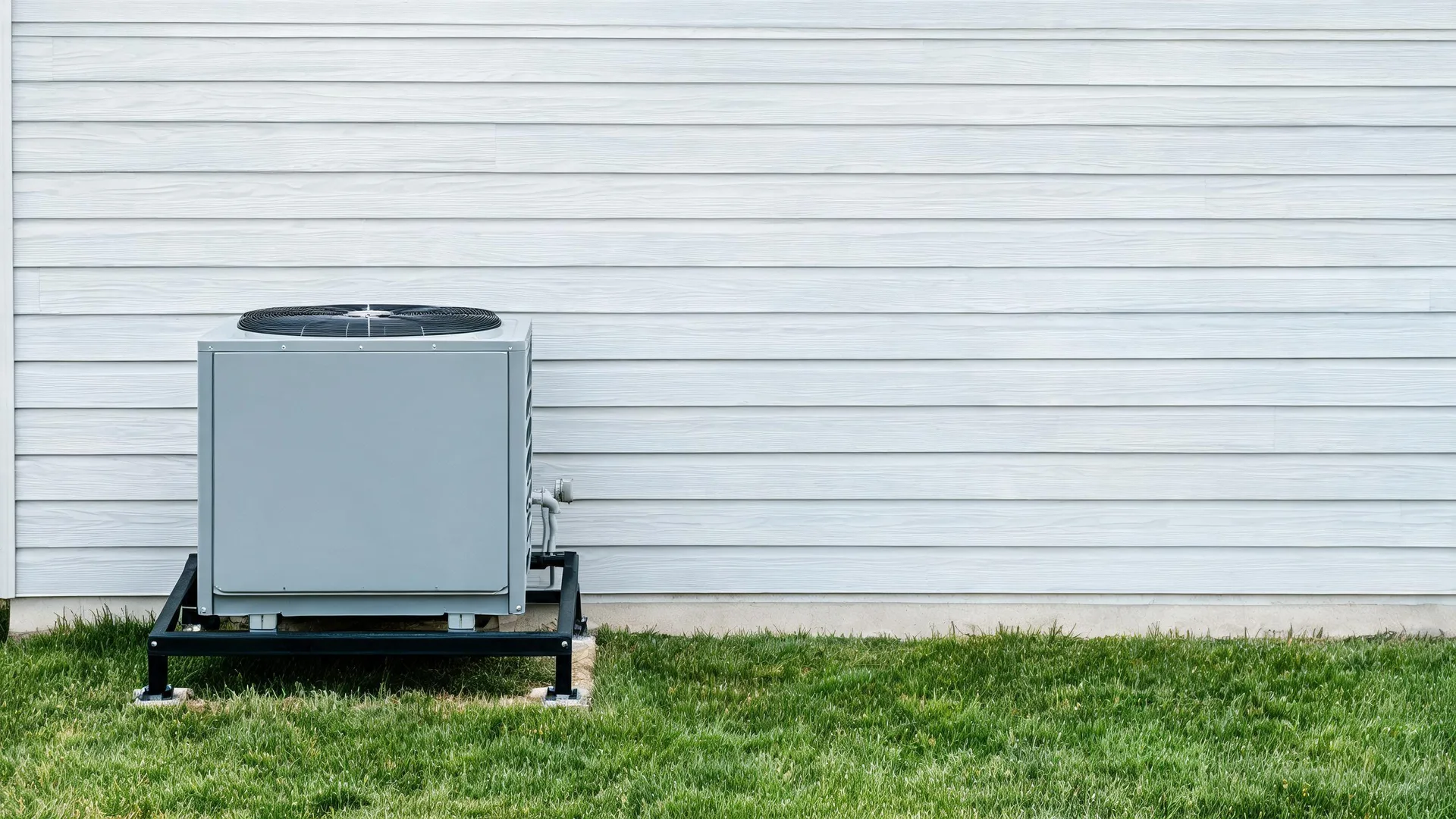
Installation starts with the old equipment coming out, whether that's an air conditioner alone or the air conditioner and furnace both. The outdoor unit goes in on a pad or bracket. The line set connecting it to the indoor coil gets run and sealed, then pressure tested for leaks before anything is charged with refrigerant. The indoor coil goes in above or alongside the furnace if one is staying. Electrical work happens alongside that, a dedicated circuit, a disconnect box outside, sometimes a panel upgrade if the existing one can't carry the load. Once everything is connected, the system gets charged, the airflow gets checked against what the ductwork can actually handle, and the controls get tested through a full cycle, heat and cool both, before the crew leaves. A dual fuel setup adds one more step, wiring the thermostat to switch over to the furnace below a set temperature instead of leaning on the heat pump alone.