Gas heats most homes here
Utility gas heats 70.5% of occupied homes in Pottawattamie County. Most furnaces out there are gas furnaces, not electric ones.
Takes about a minute. No obligation.
Utility gas heats 70.5% of occupied homes in Pottawattamie County. Most furnaces out there are gas furnaces, not electric ones.
Swapping in a heat pump means moving off gas heat, not just replacing a furnace with another furnace. Whoever installs it will need to size it for this house and decide what happens to the gas furnace, keep it for backup or take it out.
NOAA nClimDiv, 1991–2020 normals
Heat here runs October through May, eight months out of the year.
Get a heat pump installed by September, before that first cold month puts it to work.



A standard heat pump, sized the normal way for this house, holds up fine here. Winters get down to 16°F on average overnight, and a correctly sized system is built for that. Nothing about Pottawattamie County pushes you toward a bigger unit or a higher-end one.
Find a contractorHalf the homes in Pottawattamie County were built in 1967 or earlier. A heat pump going into a house that old has to work with whatever ductwork and electrical setup is already there, not what you'd plan from scratch. Before installing, it's worth finding out if your ducts and panel are original or if they've been updated since. That changes what the install involves, not whether a heat pump will keep the house warm.
A heat pump has to be sized to the house, room by room, based on windows, walls and how the place holds heat. A contractor who sizes off the old furnace or a quick walk-through is guessing. Ask to see the calculation, not just the number it spits out.
Every heat pump has a temperature where it starts losing ground against the cold, called the balance point. Below that, something else has to pick up the slack, whether that's electric strip heat built into the air handler or the existing furnace staying in place. Ask what kicks in, and how the system decides when to switch.
Sizing a heat pump isn't like sizing a furnace. A furnace that's too big just short cycles and wastes some gas. An oversized heat pump cools or heats the air fast, shuts off, and never runs long enough to pull moisture out or settle into steady airflow. Too small, and it can't keep up when temperatures drop, leaning harder on backup heat than it should. The sizing comes from a room by room look at the house, how much heat escapes through the walls and windows, how the place is laid out, not from matching the old equipment. Done right, it runs in long, steady stretches instead of short bursts, which is exactly how a heat pump is supposed to work.
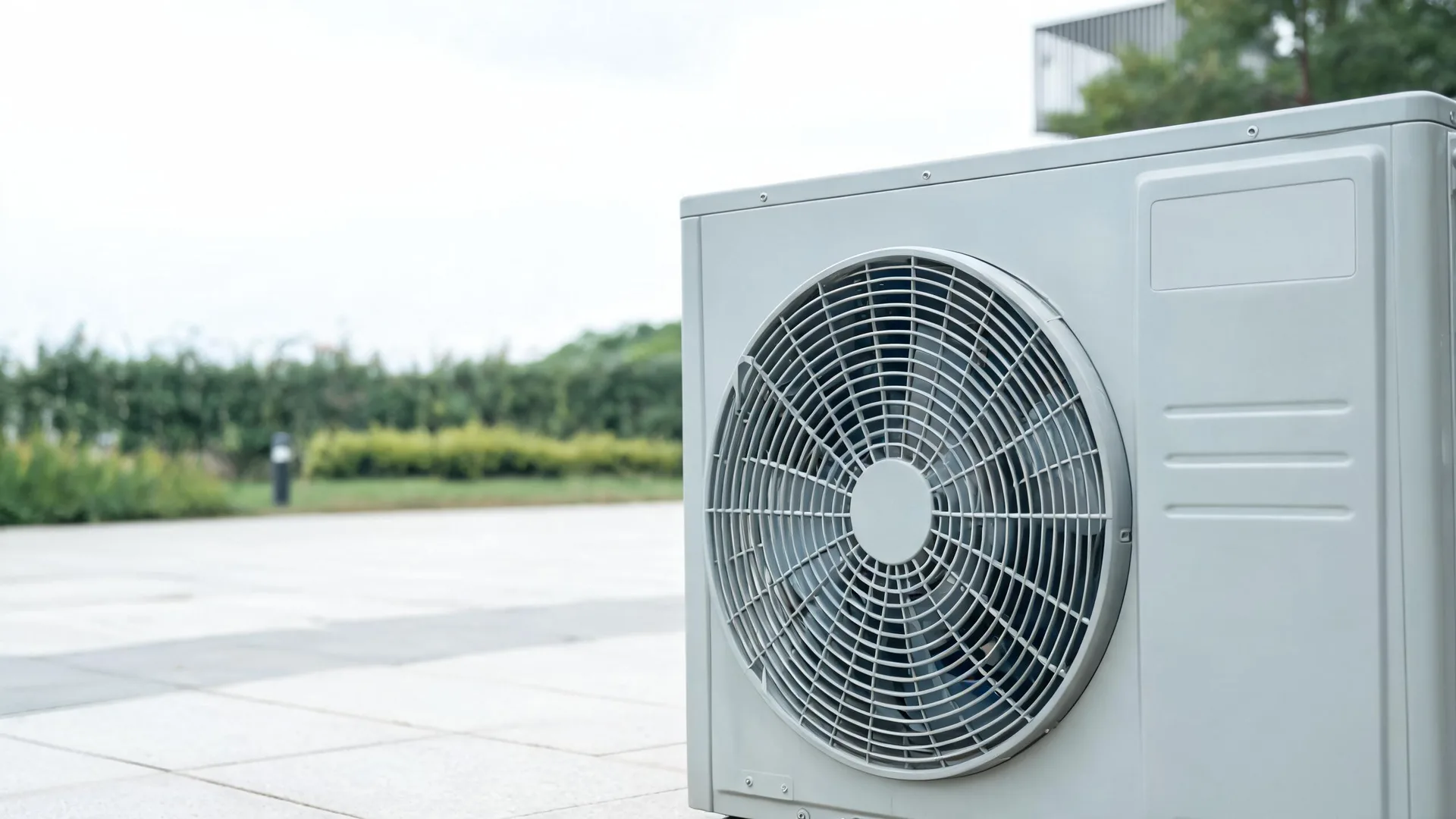
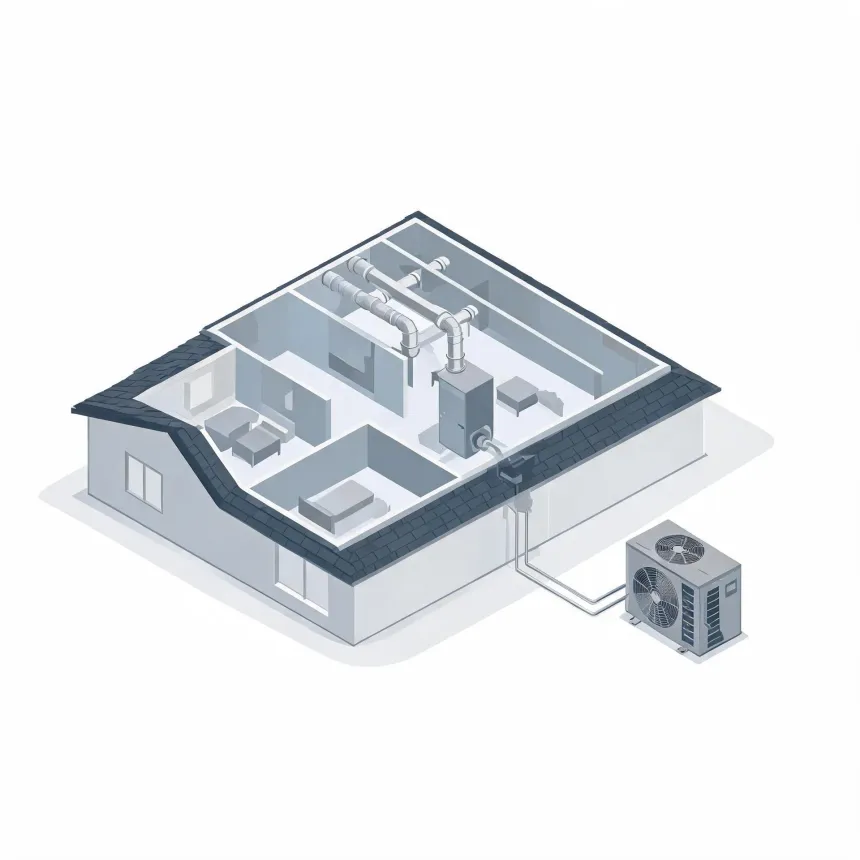
Install day starts outside, with the outdoor unit set on a pad or bracket and the refrigerant lines run to wherever the indoor coil sits. If the old furnace is staying for backup, the installer ties the heat pump into the same ductwork rather than running new trunks. The indoor coil usually goes in above or beside the furnace, in the existing plenum. A heat pump needs its own dedicated circuit. If strip heat is going into the air handler, that needs a second circuit, sized for a bigger draw. Once everything is connected, the system gets charged with refrigerant to spec and run through its paces, checking airflow at the registers and making sure the thermostat is actually controlling the heat pump and the backup heat the way it should. The last step is walking through that thermostat, since a heat pump thermostat behaves differently than the one you had with a furnace alone.