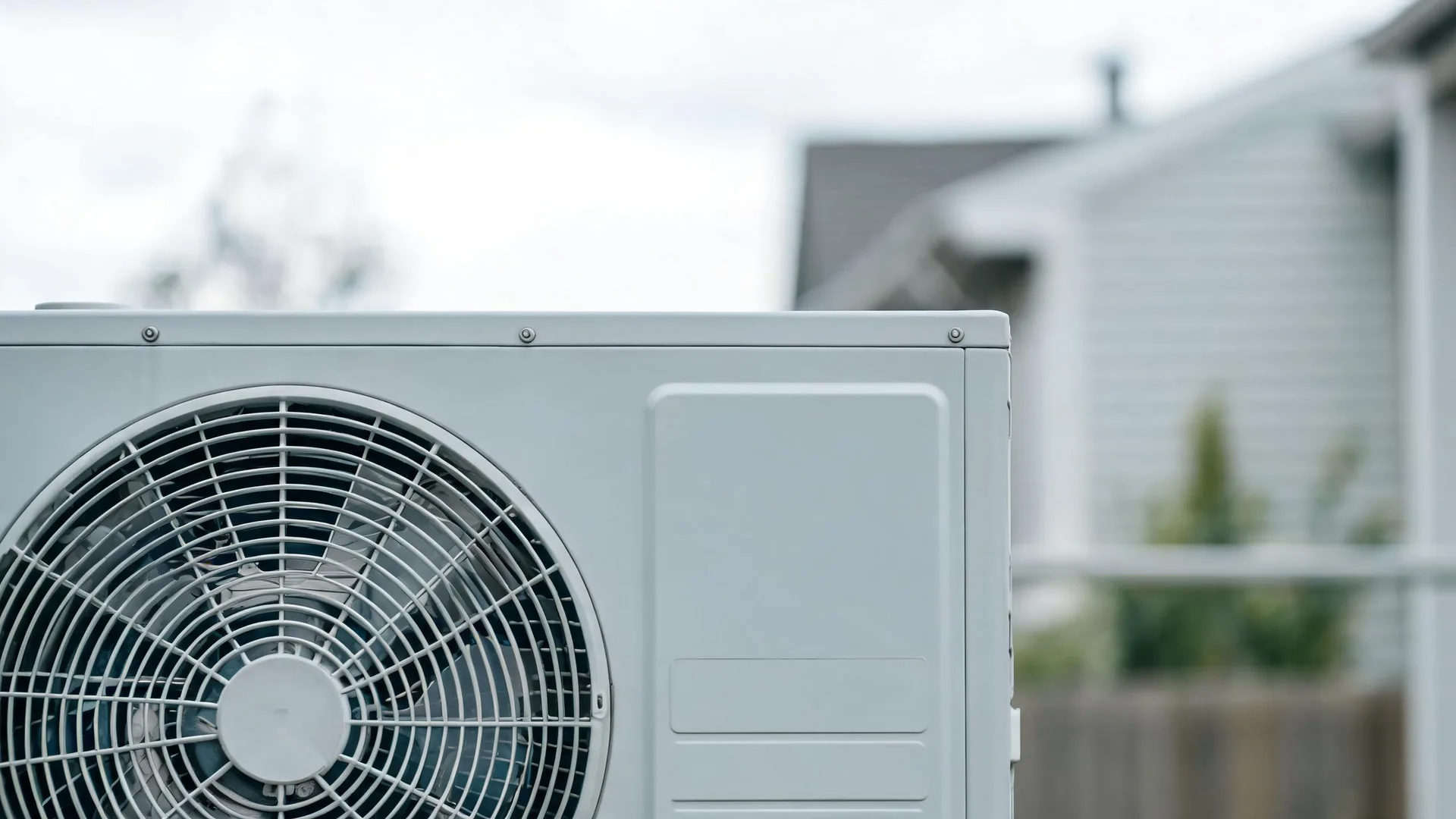
Most homes here heat with gas
Utility gas heats 54.3% of occupied homes in Warren County, with electricity and LP gas splitting most of the rest. A furnace and gas line already in place is the normal setup here, not the exception.
Takes about a minute. No obligation.
Utility gas heats 54.3% of occupied homes in Warren County, with electricity and LP gas splitting most of the rest. A furnace and gas line already in place is the normal setup here, not the exception.
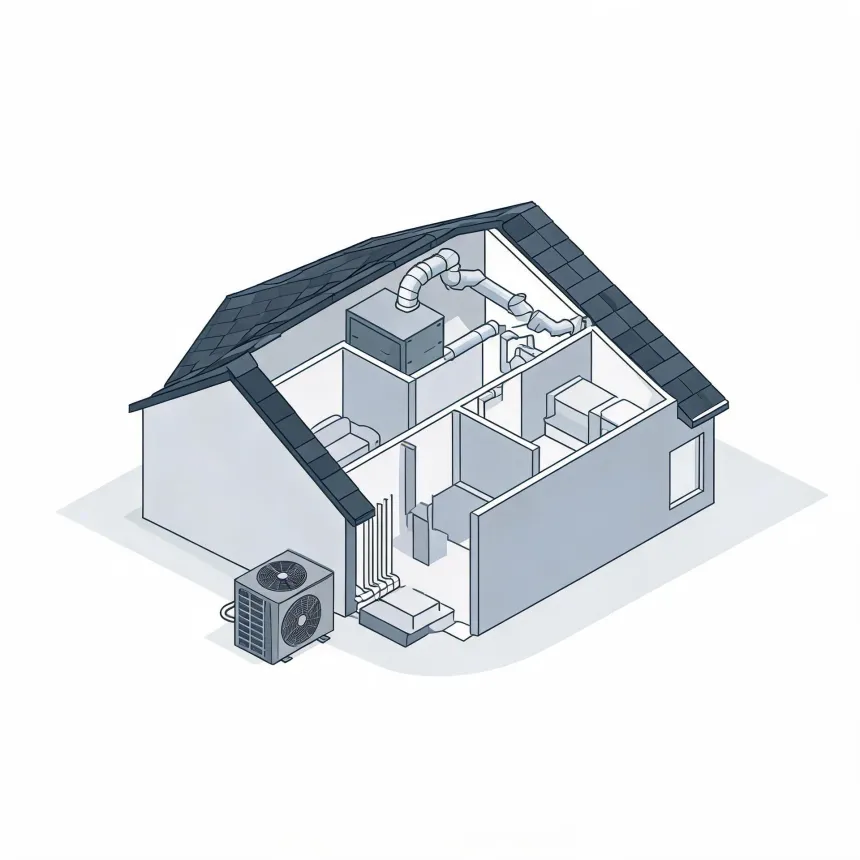
Installed alongside the existing furnace, a heat pump can handle milder days and let the furnace take over when it's coldest. The furnace stays as backup instead of running year round.
NOAA nClimDiv, 1991–2020 normals
Warren County saw 192 severe weather events between 2015 and 2024, with damaging wind and winter storms the most common.
A heat pump installed here needs nothing beyond standard sizing and a normal outdoor unit mounting.




Heat pumps here run nearly year round, not just in summer. Cooling starts in June, but heating starts in October, and that's the bigger stretch at eight months. September is the month to have a new system in, not October. A heat pump installed right before the first cold snap means the contractor is sizing and testing it under pressure, with your furnace as the only backup if something's off. Installed in September, it gets checked and set up while the weather's still mild, and it's already proven out by the time you need the heat.
Warren County falls in climate zone 5A, where winters set the standard. Any split-system heat pump installed here has to meet 14.3 SEER2 and 7.5 HSPF2, the federal minimums for systems built from 2023 on. That's what a licensed contractor is working with when they size your system, not a guess.
Find a contractorSEER2 covers the cooling side and HSPF2 covers the heating side, and both ratings come from testing across a full range of mild and hot or mild and cold days, not one peak temperature. A higher rated unit moves the same heat using less electricity, season after season. What the rating does not tell you is how the system performs on the coldest morning of the year. That comes down to sizing and the equipment's low-temperature output, and neither one shows up on the rating label. A system with the same rating as another can still run differently house to house, depending on the ductwork and how closely the unit was matched to the space. The label tells you what you're buying. How it runs once it's in is a sizing and installation question, and that's on the contractor, not the sticker.
If a heat pump is going in alongside an existing furnace, that furnace stays put and stays wired in. There's no demolition of the old heating system, just new equipment added to work alongside it.
Where a heat pump is replacing an old central air conditioner instead, the old outdoor unit and indoor coil come out. The refrigerant gets recovered, not vented, and the old equipment is hauled off once the new lines and coil are in place.
A load calculation looks at square footage, ceiling height, windows, insulation and how much air the ductwork can move. Homes that look alike on paper can still call for different sized equipment once those numbers are run, which is why a contractor measures instead of matching the old nameplate. Heat pumps add something a furnace doesn't deal with. Output drops as the outdoor temperature drops, so the calculation has to account for the coldest expected day, not an average one. Undersized, the unit runs flat out and still falls behind on the coldest mornings, leaning hard on backup heat. Oversized, it satisfies the thermostat too fast and shuts off before it's pulled the humidity out of the air. Both mistakes show up later, in comfort and in wear on the equipment, which is why the calculation gets done before anything is bought.
Install day starts with the outdoor unit and the indoor coil, and both have to go in before anything gets powered on. The contractor sets the outdoor unit on a pad or bracket, runs the refrigerant lines to the indoor coil, and ties into the ductwork or air handler already in place. Electrical work comes next, since a heat pump needs its own circuit and disconnect separate from the furnace. Once everything's connected, the system gets charged with refrigerant to the manufacturer's spec, not just topped off by feel. Startup testing comes last. The contractor checks airflow at the vents, confirms the thermostat is talking to both the heat pump and the furnace, and runs the system in both heating and cooling mode before calling the job done. A system that skips that last step can seem fine for weeks before a wiring or charge issue shows up.