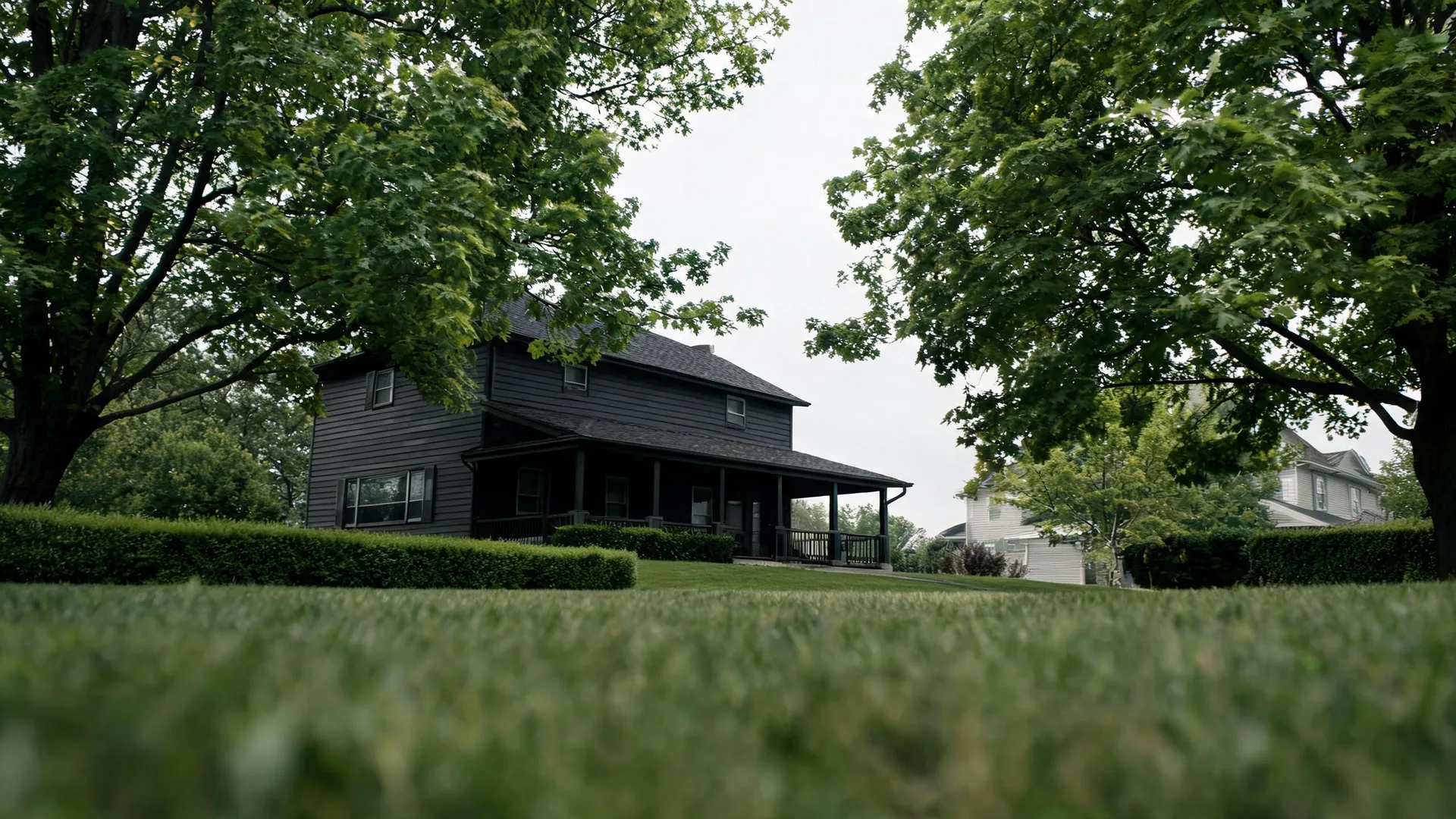






A two-story black house with a covered porch, framed by large deciduous trees and trimmed hedges, photographed from a low angle across a lawn with blurred grass in the foreground.

Heat Pump Installation in Guttenberg, IA

Tell us about the job

Takes about a minute. No obligation.

New system or replacementHeat PumpClayton County, IA
Step 1 of 2

What ZIP code is the job in?

Electricity in Clayton County runs 16.59 cents per kilowatt-hour, more than most counties pay. A heat pump runs on electricity alone, so that rate applies to every hour it works. Summer air here sits heavy too, with dew points averaging 62°F through June, July and August, and pulling that moisture out takes work on top of cooling the air itself. More work means more kilowatt-hours, at a rate already above average. A unit that does that work efficiently keeps more of that cost off your bill than it would somewhere power is cheap.

8 months
October through May, your system heats
3 months
June through August, it cools
13°F
the average winter night it heats against
80°F
the average summer afternoon it cools against
Isometric line illustration of a cutaway house showing interior rooms with furniture, ceiling ductwork under a dark shingled roof, and an outdoor condenser unit connected by lines on the right.
Your system heats October through May and cools June through August.

NOAA nClimDiv, 1991–2020 normals

A heat pump installed in October is starting cold, on the coldest night of the year if the old one quits first.

Get the new system in before September and it's broken in and running right when heat season starts.

Half these homes were built in 1960 or earlier, and the heat pump has to fit the house it goes into

Half the homes here were built by 1960
60 damaging wind events from 2015 to 2024
28 hail events from 2015 to 2024
Most Homes Here Heat With Gas44.3% of homes in Clayton County heat with gas, more than any other fuel

Clayton County sits in zone 5A under the 2021 energy code, a cool zone where the heat pump's winter output matters more than its summer output over a full year. Any split-system heat pump built on or after January 1, 2023 has to clear a federal floor to be installed here: at least 14.3 Btu of cooling for every watt-hour it draws, and at least 7.5 Btu of heat for every watt-hour in winter. That floor limits what a contractor can put in your house. It also means the unit going in is already built to do more with each watt-hour than older models did. Given what power costs here, that baseline works in your favor before you even start comparing higher-efficiency options.

The efficiency rating is where you save, given what you pay per kilowatt-hour

Every heat pump sold here already clears a federal efficiency floor, but models above it exist, and in Clayton County the gap between them shows up on your bill every month, not just in summer. Ask what SEER2 and HSPF2 numbers a contractor is quoting, and weigh a higher one against what it adds to the price.

Find a contractor
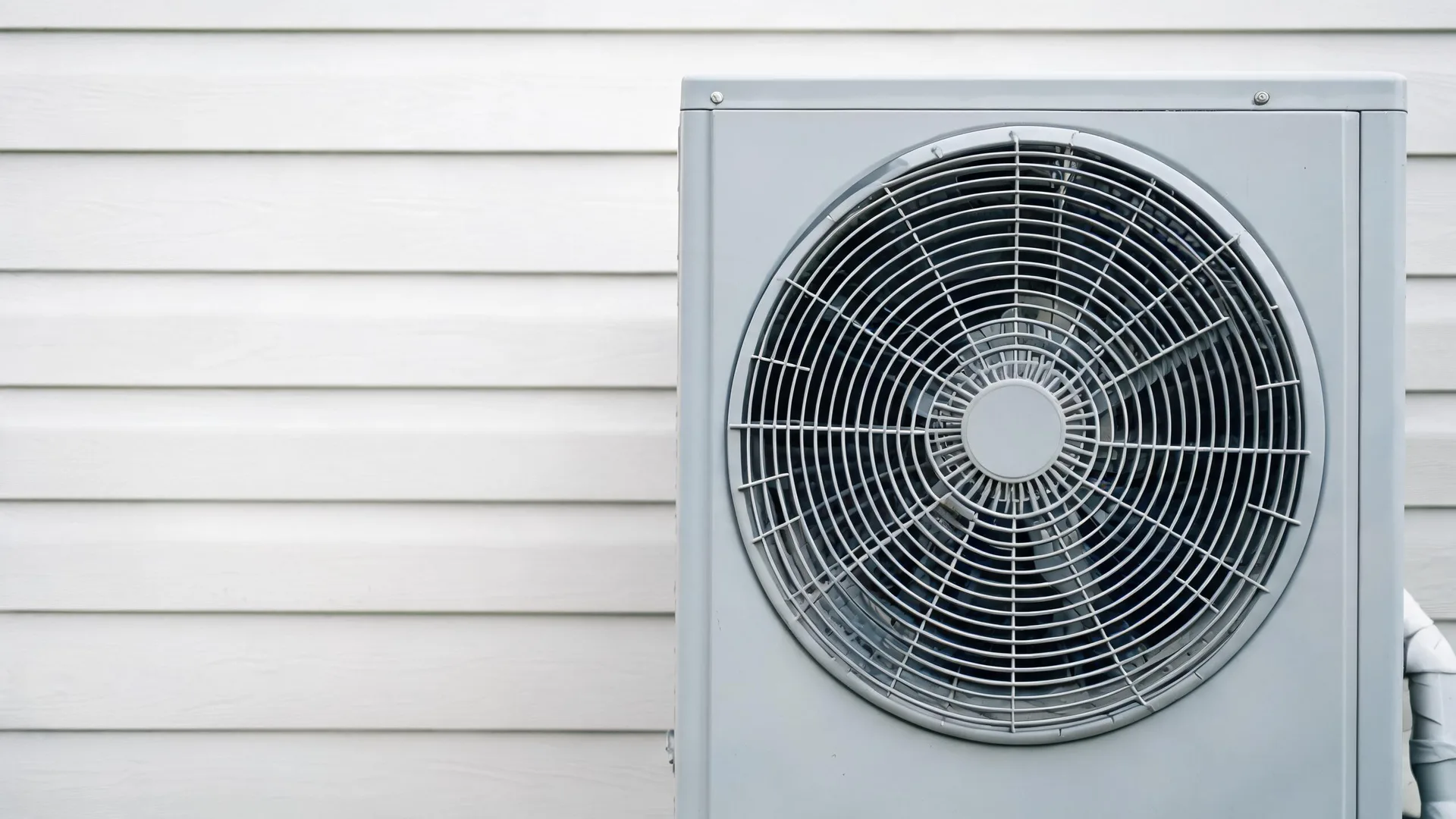
A residential heat pump outdoor unit mounted on a concrete pad next to a house with gray vinyl siding.

Size It For The House You Have Now

A system that's been running since 1960 or earlier has had decades to settle into a house that's changed around it. Insulation gets added, windows get replaced, ductwork gets patched. Sizing a new heat pump off the old equipment, or off a square footage number alone, skips over what the house is actually doing now. A contractor should run a load calculation on the house as it stands today, not as it stood when the last system went in. That number is what tells you what size to install, not the age of the house and not the unit coming out of it.

Two Numbers on the Same Label

SEER2 tells you how the heat pump performs in cooling mode, averaged over a typical season. HSPF2 tells you the same thing for heating mode. They are not interchangeable and one being high doesn't mean the other is. A heat pump works both sides of the year, so both numbers describe real costs you'll see on the bill, just in different months.
The Rating Is Measured, Not Guaranteed

The number on the label comes from lab testing under set conditions, not from your ductwork, your thermostat settings, or how well the system was installed. A correctly sized unit with tight ducts and a clean refrigerant charge will get closer to its rated efficiency. One that's oversized, poorly sealed, or installed with a sloppy charge won't, no matter what the label says.

A quote should tell you what's going in, not just what it costs. Ask for the equipment's make and model number, not just a price, so you can look up its rated capacity yourself. Ask what size unit they're proposing and whether that number came from a load calculation on your house or a guess based on the old system. Two contractors can quote the same tonnage and mean very different things by it if one measured and one didn't. Ask whether the quote includes new line sets or reuses what's there, since reused lines carry old refrigerant residue that can contaminate a new system. Ask what happens to the existing ductwork, because a heat pump moves air differently than what was there before, and ducts sized for another system can choke its output. The contractor who answers these without hesitating is the one who did the work before writing the number down.

Installation day starts with the old equipment coming out, refrigerant recovered from the lines before anything gets cut apart. The outdoor unit goes on a level pad or mounting bracket, and the indoor coil ties into the ductwork or, on a ducted system, replaces what was there. Line sets get run between the two, brazed at every joint, then pressure tested to make sure the system holds before a drop of refrigerant goes in. The system gets evacuated with a vacuum pump to pull out air and moisture, because either one left behind damages the compressor over time. Once the charge goes in, a tech checks it against the manufacturer's numbers for the exact line length and conditions that day, not just a gauge reading that looks close enough. Last comes the startup: running the system in both heating and cooling, checking airflow at the registers, and confirming the thermostat is actually talking to the equipment before anyone calls it done.