
What the cold here does to a heat pump
Your winters decide this. The overnight low here averages 14°F across December, January and February, and it drops to freezing or below on about 150 nights a year, over half the nights the heat runs. A standard heat pump starts falling short of its rating below 40°F, and below about 35°F it often needs backup heat to make up the difference. Every one of those 150 cold nights falls below both marks. This is not a system that deals with the odd cold snap. The cold is most of its working season.
Nineteen nights a year here reach 0°F or below. That is a smaller problem than it sounds. Field testing of cold-climate heat pumps in occupied homes found that backup heat carried only a small share of the load between 0°F and 35°F, and running on backup alone was rare even above 0°F. So the harder question is not the 19 coldest nights. It is the 150 nights in between, where a standard heat pump is already working below its rating and may be leaning on backup heat to hold the house at temperature.
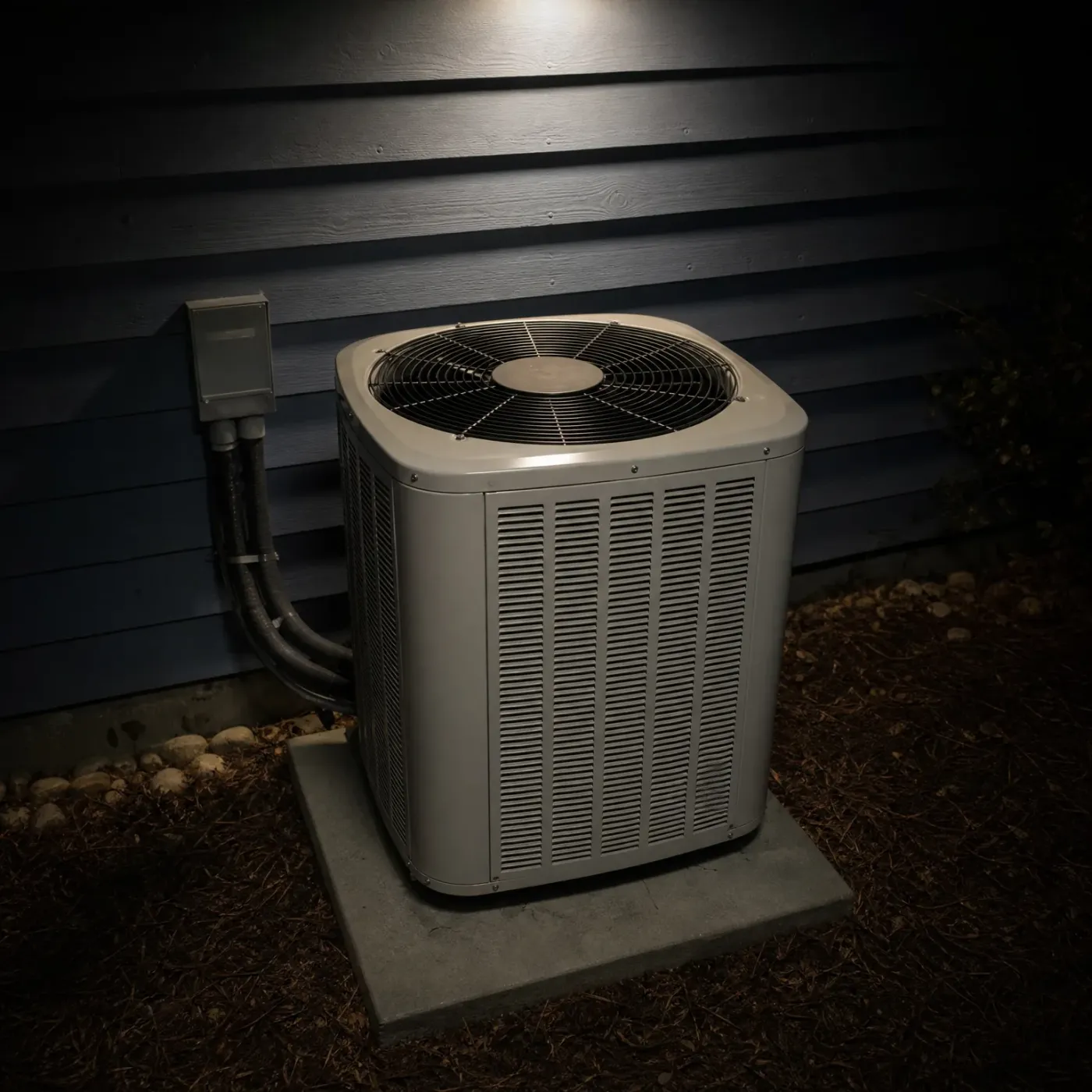
If you want a heat pump to be your only heat source here, the unit matters more than it would somewhere milder. ENERGY STAR's Cold Climate designation requires the heat pump to still produce 1.75 units of heat per unit of electricity at 5°F, and to hold on to at least 70 percent of its 47°F capacity at that same temperature, checked by independent testing. A heat pump built to the federal minimum was never tested to do that. That difference, not the brand or the price tag, is what tells you whether it can carry your house through January on its own.