


What winter here does to a heat pump
Heat runs about eight months a year in Boone County, October through May, and the overnight low averages 14°F through December, January and February. About 150 nights a year hit freezing or below. About 19 of those hit 0°F or below.
A standard heat pump starts falling behind well before it gets that cold. Below 40°F its heat output falls short of its rating. Below about 35°F it usually needs backup heat to make up the difference. Every one of those 150 freezing nights here is below both marks. That is not a few rough nights a season. That is most of the winter spent below the point where a standard heat pump runs at its rated output.
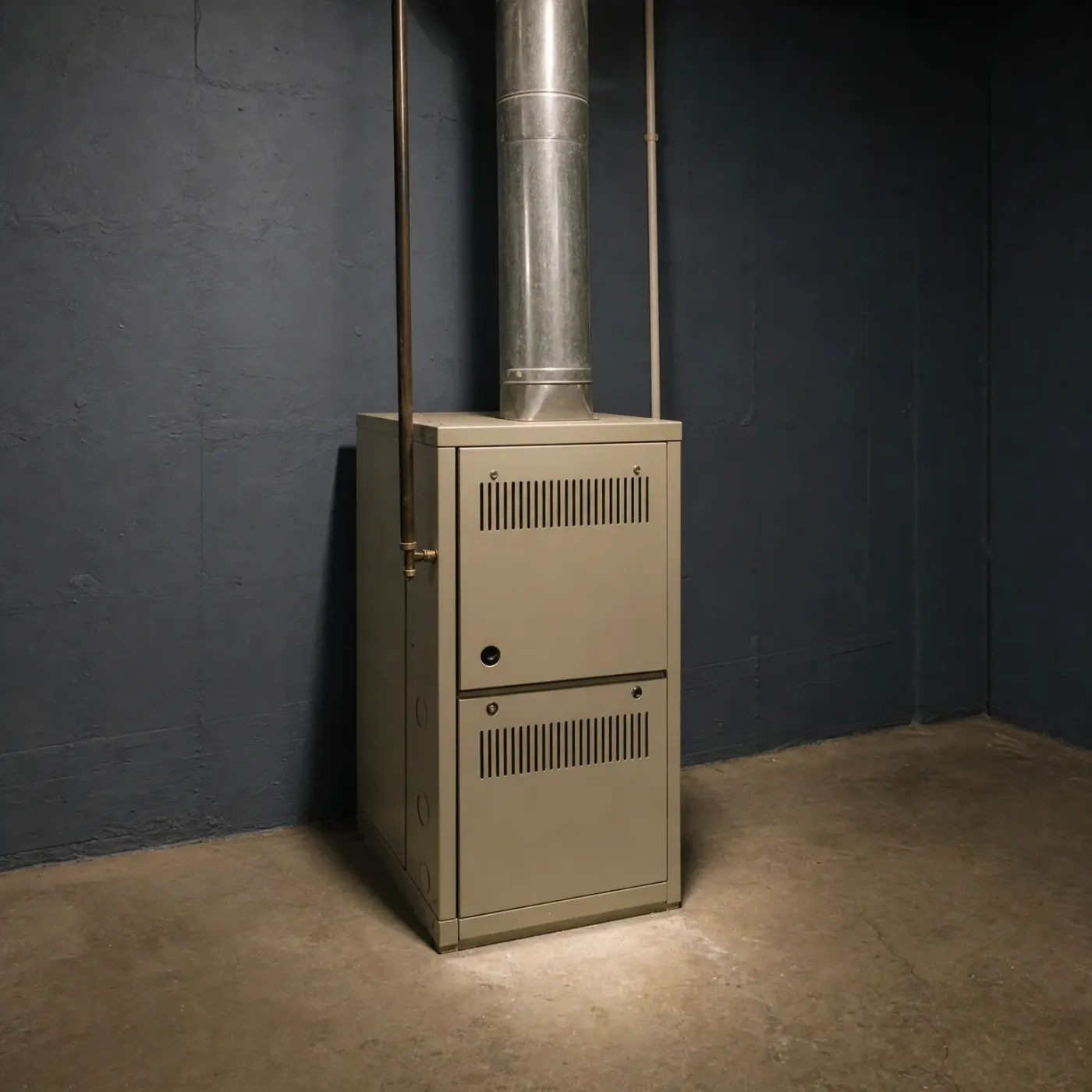
A furnace does not have that problem. It is built to put out the same heat at 30°F or at 10 below, so 14°F average lows fall well inside what it is designed for.
There is a kind of heat pump built for this cold. ENERGY STAR's Cold Climate models are tested to hold at least 70 percent of their 47°F heating capacity at 5°F, and to still make at least 1.75 units of heat per unit of electricity at that temperature. In a two-winter field test of prototype cold-climate units in occupied homes, backup heat covered only a small share of the load between 0°F and 35°F, and running on backup alone was rare even above 0°F. If a heat pump is the direction you want to go here, that is the category to ask for by name. A standard model will lean on backup heat through most of the season.