A row of illuminated two-story brick houses with front porches and mature trees photographed at twilight.

Furnace Repair in Boone, IA

Tell us about the job

Takes about a minute. No obligation.

RepairFurnace or heatingBoone County, IA
Step 1 of 2

What ZIP code is the job in?

Half these furnaces sit in older houses

Half the homes in Boone County were built in 1960 or earlier. A furnace does not last as long as the house around it, so a system original to one of these older homes is likely well past a normal repair and into the range where failures get more frequent.
What that means for a repair call

If your furnace came with an older house, a technician can tell you how many years it likely has left before they fix what is broken today. That number matters before you spend money on a repair that only buys a short stretch of time.

8 months
October through May, your furnace is on duty
14°F
the average winter night it heats against
57%
of homes here heat with gas, so most furnaces here burn gas
25 winter storms
in ten years, the nights a failure hurts most
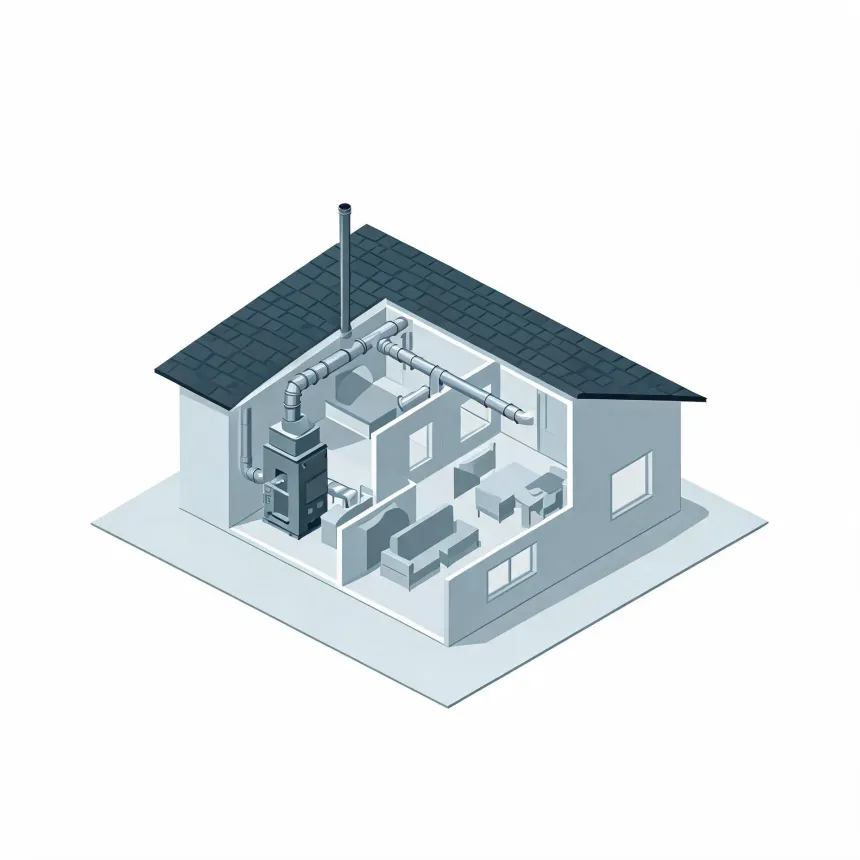
Isometric cutaway illustration of a single-story house with a dark shingled roof, showing a furnace with a flue pipe and branching ductwork running through interior rooms furnished with a sofa, table and chairs.
Your furnace works hardest from November through March.

NOAA nClimDiv, 1991–2020 normals

Furnaces in Boone County run from October through May, about eight months of the year.

An overnight low near 14°F all winter means this furnace rarely gets a break, and that's usually why it's acting up now.

September is the month to get it looked at, before October puts it to work

Heat runs October through May
Winter nights average 14°F
Climate zone 5A
Boone County furnace repairEight months of heat a year, nights near 14°F. Get a diagnosis, not just a fix.

Ask the technician for a straight answer before they start the repair. If your furnace is original to the house and the house dates back to 1960 or earlier, find out how many years it likely has left. That number changes what a repair is worth. A furnace with a few good years ahead is worth fixing. One near the end is not worth much beyond keeping it running through this winter. Get that estimate first, then decide.

Ask how much life it has left

If your system came with an older house, it may be near the end of its life. Ask how much life it has left before paying for a big repair.

Find a contractor
A gas furnace with attached ductwork, gas piping, and condensate lines installed in a concrete-block basement.

What a struggling furnace sounds and feels like

A furnace rarely fails without warning you first. Short cycling is one of the clearest signs, the burner firing up, running a few minutes, then shutting off before the house warms. That points to a clogged filter, a cracked heat exchanger tripping a safety switch, or a flame sensor too dirty to hold a signal. A burner that won't stay lit, or clicks and never catches, usually means the igniter is failing or the flame sensor needs cleaning. Cold air from the vents while the blower runs often traces back to the same short-cycling cause, or to a thermostat losing communication with the furnace. A low, grinding, or rattling noise from the cabinet is worth a call on its own, since it can mean the blower motor bearings are wearing out or a belt has started to slip. None of these signs mean a new furnace. Most of them are a single part, and catching the failure early is what keeps a repair from turning into a system replacement.

A small fault forces a hard start every cycle

A dirty flame sensor or a weak igniter does not stop the furnace outright. It just makes each burner start harder than the last. Every failed attempt still draws in gas and still asks the blower to run, and that strain lands on the same igniter or sensor that is already failing, so the gap between breakdowns gets shorter.

A cracked heat exchanger gets worse under heat

Metal expands when it heats up. A crack that is barely open when the furnace is cold can widen every time the burner fires, then close again as it cools. Each cycle flexes that crack a little further, and a furnace left to keep cycling on a cracked exchanger is working the damage instead of resting it.

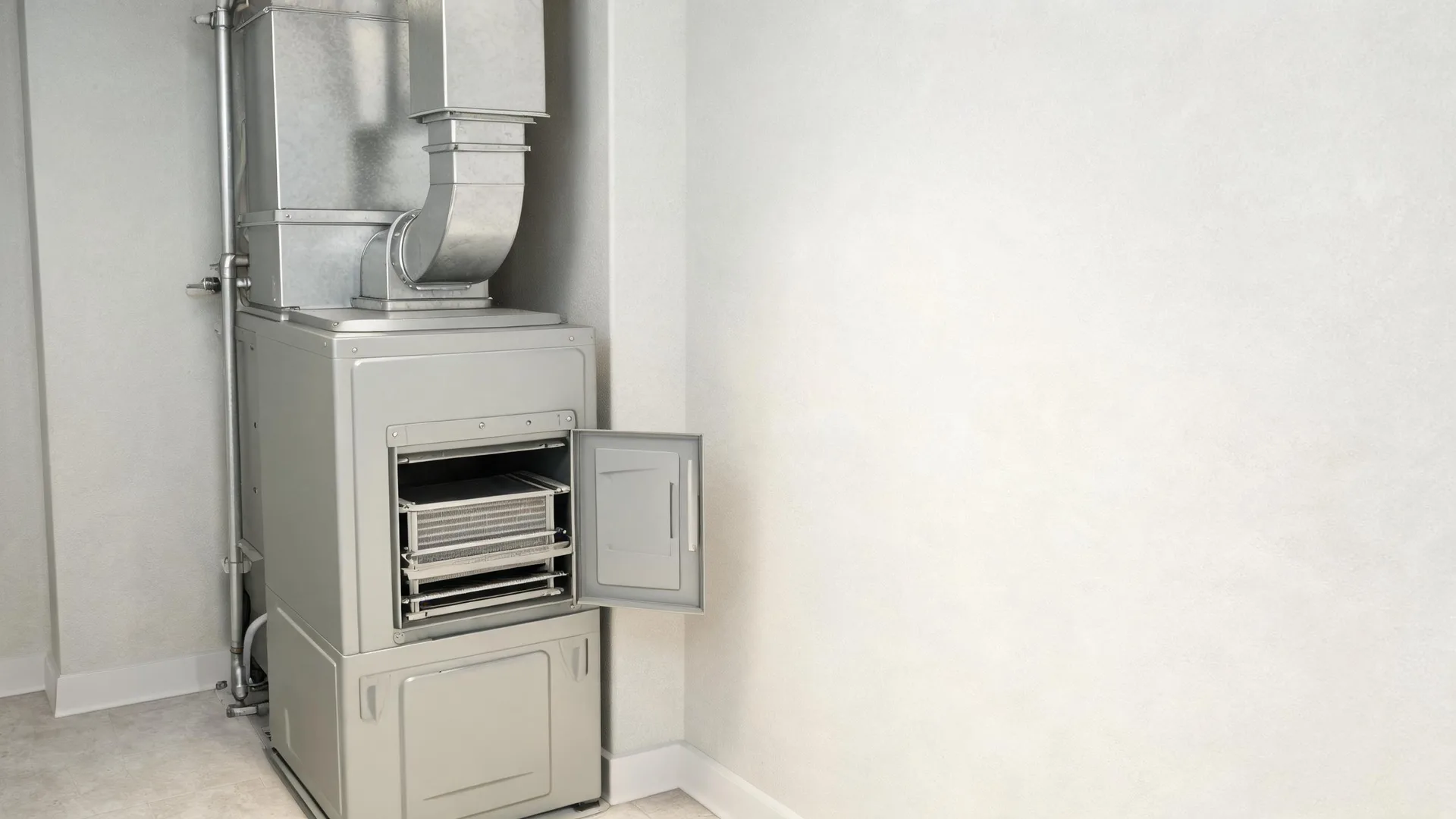
An unfinished basement containing a gray HVAC furnace with ductwork, exposed wooden joists, a concrete floor, and miscellaneous clutter in one corner.

A new furnace would cut about $110 a year off heating for a typical Boone County home.

  • A new high-efficiency furnace$450 a year
  • An older furnace$560 a year

Estimates for a typical Boone County home, compared with an older unit built to the previous federal minimum, from EIA household energy data, Iowa fuel prices and NOAA climate normals. Your home will differ.

Repair makes sense when one part has failed and the heat exchanger is sound.

Replacement makes sense when the heat exchanger is cracked or the furnace keeps needing parts.

A diagnostic call starts before any panel comes off, with the technician asking what the furnace is doing and when. Short cycling, a burner that won't catch, cold air from the vents, each points somewhere different, so that description decides where they look first. They'll pull the panel and check the flame sensor and igniter, since those fail often and fail quietly. A pressure switch and a draft inducer get checked together, because one won't work without the other. If the furnace tripped a safety switch, that switch gets tested before anything gets reset, since it tripped for a reason and resetting it blind just invites the same failure again. Only once the cause is found does the repair itself start.