

What the cold here does to a heat pump
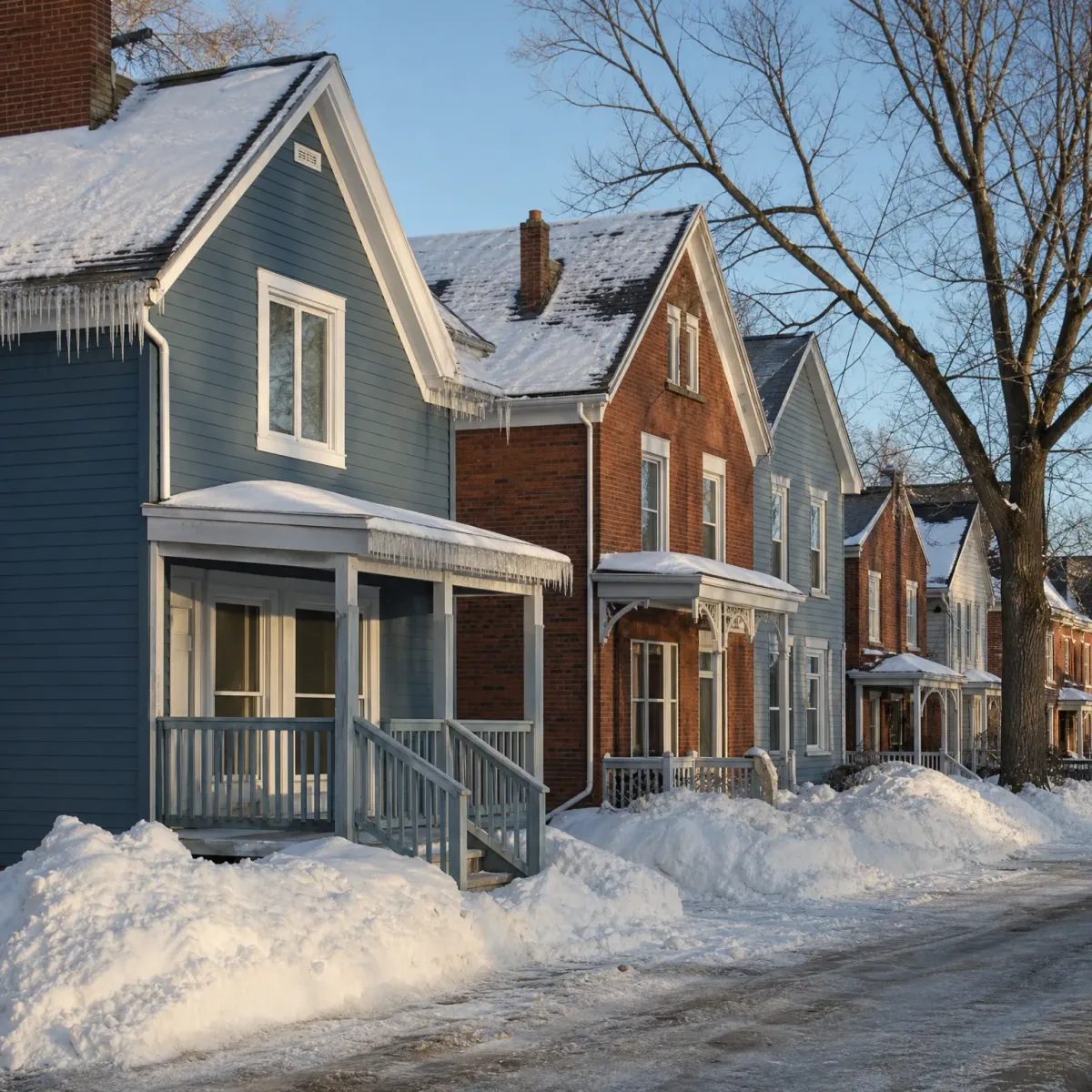
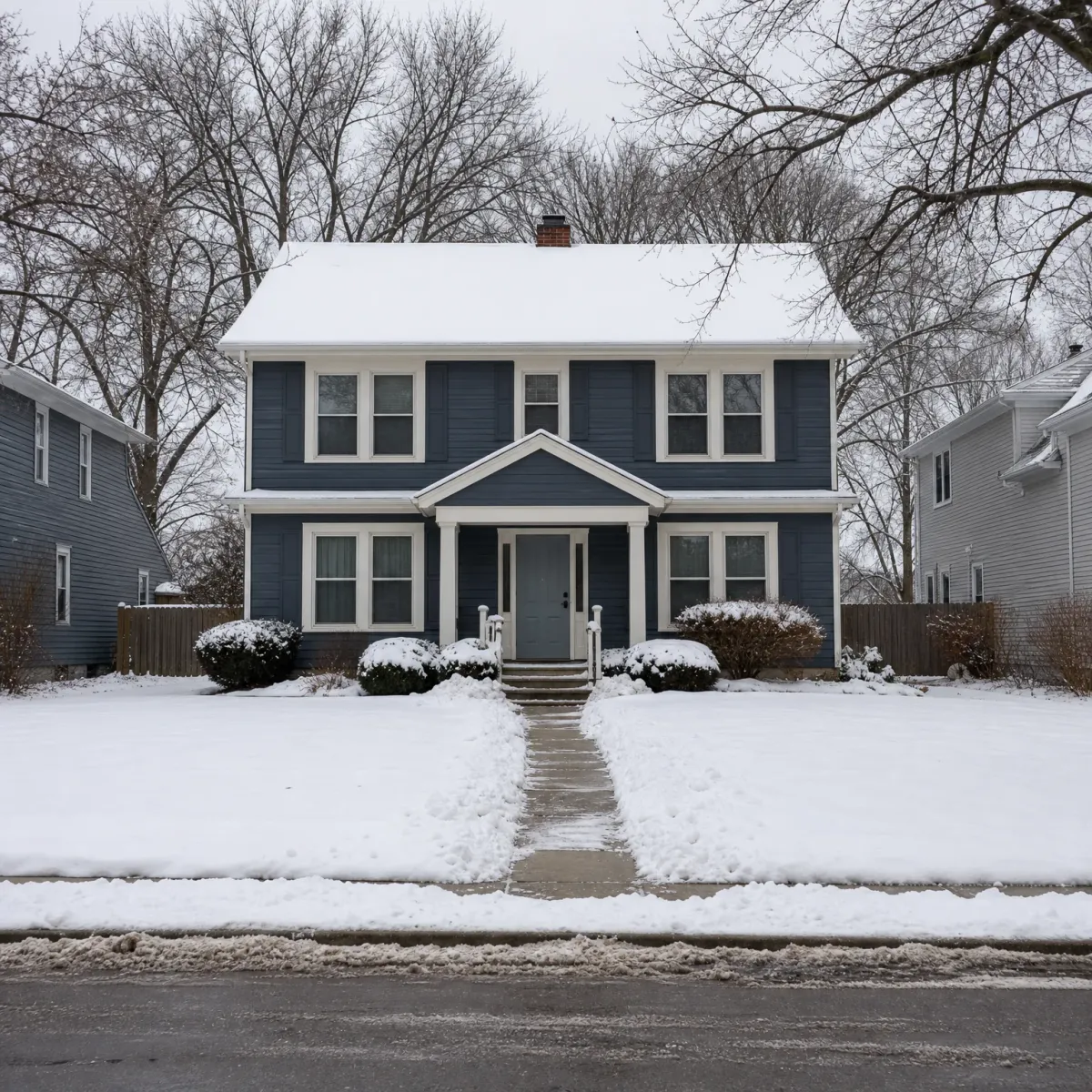
Winters here settle the question before cost does. The overnight low averages 16°F across December, January and February, and that's not a rare dip, it's the season's average. A standard heat pump starts losing capacity below 40°F and often needs backup heat below about 35°F. Here, every single night that drops to freezing or below, about 150 of them a year, falls under both marks.
That matters because heat is what you're buying. Below 40°F a standard heat pump puts out less than its rated capacity, and by the time you're in the teens it's only a fraction of that rating. Jackson County sees 0°F or colder on about 18 nights a year. Those are the nights a basic heat pump is leaning hardest on backup heat, right when it has the least to give on its own.
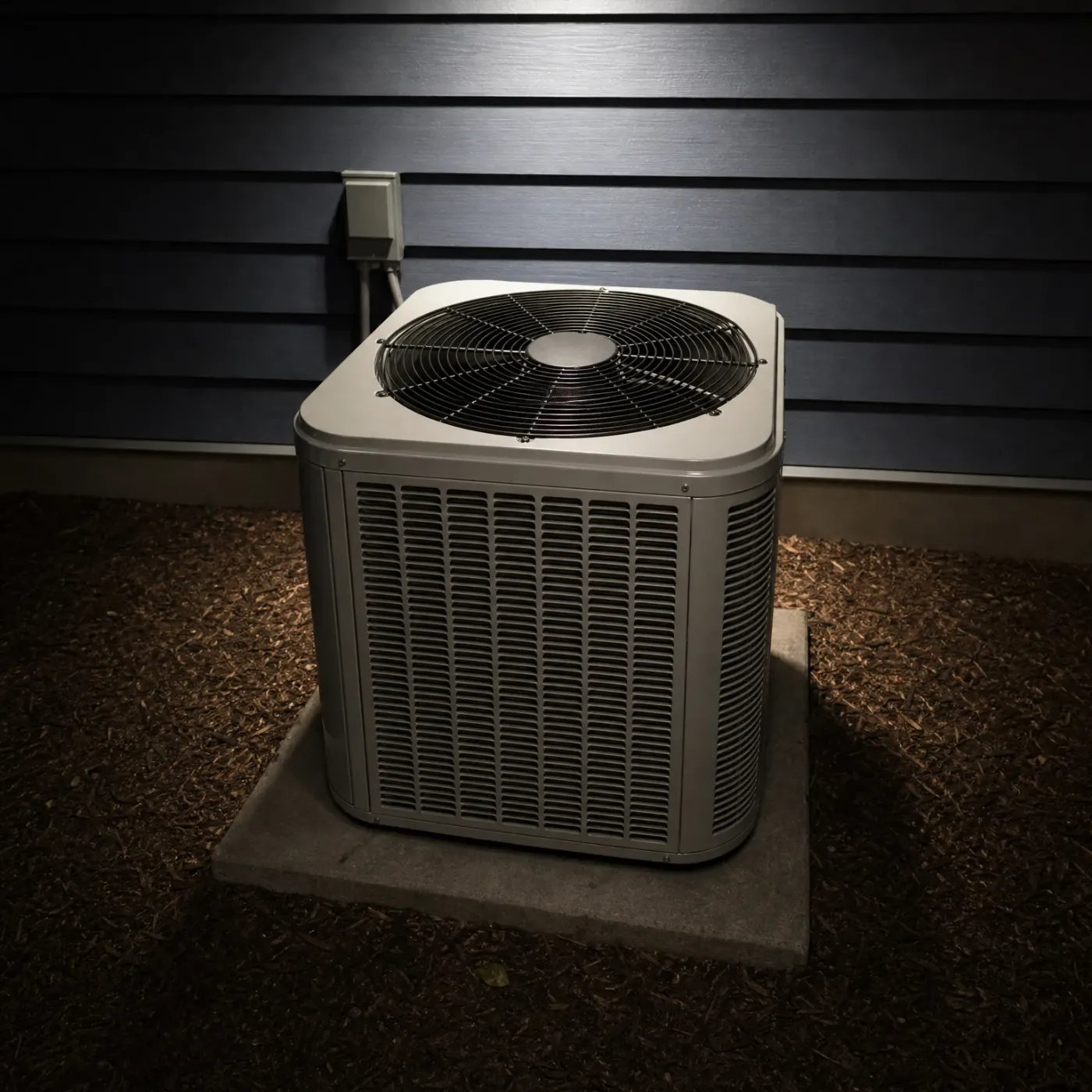
This is where the ENERGY STAR Cold Climate models change the math. To earn that label a heat pump has to deliver at least 1.75 units of heat per unit of electricity at 5°F and hold onto at least 70 percent of its 47°F capacity at that same temperature, and that's checked by independent testing, not the manufacturer's word. Field tests back it up: watched over two winters in occupied homes, backup heat covered only a small share of the load between 0°F and 35°F, and running on backup alone was rare even above 0°F. A cold climate model is a different proposition here than the standard one the cost figures above are built on.