

Heat pump vs furnace in Jasper County, Iowa

Get a Quote

Installers who work in Jasper County

A person in a blue shirt reaches up to press a button on a white wall-mounted thermostat on a gray wall, with a tool bag in the foreground and a living and dining room visible through a doorway.

Tell us about the job

Takes about a minute. No obligation.

New system or replacementJasper County, IA
Step 1 of 3

What kind of equipment?

Which costs less to run in Jasper County?

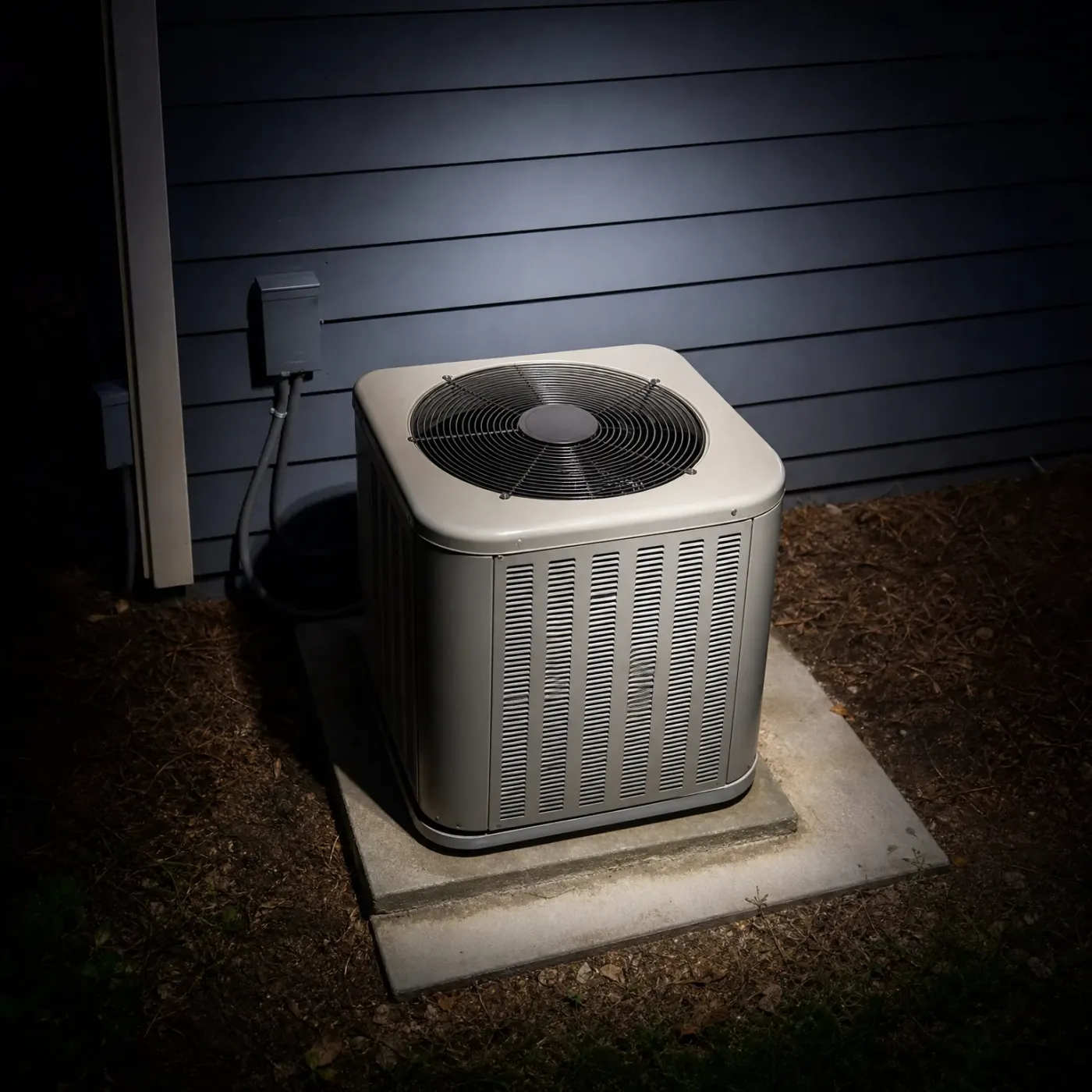
An outdoor air conditioner condenser unit on a concrete pad beside a house with dark horizontal lap siding, with an electrical disconnect box and conduit on the wall behind it.

Heat pump

To heat your home here$1.79per 100,000 Btu

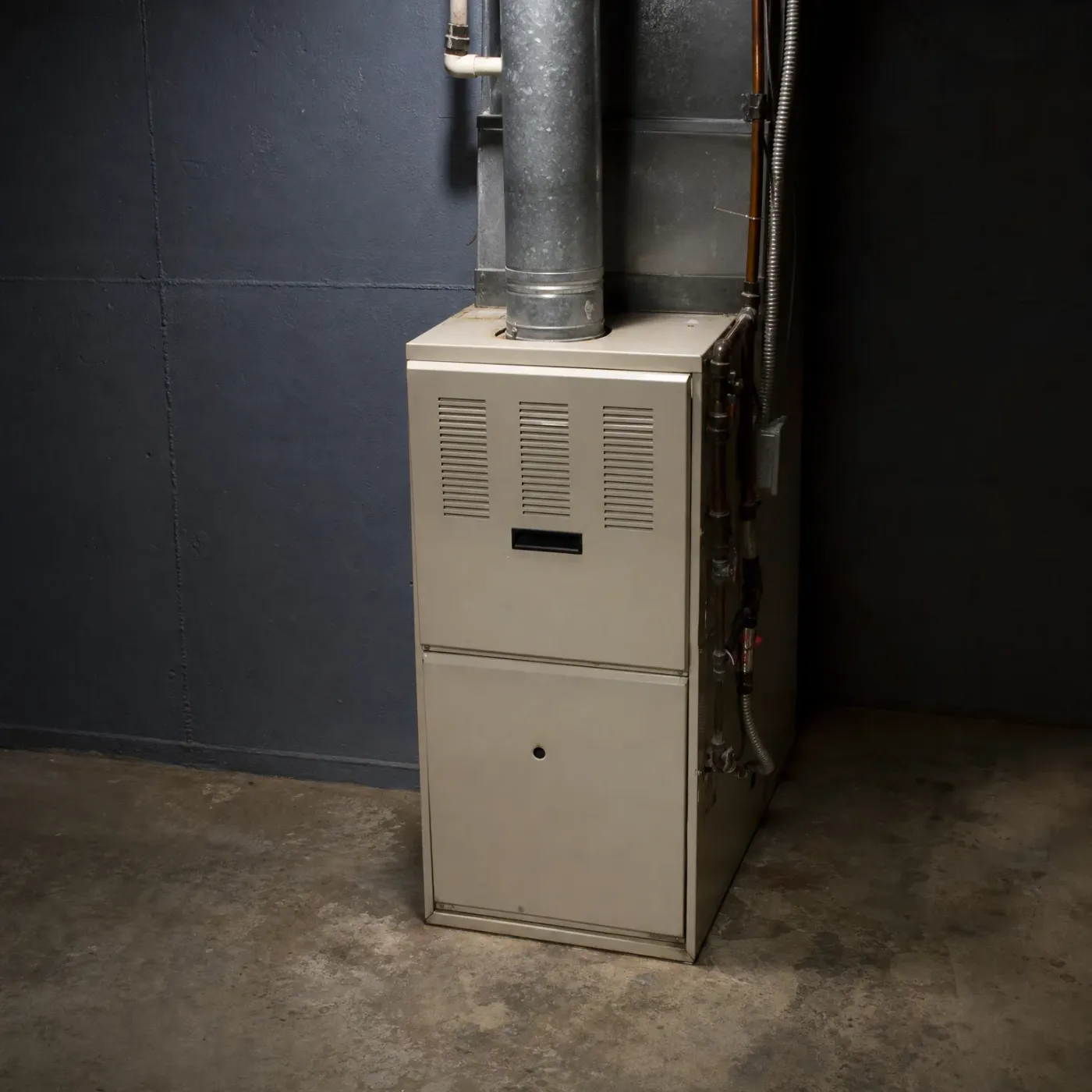
A beige gas furnace with louvered upper panel stands against a dark gray concrete block wall on a concrete floor, with metal flue ducts and flexible conduit running up from its top.

Furnace

To heat your home here$1.21per 100,000 Btu

At Iowa's gas and electricity prices, a gas furnace makes the same heat as a heat pump for at least 32% less.

Btu stands for British thermal unit, the standard measure of heat energy.

Where does a heat pump shine?

  • Steady, even comfort

    It eases up and down with the weather. There are fewer swings between too warm and too cool.

    A living room with a gray upholstered armchair holding an open book and a throw blanket, a lit lamp and mug on a side table, a golden-colored dog sleeping in a round gray bed beside a stone fireplace, and a snowy view through the window.
  • No gas line, nothing burning in the house

    A heat pump runs on electricity alone. Nothing burns inside the house.

    A kitchen island with a white stone countertop holding a black cooktop and a stainless steel kettle, with navy cabinets, a white farmhouse sink with a brass faucet, a bowl of lemons, potted greenery, and gray upholstered stools in the foreground.
  • Heats and cools in one system

    Winter and summer are covered by the same outdoor unit. That's one machine to service instead of two.

    A living room with dark blue panelled walls, a grey sofa with cushions and a knitted throw, a wooden coffee table holding a mug and a glass vase of white hydrangeas, a side table with a lamp and small plant, and a large white-framed window overlooking a green garden.

Where does a furnace shine?

  • Strong, steady heat in hard cold

    Winter nights here average 16°F, and a furnace is built to push through that without losing ground. It keeps pulling heat from the same flame no matter how far the temperature drops outside.

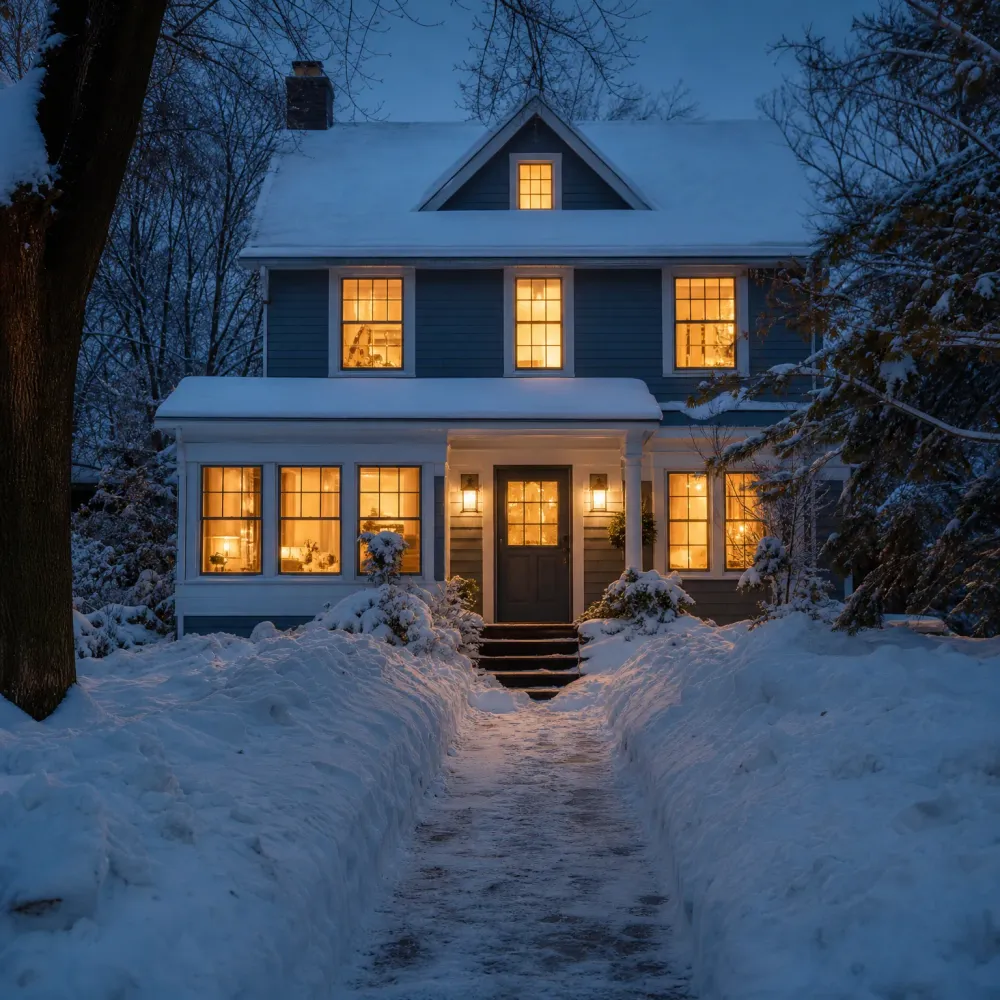
    A two-story dark blue house with white trim and lit windows at dusk, with a snow-covered roof and a shoveled path leading through deep snow to the front steps.
  • Runs on the gas most homes here already use

    Utility gas heats 56% of homes in Jasper County, so there's a good chance the line is already run to your house. A furnace just puts that gas to work instead of bringing in a new fuel source.

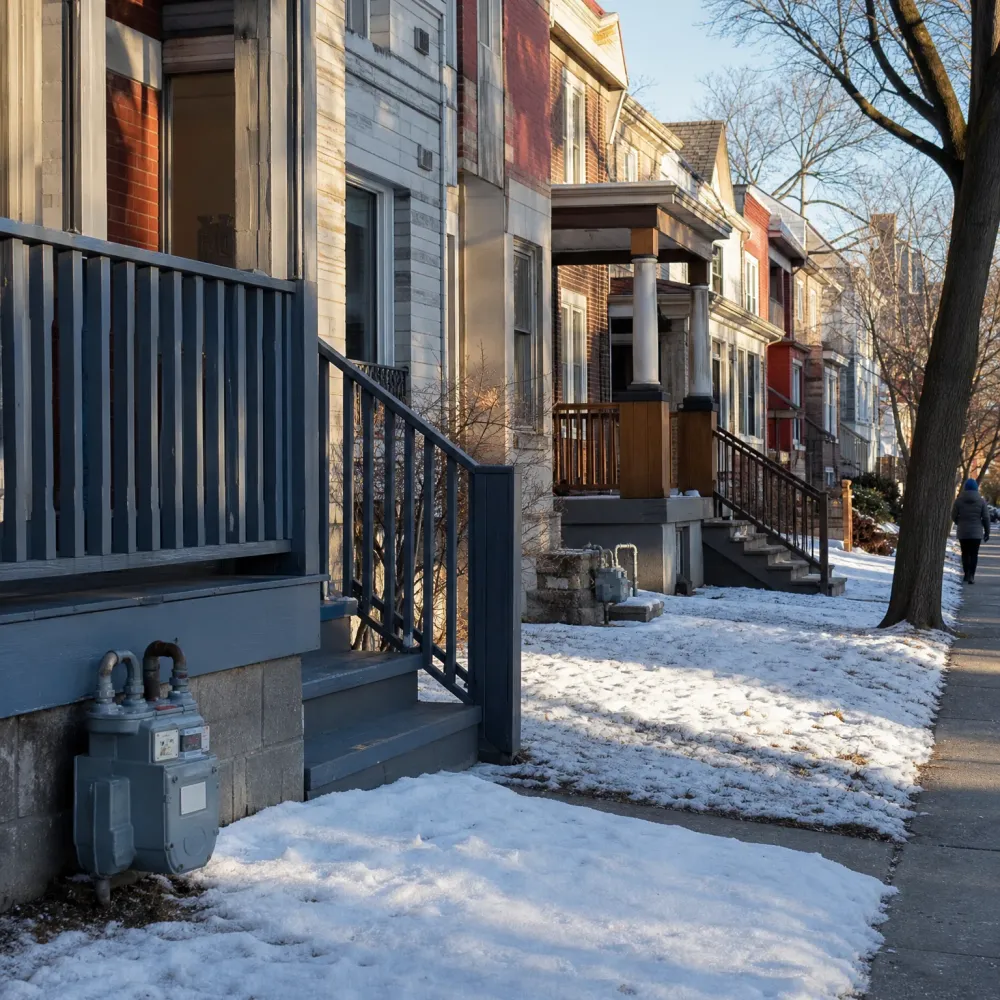
    A row of attached two-story houses with porches, railings and front steps along a snow-patched sidewalk, with a bare tree and a distant person walking in a dark coat.
  • Fast, strong heat on demand

    Turn the heat up and the furnace answers right away. There's no long wait for the house to catch up.

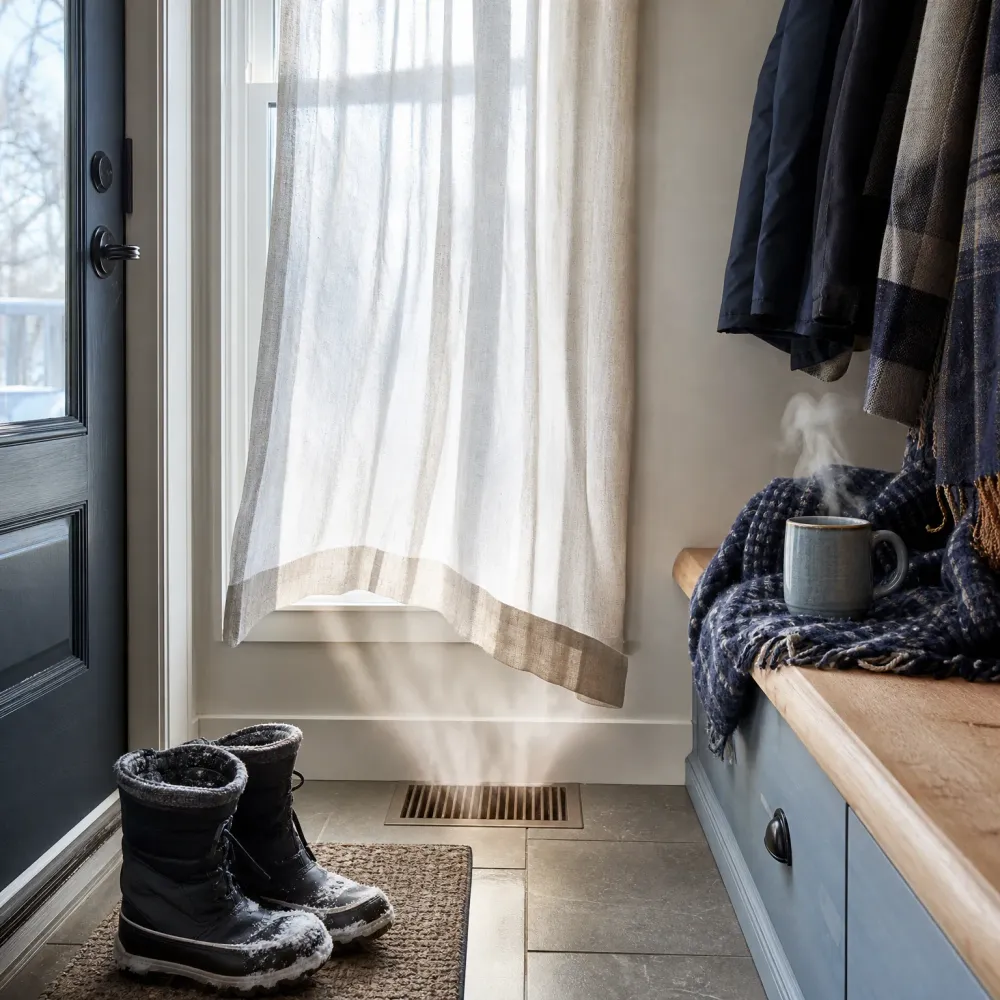
    A mudroom entry with a dark door, a sheer linen curtain over a window, snow-dusted black winter boots on a woven mat, a floor vent, and a wooden bench with a blue knit throw and a steaming gray mug beneath hanging coats.

Can a heat pump handle a 16°F winter here

Jasper County winters sit below the point where a standard heat pump works the way it does in fall or spring. Below 40°F its output falls short of what it's rated for. Below about 35°F it usually needs backup heat to make up the difference. The average overnight low here in December, January and February is 16°F, under both marks. Of the 145 nights a year that hit freezing or colder, every single one is below both marks too.

That doesn't mean a heat pump quits. It means it's working below its rated capacity on most winter nights, and leaning on backup heat for a real share of the season. A furnace does not have this problem. It makes the same heat at 0°F that it makes at 40°F.

A regular heat pump is not built for this. A cold climate model, the kind that carries the ENERGY STAR Cold Climate label, is a different machine. To earn that label it has to deliver at least 1.75 units of heat per unit of electricity at 5°F and hold on to 70 percent of its 47°F capacity at that temperature, tested by someone other than the manufacturer. In a two winter study of these cold climate units running in real homes, backup heat only covered a small share of the load between 0°F and 35°F, and the units almost never ran on backup alone unless it was below 0°F. That happens here about 16 nights a year. If you're putting a heat pump into a house this cold, the cold climate version is the one built for it.
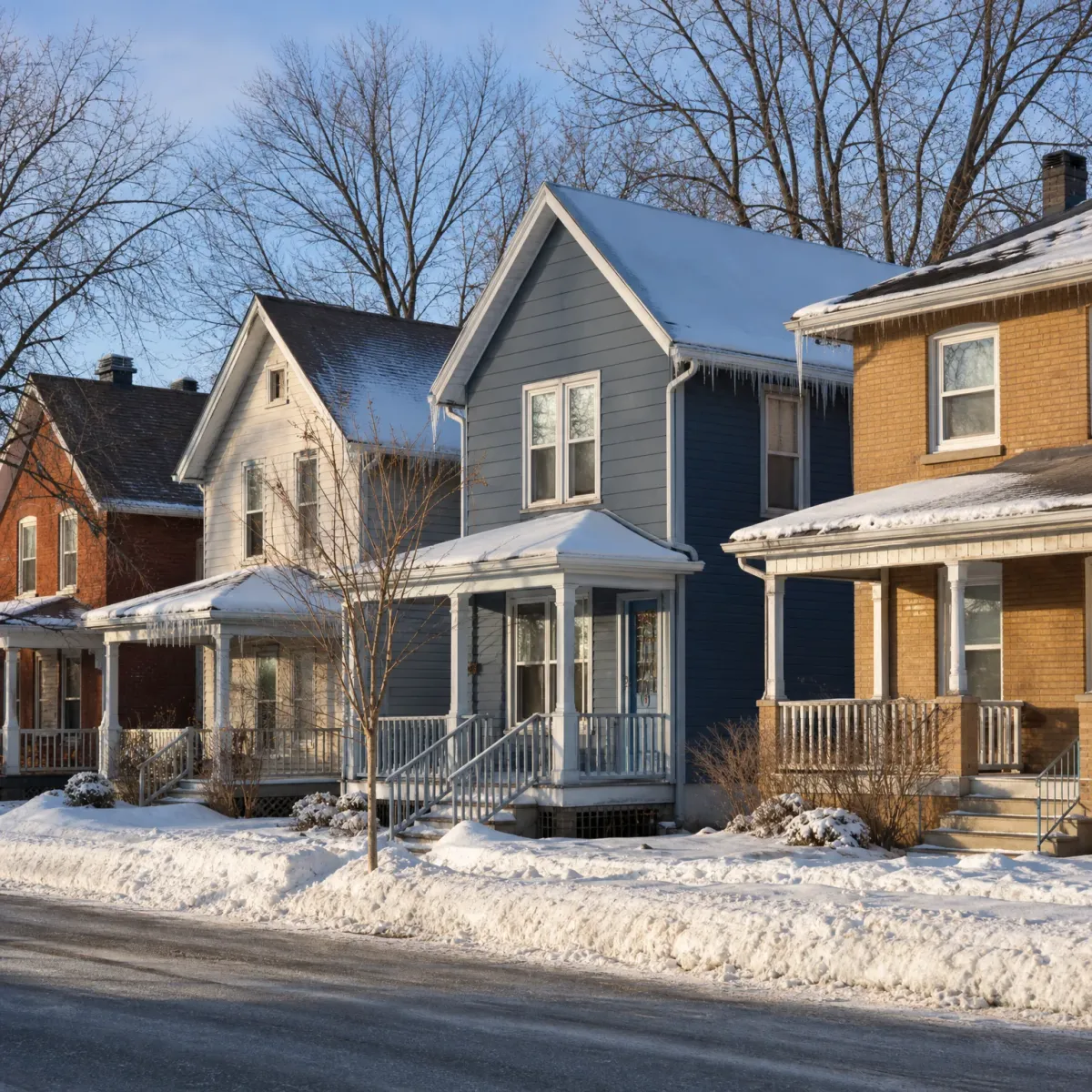
A row of two-story houses with covered front porches, including gray, white, and yellow-brick facades, behind snow-covered lawns and a plowed street under a clear blue sky.

What each one costs to run, and what that means for your choice

At Iowa's prices, a furnace is cheaper to run than a heat pump in this county. $1.21 per 100,000 Btu against $1.79. That gap holds for a heat pump at the federal minimum rating, before adding anything for the backup heat it needs on the coldest nights, so the real gap in a cold winter here likely runs wider than that.

Heat runs eight months a year here, October through May. Cooling runs three, June through August. A furnace only does one of those jobs. For the other four months it sits unused. A heat pump does both from the same system, which is worth something if your air conditioner is also due for replacement.

Gas is already the most common way homes here are heated. 56 percent use utility gas, 20 percent use propane, and 21 percent use electric heat. If your house already has a gas line run to it, a furnace uses infrastructure that's already there. If it doesn't, and running one in means real cost, that changes the math on which system actually costs less once you include putting it in.

Where that leaves the choice: if keeping your gas line and lowest running cost matters most, the furnace is the cheaper, steadier choice for a winter this cold. If you want one system that heats and cools and are willing to pay more per Btu for it, a cold climate heat pump is built to handle Jasper County's winters, not a standard one. What you should not install here is a standard heat pump with no backup plan for the cold, since on most winter nights here it will be running under its rating.

Sources: NOAA nClimDiv · NOAA 1991–2020 seasonal normals · EIA SEDS 2024 · 10 CFR 430.32 · PNNL Building America guide · PNNL-37127 field study · ENERGY STAR product criteria · Census ACS 2020–2024

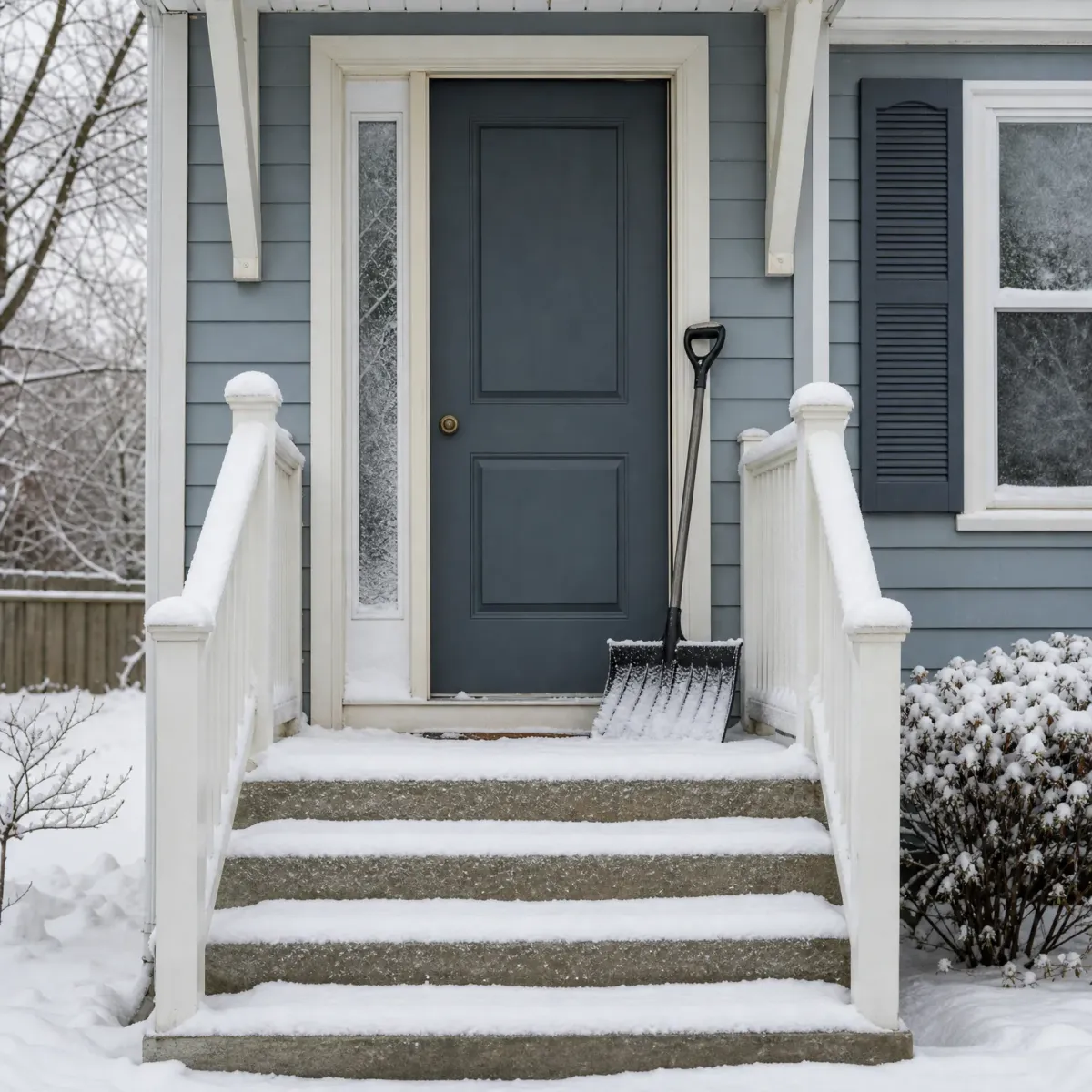
Snow-covered concrete front steps with white railings lead to a dark gray door on a blue-gray clapboard house, with a snow shovel leaning beside the entry.

Common questions about heat pumps and furnaces

  • Can a heat pump heat a house through an Iowa winter?

    A standard heat pump will struggle on the coldest nights here without help. Its output drops once it's below 40°F outside, and the overnight low here averages 16°F across December, January and February, with about 16 nights a year at 0°F or below. A cold-climate model built to keep most of its capacity at 5°F handles those nights better, and field testing on prototypes of that kind found backup heat rarely had to carry the load by itself even near 0°F.

  • Do I need backup heat with a heat pump here?

    Yes, most houses here will need it. A standard heat pump's heat output starts falling short of its rating below 40°F and it often needs backup below about 35°F, and the average overnight low here is 16°F. Over half the nights in the heating season, about 145 of them, drop to freezing or below, so the backup isn't an occasional thing, it's regular work.

  • Can I keep my furnace and add a heat pump?

    Yes, and here that pairing makes sense. The furnace handles the nights that drop into the teens and below, about 16 a year, while the heat pump covers the milder stretch above freezing where it isn't working against the cold. Your gas line stays in place either way, since gas already heats a little under three in five homes in the county.

  • Is a heat pump cheaper to run than a furnace in Jasper County?

    No, a furnace costs less to run here. At Iowa's fuel prices a furnace makes heat for $1.21 per 100,000 Btu against $1.79 for a heat pump. That gap comes from the price of electricity against the price of natural gas, not from one machine being better built than the other.