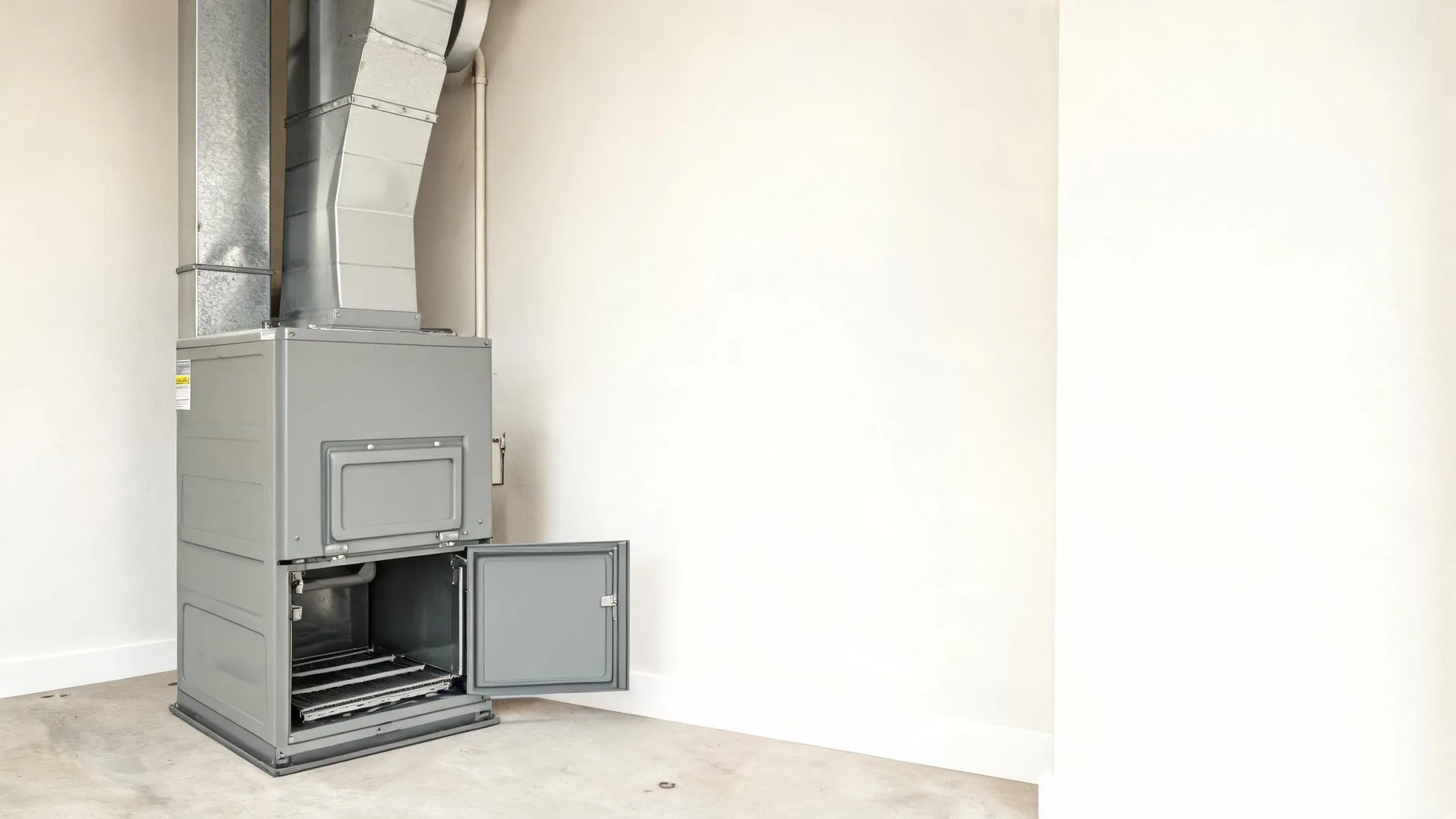
Eight months of work a year
Furnaces here run October through May. That's most of the year asking parts to light, heat and cycle on demand, and a furnace running that long has more chances to show wear than one that only runs part of the year.
Takes about a minute. No obligation.
Furnaces here run October through May. That's most of the year asking parts to light, heat and cycle on demand, and a furnace running that long has more chances to show wear than one that only runs part of the year.
Johnson County saw 25 winter storms between 2015 and 2024, counting heavy snow, ice and blizzards. A furnace runs longest exactly when it's coldest out, so the stretches that matter most to the house are also the stretches that wear the furnace hardest.
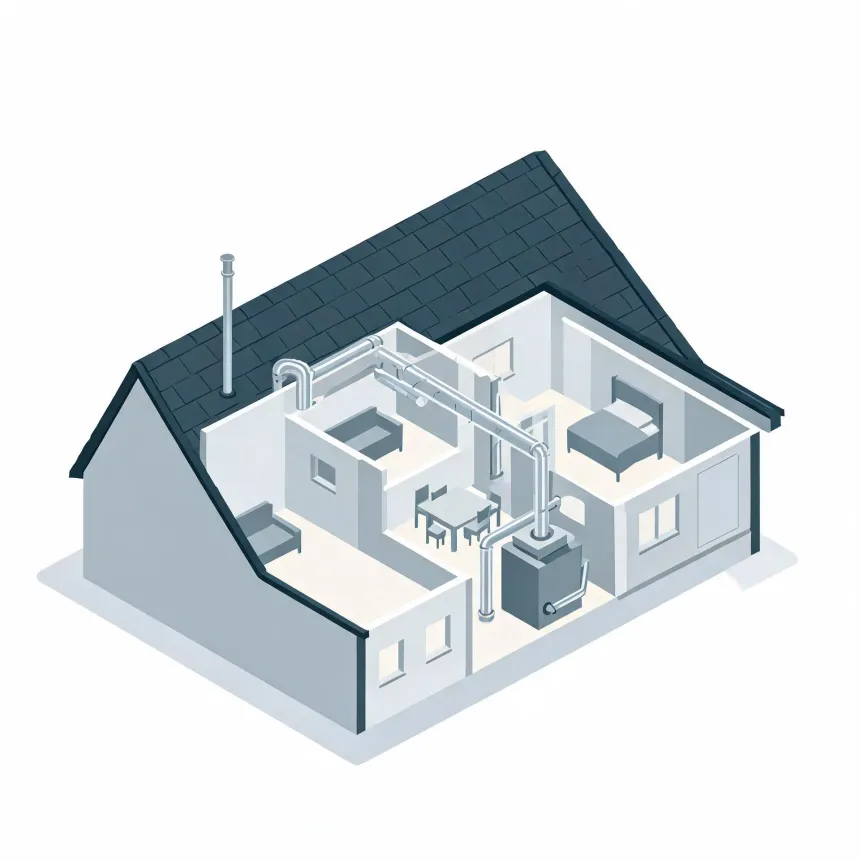
NOAA nClimDiv, 1991–2020 normals
October is when this furnace works for the first time in months.
A weak igniter or a failing flame sensor usually shows itself in that first week of real cold.



If your furnace came with a newer build, call a repair tech before you think about replacing it. A furnace that's a few years into a build from 1992 or later has most of its working life still ahead. Igniters, flame sensors and inducer motors fail on their own regardless of the age of the house around them, and a part swap on a newer system gets it back to normal without touching the rest of the unit. Ask the tech what's actually failing before any talk of a new system. Most of the time here, that's the right place to stop.
A furnace that runs eight months a year, and has leaned on through 25 winter storms between 2015 and 2024, has had plenty of chances to wear a part down. That's usually what's behind a furnace acting up here, not a sign the whole unit is done. Get it looked at and find out which part it is.
Find a contractor
A furnace usually tells you something is wrong before it quits outright. It might take a few tries to catch, where the burners light late or the igniter glows but nothing happens the first time you call for heat. It might run but never quite keep up, so the house feels a few degrees off no matter where the thermostat is set. Short cycling is another one: the furnace kicks on, runs a few minutes, shuts off, and starts again before the house has warmed up. That usually points to a dirty flame sensor, a clogged filter restricting airflow, or a blower that's not moving enough air. A furnace that cycles on and off with the blower running constantly, rather than in short bursts, is working harder than it should to reach the temperature you asked for. Sounds matter too. A bang or pop when the burners light usually means gas is building up before it ignites, which points to a dirty burner or an igniter not firing on time. A screech or grind from the blower is a motor bearing wearing out. A rhythmic clicking that doesn't lead to ignition is often the igniter itself, or a flame sensor too corroded to tell the system a flame is there. Any smell of gas is not a wait and see situation. None of these mean the whole furnace is finished. They mean a specific part is wearing out or already has, and a tech can usually find out which one without much guesswork.
A dirty flame sensor doesn't just cause a false shutoff. Every time the furnace cuts out and retries, the igniter fires again, and igniters only have so many cycles in them before they crack. A clogged filter doesn't just block airflow. It makes the blower motor strain to push air through, and it lets the heat exchanger run hotter than it should. One worn part puts load on the part next to it.
A heat exchanger that overheats again and again from restricted airflow can crack, and a cracked heat exchanger isn't a part swap, it's a new furnace. A blower motor that keeps straining against a dirty filter will burn out instead of just wearing slowly. The longer a small fault runs unaddressed, the more likely it drags another part down with it.
Estimates for a typical Johnson County home, compared with an older unit built to the previous federal minimum, from EIA household energy data, Iowa fuel prices and NOAA climate normals. Your home will differ.
Repair makes sense when one part has failed and the heat exchanger is sound.
Replacement makes sense when the heat exchanger is cracked or the furnace keeps needing parts.
A tech weighing repair against replacement is really asking one question: is the problem the furnace, or is it one part inside it. An igniter, a flame sensor, a blower motor, a capacitor, these fail on their own and get swapped without touching anything else. The furnace around them doesn't know the difference and doesn't care how old it is. A cracked heat exchanger is different. That's the one failure that ends the conversation, because it means heat and combustion gases are mixing where they shouldn't, and no tech patches that. Short of a cracked heat exchanger, most furnace problems are a single part failing inside a cabinet that still has years left in it. The part is what broke. The furnace is just where it happened.