


A bare concrete basement containing a gray gas furnace with metal ductwork and a vertical flue pipe, lit by a single hanging bulb.

Furnace Repair in Mason City, IA

Tell us about the job

Takes about a minute. No obligation.

RepairFurnace or heatingCerro Gordo County, IA
Step 1 of 2

What ZIP code is the job in?

Half the homes in Cerro Gordo County were built in 1959 or earlier. A furnace doesn't last forever in any house, and in an older one it's had more years to work through. If your system came with the house, there's a real chance it's old enough that a repair only buys you a little time. Worth asking before you pay for the fix: how many more years is this furnace actually good for.

8 months
October through May, your furnace is on duty
12°F
the average winter night it heats against
71%
of homes here heat with gas, so most furnaces here burn gas
38 winter storms
in ten years, the nights a failure hurts most
Isometric cutaway illustration of a single-story house with a dark shingled roof, showing interior rooms with beds and furniture, overhead ductwork, and a gray furnace with a tall flue pipe at the exterior wall.
Your furnace works hardest from November through March.

NOAA nClimDiv, 1991–2020 normals

A tech checks the flame sensor, the igniter, the pressure switch and the blower before touching anything else.

That tells you whether you need a part replaced or a furnace replaced.

Eight months of heat, and winters that don't let up

Heat runs October through May
Winter nights average 12°F
38 winter storms from 2015 to 2024
October Is When It Shows UpFurnaces here run eight months, October through May, and trouble usually starts the first cold week.

Before you call anyone, check the thermostat is set to heat and the batteries aren't dead. Go look at the filter. A filter clogged with dust chokes off airflow, and a lot of no-heat calls trace back to nothing more than that. Check the breaker box and any switch that looks like a light switch near the furnace, since that shuts the whole unit down if it gets bumped off. If you have a gas furnace, make sure the gas valve is turned to on. Look at the vent pipe outside and clear away anything blocking it, snow, leaves, a bird's nest. None of this takes tools or know-how. If the furnace still won't run after that, the problem is inside it, and that's a job for someone who can open it up safely.

Know What You're Paying For Before You Pay For It

If this furnace came with the house, get a straight answer on how many years it has left before you pay for the repair. A tech who's already in there checking the pressure switch and the igniter can tell you in the same visit whether the fix is worth it or whether you're better off putting that money toward a new system.

Find a contractor
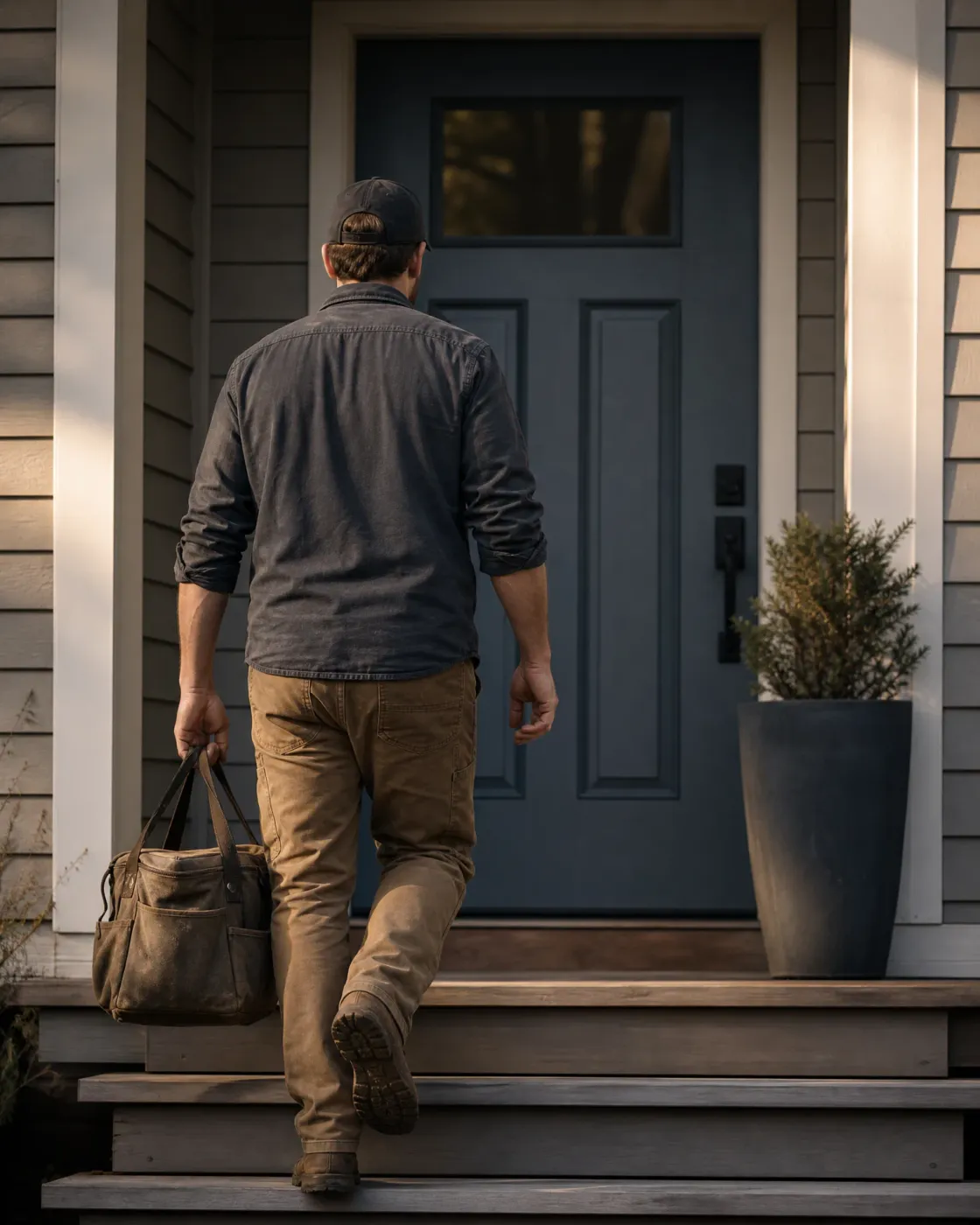
A man in a cap, dark shirt and tan pants, seen from behind carrying a canvas bag, climbs wooden porch steps toward a blue front door beside a potted evergreen.
A gray residential gas furnace installed in an unfinished basement, connected to sheet-metal ductwork and PVC pipes.

Running Since October, and Not Done Yet

Eight months of heat means this furnace is on for most of the year it's in the house. Cerro Gordo County has seen 38 winter storms between 2015 and 2024, and every one of them means the furnace is running flat out while the weather does its worst outside. A machine working that many hours, in that kind of cold, wears parts down faster than one that only kicks on now and then. When it starts acting up, a tech needs to see what's actually worn before replacing anything. That's what makes the fix hold.

The Furnace Stops Keeping Up

Short cycling is a furnace that fires up, runs a few minutes, and shuts off before the house warms. A cracked heat exchanger, a dirty flame sensor or a bad limit switch can all cause it. Rooms that used to heat evenly now have a cold one, or the air coming out of the vents feels lukewarm instead of hot. A burner that should burn blue showing yellow or flickering flame means it isn't burning clean.

The Sounds and Smells Change

A furnace that's run fine for years and suddenly bangs, rattles or squeals is telling you a part has worked loose or is wearing out. A boom at startup usually means gas is building up before it ignites instead of lighting right away, and that one is worth shutting the system down and calling someone promptly. A burning smell that doesn't fade after the first run of the season, or any smell of gas, means stop using it and get it looked at before you turn it back on.

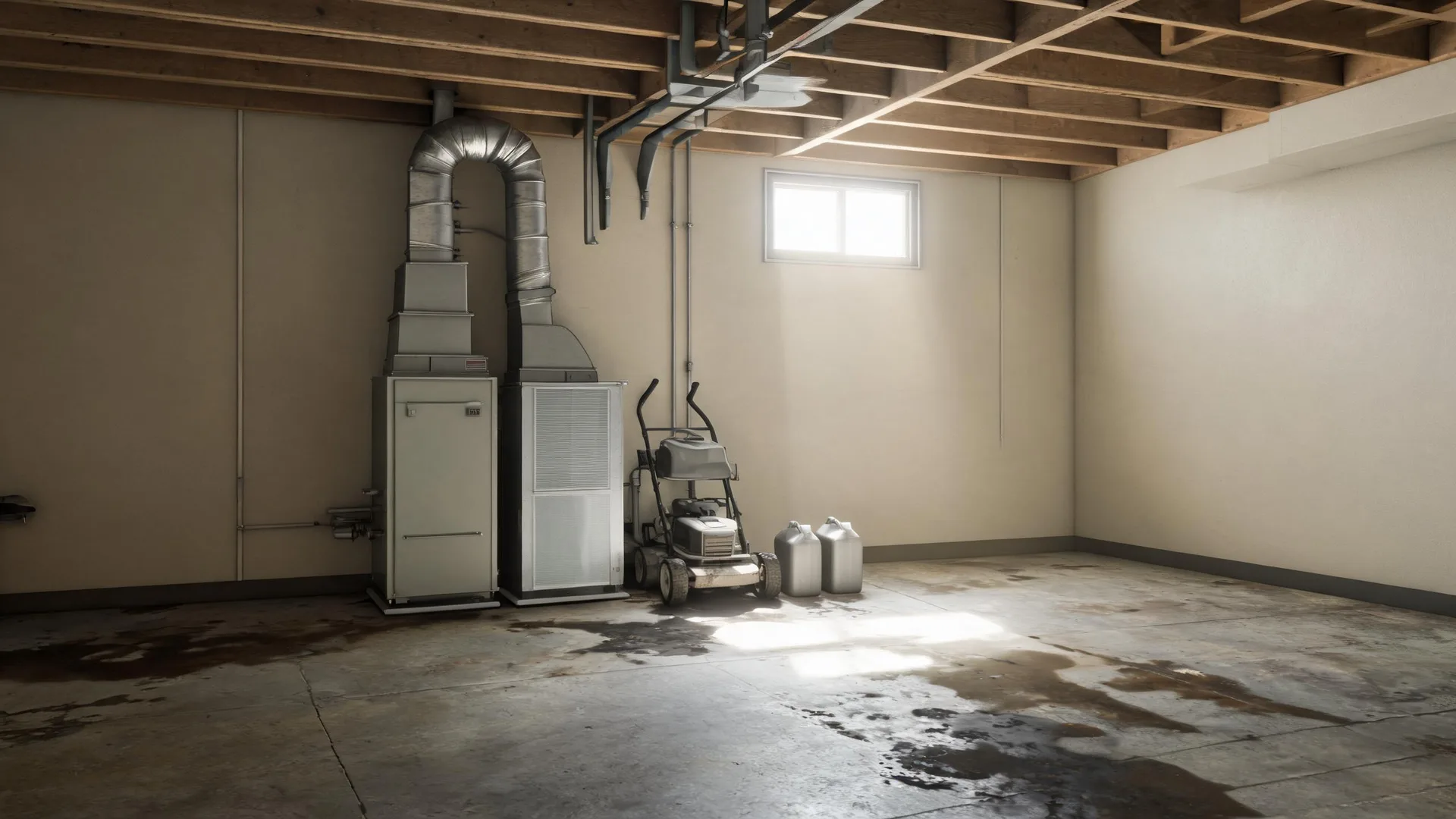
An unfinished basement containing a gas furnace with ductwork in the foreground and miscellaneous stored items along the far concrete wall.

A new furnace would cut about $120 a year off heating for a typical Cerro Gordo County home.

  • A new high-efficiency furnace$500 a year
  • An older furnace$620 a year

Estimates for a typical Cerro Gordo County home, compared with an older unit built to the previous federal minimum, from EIA household energy data, Iowa fuel prices and NOAA climate normals. Your home will differ.

Repair makes sense when one part has failed and the heat exchanger is sound.

Replacement makes sense when the heat exchanger is cracked or the furnace keeps needing parts.

A repair fixes the thing that broke. It doesn't tell you what's about to break next. A furnace is a set of parts aging together, and once one has failed from years of heat and wear, the ones next to it have been running the same years under the same strain. Some failures are isolated, a flame sensor gets a coating of oxidation and stops reading the flame, and cleaning or replacing it settles the matter for a long time. Others are a sign the whole unit is winding down: a cracked heat exchanger, a blower motor that's worn out its bearings, a control board that's failed once already. The honest question isn't just what broke, it's how many more parts in that furnace are the same age and worn the same amount. A tech who's already inside it can tell you which kind of repair you're looking at.