


An unfinished basement featuring a forced-air furnace, exposed wooden ceiling joists, bare concrete walls, and miscellaneous items including cardboard boxes and coiled cables on the floor.

Furnace Repair in Storm Lake, IA

Tell us about the job

Takes about a minute. No obligation.

RepairFurnace or heatingBuena Vista County, IA
Step 1 of 2

What ZIP code is the job in?

Furnaces around here run about eight months a year, October through May. That's most of the year spent cycling on and off to keep the house warm. Buena Vista County saw 31 winter storms between 2015 and 2024, the kind that push a furnace to run for days without much of a break. All that runtime adds up on the parts that start the furnace and keep it going, the igniter, the blower motor, the flame sensor. A furnace acting up here is usually just further along the same wear every furnace in this county sees. Worth having someone look at it before the next cold snap asks more of it than it can give.

8 months
October through May, your furnace is on duty
12°F
the average winter night it heats against
55%
of homes here heat with gas, so most furnaces here burn gas
31 winter storms
in ten years, the nights a failure hurts most
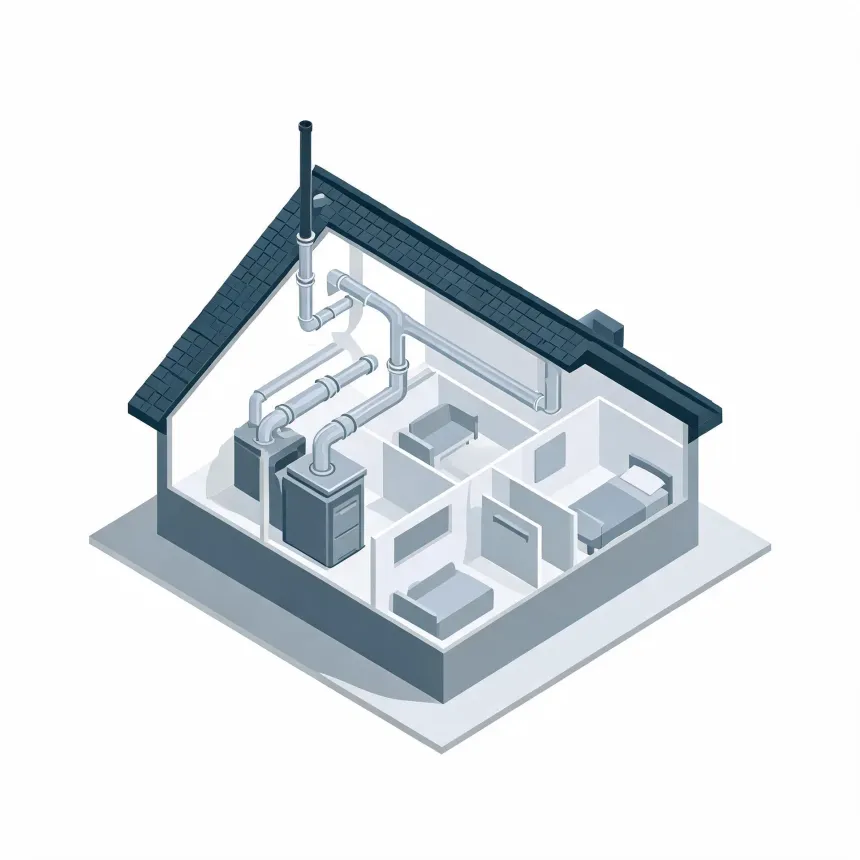
Isometric illustration of a cutaway house showing a furnace unit with ductwork and a flue pipe running through the interior rooms, which contain simple furniture.
Your furnace works hardest from November through March.

NOAA nClimDiv, 1991–2020 normals

Half the homes in Buena Vista County were built in 1964 or earlier.

A furnace in one of those houses has been asked to run for a long time, and repair might just be putting off the bigger question of how much life it has left.

The first cold snap finds the weak part first

Heat runs October through May
Winter nights average 12°F
31 winter storms from 2015 to 2024

If your furnace came with a house built decades back, ask the technician how old the unit itself is before you pay for the repair. Houses change hands and get new furnaces along the way, so the house's age doesn't tell you the furnace's age. What it tells you is that it's worth checking. A repair bill on a furnace installed a few years ago is a different decision than the same bill on one that's been running since the house last sold. Get the age, then decide if the repair is worth it or if you're better off planning for a new system.

Get it looked at before the next cold snap finds out what else is worn

Whatever's acting up, it's likely wear that's been building for a while, not a one-time fluke. A proper diagnosis finds the actual part behind it, so the fix holds instead of just masking the symptom for a few weeks.

Find a contractor
A gray high-efficiency gas furnace installed in an unfinished basement, surrounded by gas lines, a condensate drain, and sheet-metal ductwork.

What to check before you pick up the phone

Before anyone comes out, check the thermostat is set to heat and the setting is actually above room temperature. Look at the filter. A filter clogged with dust chokes airflow, and some furnaces will shut themselves down rather than run with the blower starved for air. Check the furnace switch, the one that looks like a light switch on or near the unit, and make sure it hasn't been bumped off. Check the breaker it runs on. If the furnace has a standing pilot, see if the pilot light is actually lit. If it uses an igniter instead, listen for a click and a whoosh when it calls for heat. No whoosh usually means the gas isn't lighting even if the igniter is glowing. Check that the vents in each room are open and not blocked by furniture or rugs, since closed vents make the system work against itself. Look at the exhaust vent outside and make sure nothing is blocking it. If the air coming out feels cool rather than warm, that's worth mentioning when you call, since it points away from the blower and toward the gas valve or ignition itself.

A small problem can turn into a bigger one fast

A cracked heat exchanger stays a quiet problem until the furnace keeps firing and the crack grows with every heat cycle. A flame sensor coated in a little residue might still sense the flame, barely, until a few more run cycles foul it enough that the furnace shuts down completely. Parts under stress don't hold steady. They get worse the more they're asked to do the same job.

Running it anyway can cost you more than the original fix

A blower motor straining against a clogged filter heats up more than it should, and that heat wears the windings down well before their time. An ignitor that's starting to fail still lights the furnace most of the time, right up until the day it doesn't, usually on the coldest morning. Shutting the furnace down and calling someone when you first notice the problem is cheaper than waiting for it to take other parts down with it.

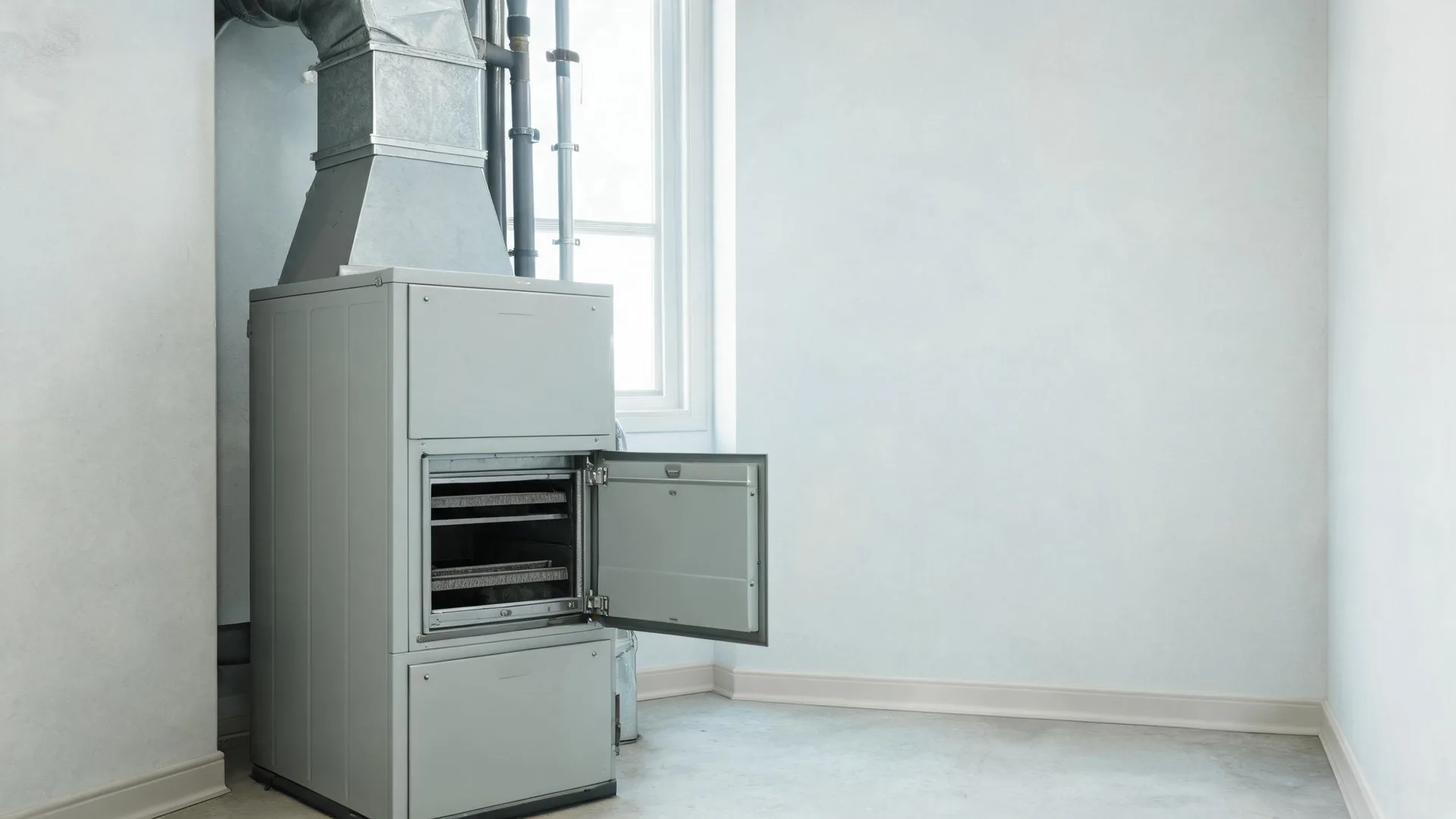
A gray forced-air furnace with metal ductwork stands in an unfinished basement with exposed wooden joists, concrete walls, and a single hanging light bulb.

A new furnace would cut about $120 a year off heating for a typical Buena Vista County home.

  • A new high-efficiency furnace$480 a year
  • An older furnace$600 a year

Estimates for a typical Buena Vista County home, compared with an older unit built to the previous federal minimum, from EIA household energy data, Iowa fuel prices and NOAA climate normals. Your home will differ.

Repair makes sense when one part has failed and the heat exchanger is sound.

Replacement makes sense when the heat exchanger is cracked or the furnace keeps needing parts.

A diagnostic visit starts before any panel comes off. The technician asks what the furnace was doing, when it started, and what you've already checked, since that narrows down where to look first. Then the panels come off and the technician watches it run through a full cycle, start to finish, because some problems only show up at ignition and others only show up once the blower has been running a few minutes. Along the way they'll test the flame sensor, check the igniter's resistance, look at the pressure switch, and inspect the heat exchanger for cracks or corrosion. They'll pull the filter and look at the ductwork for anything restricting airflow, since a furnace that's struggling to breathe will fail in ways that look like other problems. The point of all this is to find the actual part behind the symptom, not just the first thing that looks worn.