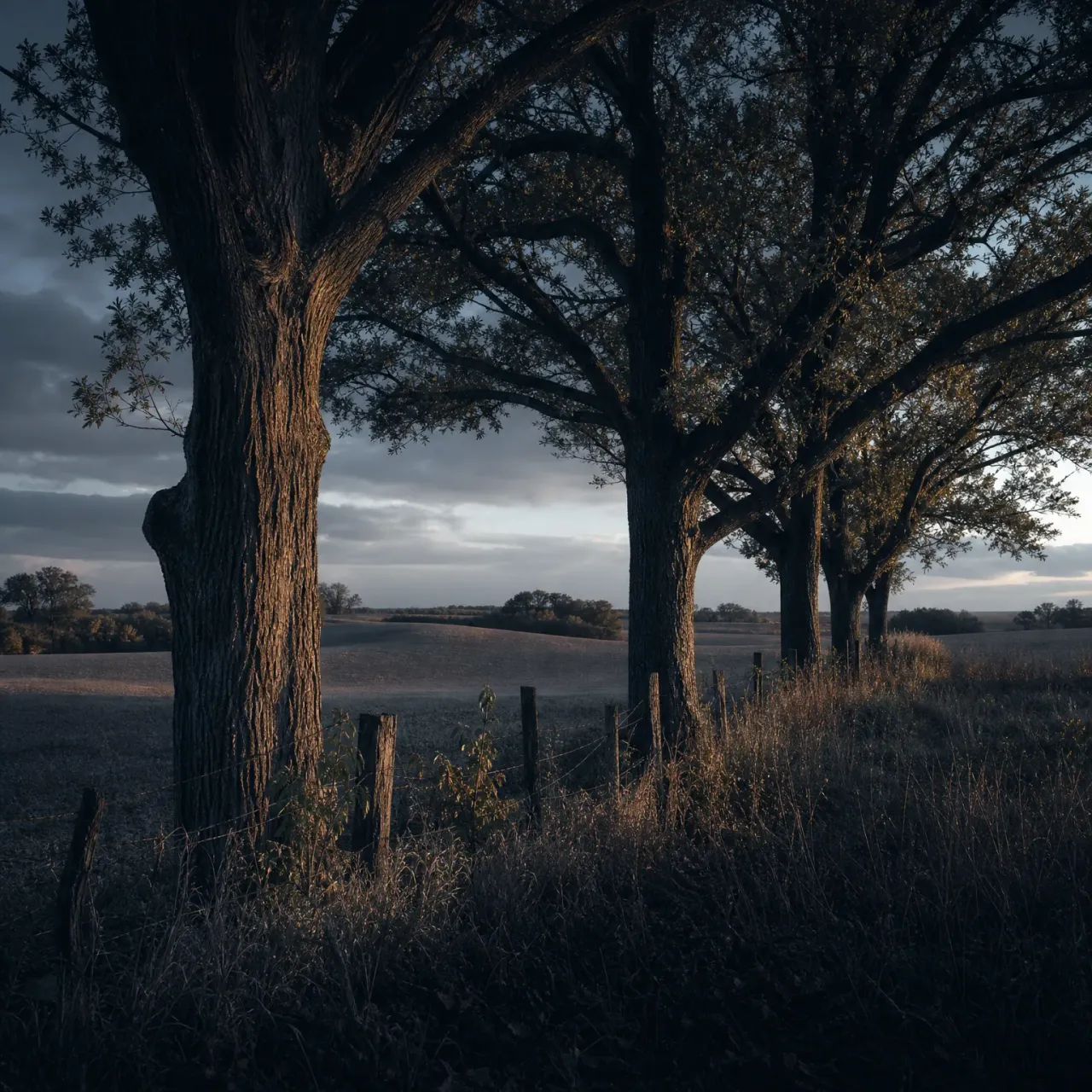
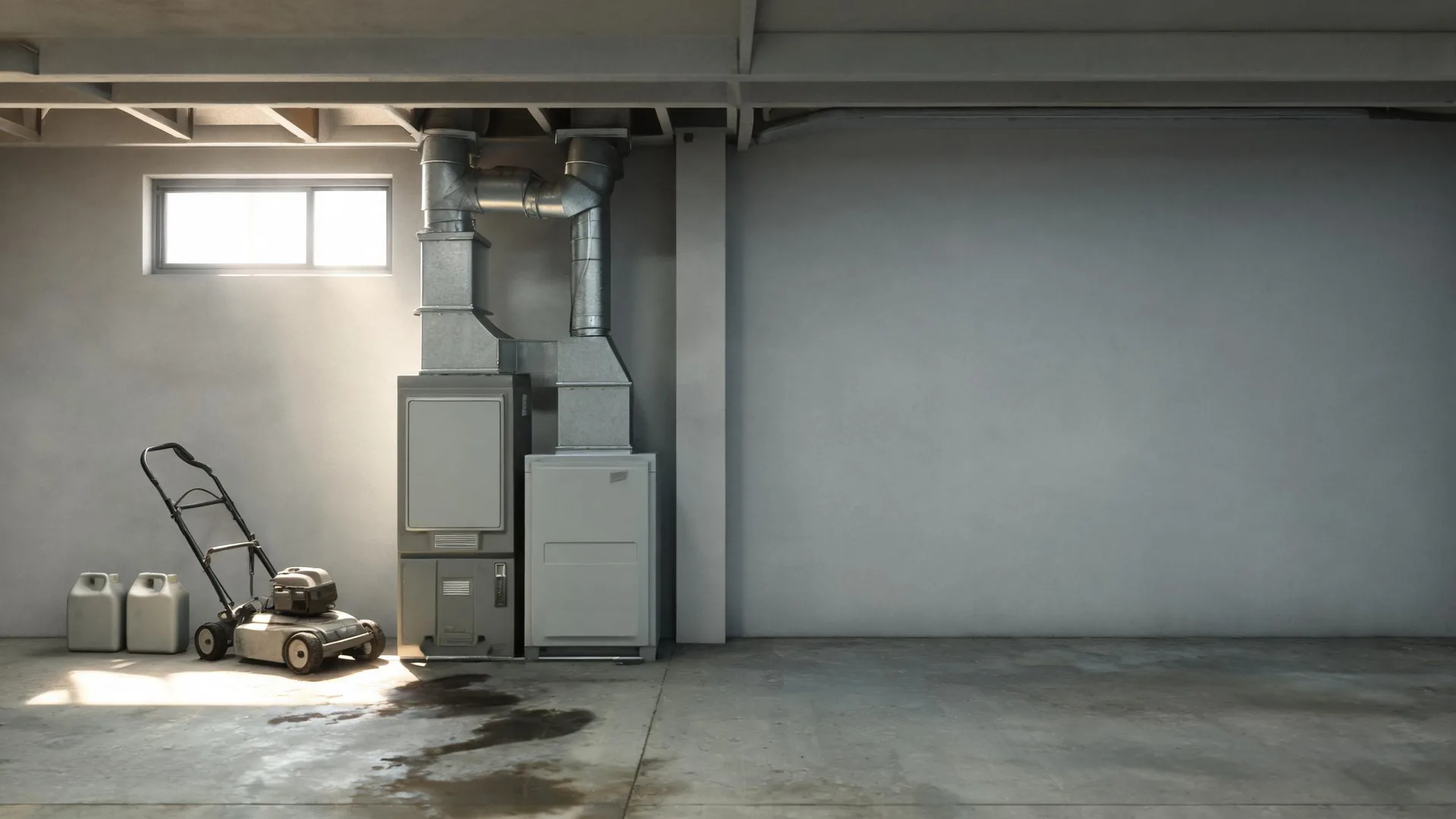
A gray forced-air furnace with ductwork stands in an unfinished concrete basement surrounded by storage items and clutter.

Furnace Repair in Vinton, IA

Tell us about the job

Takes about a minute. No obligation.

RepairFurnace or heatingBenton County, IA
Step 1 of 2

What ZIP code is the job in?

Half the homes here were built in 1964 or earlier

Benton County's housing is old. Half the homes were built in 1964 or earlier. A furnace doesn't last as long as the house around it, but if yours has never been replaced, it's carrying more years than it should.


An old furnace changes the math on a repair

A furnace this old can still be fixed, but the part that fails next might cost more than the one failing now. Before paying for this repair, ask the technician how many years the unit has left in it.

8 months
October through May, your furnace is on duty
14°F
the average winter night it heats against
55%
of homes here heat with gas, so most furnaces here burn gas
23 winter storms
in ten years, the nights a failure hurts most
Isometric cutaway illustration of a small house showing a furnace unit connected to ductwork and a vertical flue pipe extending through the dark shingled roof, with sparse furniture in the rooms.
Your furnace works hardest from November through March.

NOAA nClimDiv, 1991–2020 normals

Most furnace failures trace back to one worn part, not the whole system giving out.

Find which part failed before deciding whether this repair is worth paying for.

Eight months of heat a year is a long season for any furnace

Heat runs October through May
Winter nights average 14°F
Climate zone 5A
Fall is when a weak furnace gives outHeat starts in October here. Whatever was already weak gets found in the first cold snap.

A furnace rarely fails all at once. It wears down one part at a time, and the igniter or the flame sensor usually goes before the heat exchanger does. So the question with any repair is what's actually broken, and what that part's failure says about the rest of the unit. A cracked heat exchanger means the whole thing is done, no matter how well the blower still runs. A bad flame sensor means an afternoon's work and years of life left. The technician should be able to tell you which kind of failure this is, and why, before you agree to pay for the fix.

Get the repair, but get the lifespan number too

Ask the technician how many years are left in this unit before you agree to the repair. If the furnace came with the house, that answer matters more than the price of the part.

Find a contractor
A man in a cap, dark long-sleeve shirt and dirty work pants walks up wooden steps toward a dark gray front door, carrying a canvas tool bag in his right hand, with a potted shrub beside the entry.
A gray high-efficiency gas furnace installed in an unfinished basement, surrounded by gas lines, a condensate drain, and sheet-metal ductwork.

This furnace has been running longer than most

Eight months of running time adds up fast. A furnace that starts in October and doesn't shut off until May is heating this house more than most furnaces in this country ever have to. Every one of those months puts hours on the igniter, the blower motor, the flame sensor. When a part finally gives out, that history is worth knowing. A technician who sees the age and the run time can usually tell you whether this repair is a quick fix or the first sign of more to come.

Check the thermostat and the power first

Make sure the thermostat is set to heat and the temperature is above room temperature, not just holding steady. Check that the furnace switch, the one that looks like a light switch near the unit, is on, and that the breaker hasn't tripped. Some thermostats run on batteries, and a dead one will stop the whole system cold.

Check the filter and the vents before calling

Pull the filter and hold it up to a light. If you can't see light through it, it's choking off airflow and the furnace may be shutting itself off to protect the heat exchanger. Walk the house and check that no vents or returns are blocked by furniture or rugs. These two things cause a real share of no-heat calls, and both are things you can fix yourself in a few minutes.

An unfinished basement containing a forced-air furnace with metal ductwork, exposed wooden ceiling joists, a hanging Edison bulb, and bare concrete floors.

A new furnace would cut about $110 a year off heating for a typical Benton County home.

  • A new high-efficiency furnace$460 a year
  • An older furnace$570 a year

Estimates for a typical Benton County home, compared with an older unit built to the previous federal minimum, from EIA household energy data, Iowa fuel prices and NOAA climate normals. Your home will differ.

Repair makes sense when one part has failed and the heat exchanger is sound.

Replacement makes sense when the heat exchanger is cracked or the furnace keeps needing parts.

A diagnostic visit starts before any panel comes off. The technician asks what the furnace was doing before it quit, short cycling, blowing cold air, not starting at all, because that tells them where to look first. Then they pull the panel and watch it try to run through a full cycle, since some problems only show up partway through, like an igniter that glows but doesn't catch, or a blower that kicks on and then cuts out. They'll test the flame sensor, check for a steady spark or glow at the igniter, and look at the heat exchanger for cracks or scorch marks. Most of this is testing one part at a time until something fails the test. By the end, the technician should be able to point to the one part that's causing the trouble and tell you what it means for the rest of the unit.