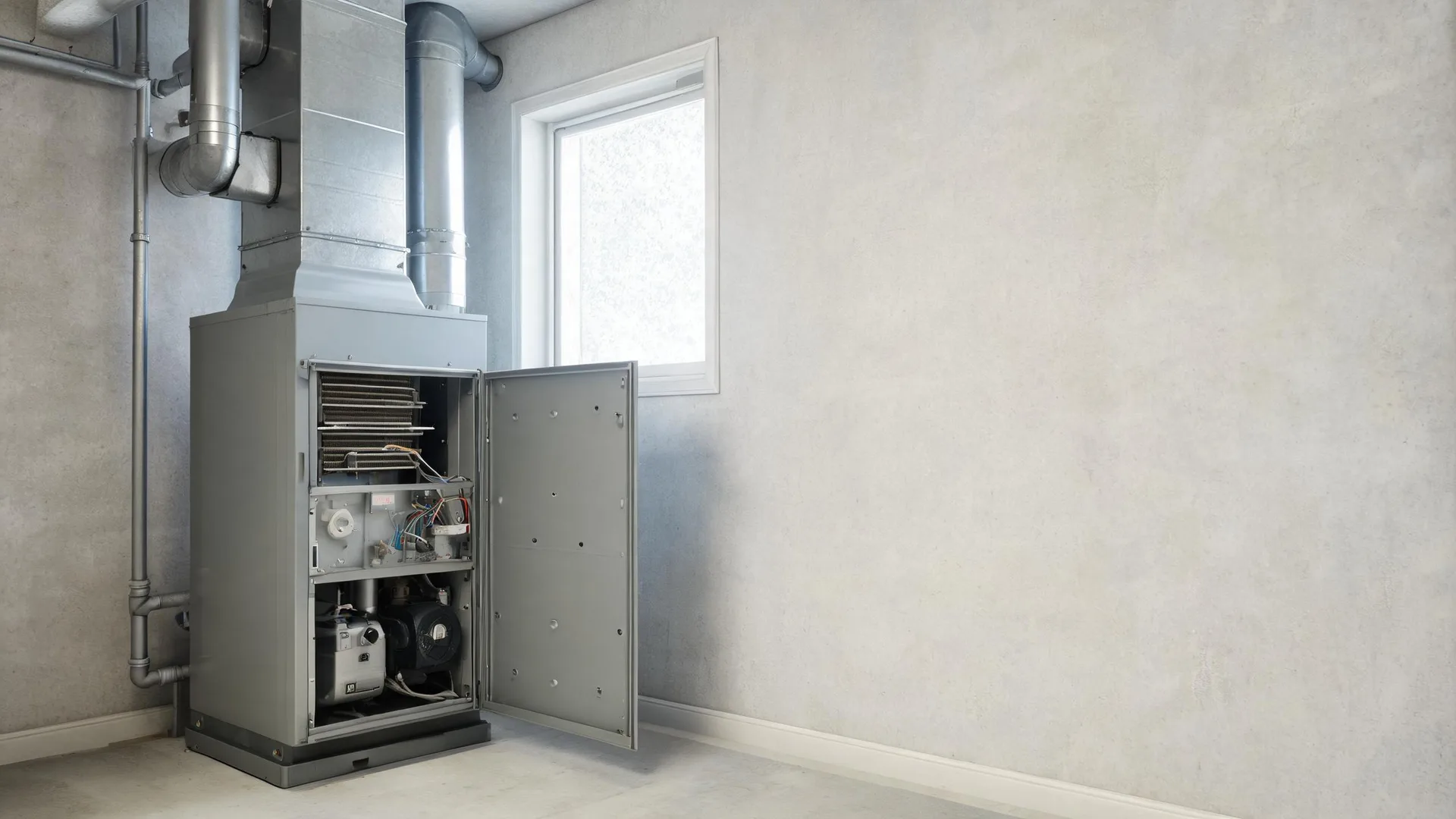
Eight months of work a year
A furnace in Dallas County runs from October through May. That's most of the year asking the igniter, the blower motor and the heat exchanger to cycle on and off, day after day.
Takes about a minute. No obligation.
A furnace in Dallas County runs from October through May. That's most of the year asking the igniter, the blower motor and the heat exchanger to cycle on and off, day after day.
That much runtime means components reach their limit earlier than they would somewhere with a short winter. A furnace acting up in a house like yours is often just worn out ahead of schedule, not installed wrong or sized wrong.
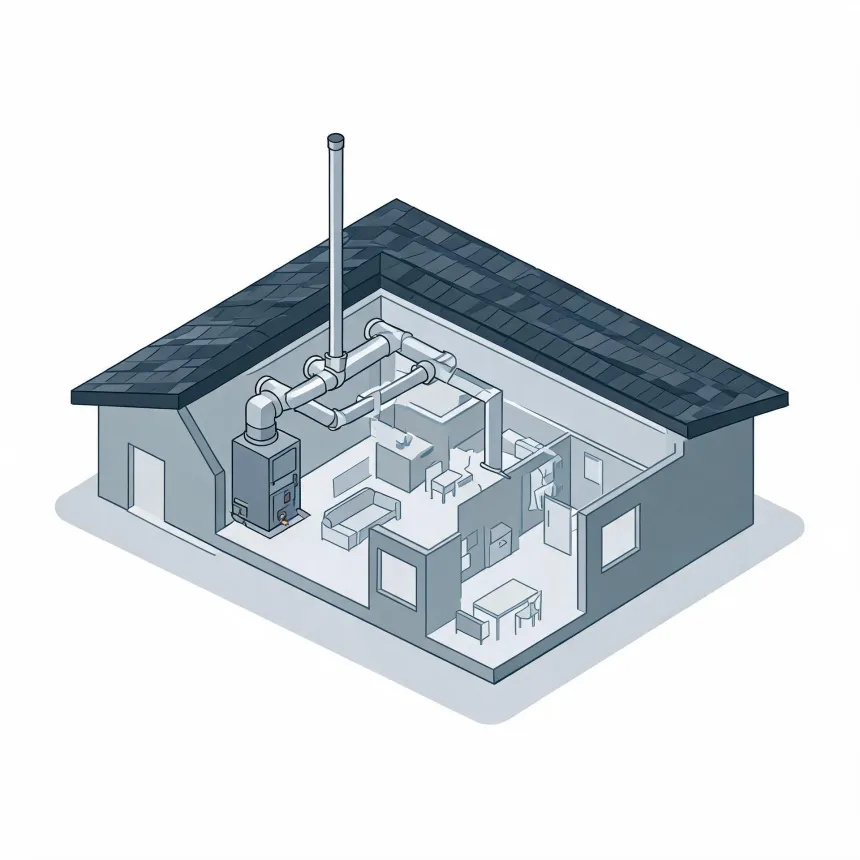
NOAA nClimDiv, 1991–2020 normals
A cracked heat exchanger gets worse every time the burners fire.
Shutting the furnace off and calling for repair stops that crack from spreading.



If your furnace came with the house, repair is worth doing. Half the homes in Dallas County were built in 2006 or later, which puts a lot of furnaces well inside their working life even after a hard winter or two. A control board or an igniter failing on a system that age is usually a single bad part, not a sign the whole unit is done. Worn parts get replaced, the furnace keeps running, and you're not paying for equipment you didn't need yet. Have the repair done and ask whoever comes out how the rest of the system looks while they're in there.
Eight months of heating a year catches up with a furnace eventually. A worn igniter or a blower motor on its way out rarely fixes itself. Get it looked at and know what you're dealing with.
Find a contractor
Before you call, check the thermostat is set to heat and the temperature is set above room temperature. Make sure the batteries aren't dead if it's a battery model. Go to the breaker box and check the breaker for the furnace hasn't tripped. Check the filter. A filter clogged with dust chokes airflow, and a lot of furnaces will shut themselves down rather than run with a blocked filter. If you have a furnace with a standing pilot, look in the little window near the bottom and see if the pilot light is lit. If it's out, most units have a reset button or a simple relight procedure printed right on the access panel. Check that the switch on the side of the furnace, the one that looks like a light switch, hasn't been bumped off. It's easy to mistake for a wall switch and flip without thinking. Look at the furnace door itself. Most furnaces have a safety switch that keeps them from running unless the access panel is fully seated and latched. If the door's loose or off, that alone will stop it from firing. Listen for what it's doing when you turn the heat up. A furnace that hums but doesn't light, or clicks several times and gives up, is trying to start and failing partway through, and that's worth telling the tech when they call. One thing not to do: if you smell gas, don't keep flipping switches or trying to relight anything. Leave the house and call the gas company from outside.
A furnace that shuts off a few minutes after lighting, then starts again, is usually tripping a safety switch partway through the cycle. A cracked flame sensor, a overheating limit switch or a blower not moving enough air can all cause this. Every one of those short cycles is another load on the igniter and the gas valve, so the problem tends to get worse the longer it runs this way.
Rattling, grinding or a metallic squeal from the blower usually means a bearing or the motor itself is going. Banging when the burners fire is often trapped gas igniting late, which points to a dirty burner or a weak igniter. Both are worth a call before the part fails outright, since a motor that seizes or a burner that keeps delayed-firing can take other parts with it.
Estimates for a typical Dallas County home, compared with an older unit built to the previous federal minimum, from EIA household energy data, Iowa fuel prices and NOAA climate normals. Your home will differ.
Repair makes sense when one part has failed and the heat exchanger is sound.
Replacement makes sense when the heat exchanger is cracked or the furnace keeps needing parts.
A repair is worth doing when the failure is one part, not the whole system. An igniter, a flame sensor, a draft inducer motor, a control board: any of these can fail on its own while everything else in the furnace is sound. Swapping that one part gets you a furnace that works the way it did before, for not much money. Replacement starts to make more sense when the heat exchanger is cracked, since that part isn't sold on its own and isn't worth forcing into an old unit. It also makes sense when the furnace is asking for a second or third repair within a short stretch, because that usually means other parts are reaching the end of their life around the same time, not that you got unlucky twice. A tech who's inside the unit can tell you which situation you're in, and that's worth asking about directly rather than guessing from the symptom alone.